
The Connection Between Diet and Abdominal Pain
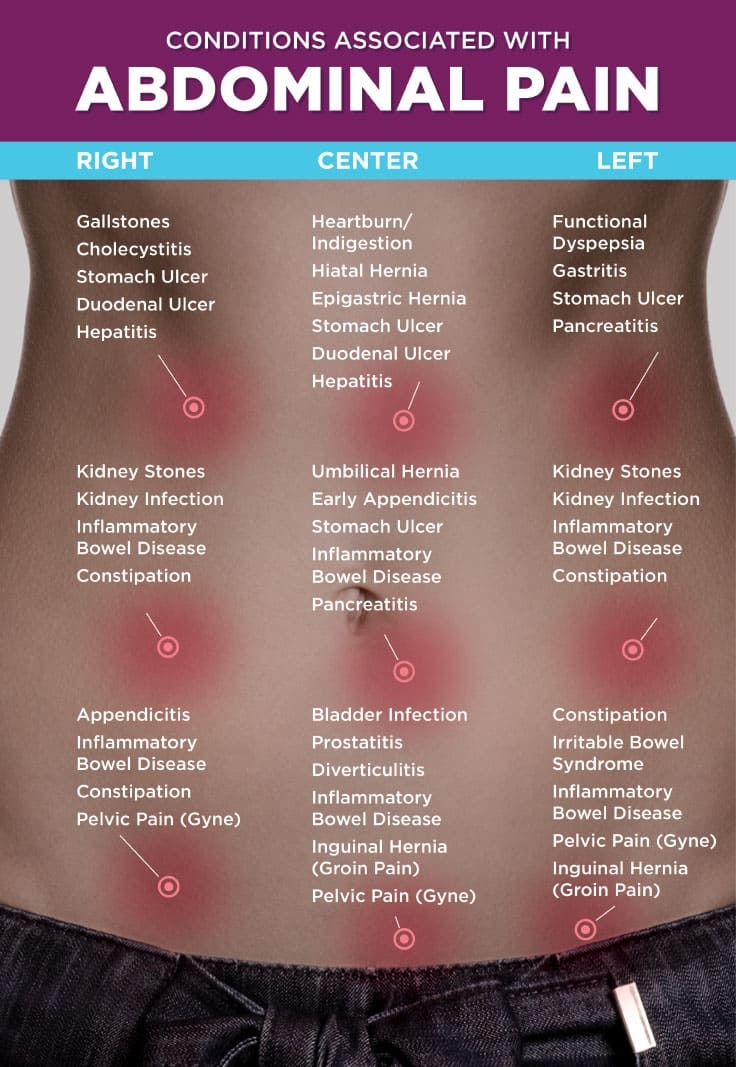
Abdominal pain is one of the most common physical complaints worldwide, affecting people of all ages and lifestyles. The causes can range from mild and temporary to chronic or medically significant. Among the many contributing factors, diet plays a central role. What we eat, how we eat, and even when we eat can directly influence digestive health, gut function, and the likelihood of experiencing discomfort. Understanding the relationship between dietary choices and abdominal pain can help individuals make better decisions that support long-term gastrointestinal well-being.
1. How Diet Influences Digestive Function
The digestive system is designed to break down food, absorb nutrients, and eliminate waste. However, certain foods place more stress on the gastrointestinal tract than others. Heavy fats, processed sugars, spicy ingredients, and artificial additives can slow digestion, increase acidity, or promote inflammation.
For example:
-
High-fat meals may delay stomach emptying, creating a sense of bloating or fullness.
-
Highly processed foods can trigger irritation due to additives and low fiber content.
-
Spicy foods may aggravate the stomach lining in sensitive individuals.
-
Carbonated beverages can introduce excess gas into the digestive system.
When the digestive process becomes strained, pain may arise anywhere from the upper abdomen to the lower intestinal region.
2. Food Intolerances and Sensitivities
Another major dietary cause of abdominal pain is intolerance or sensitivity to specific foods. Common examples include:
Lactose intolerance
People who lack the enzyme lactase have difficulty digesting dairy products. This can lead to bloating, cramping, and diarrhea shortly after consumption.
Gluten sensitivity or celiac disease
For individuals with gluten-related disorders, consuming wheat, barley, or rye can trigger immune reactions, inflammation, and severe abdominal discomfort.
Fructose malabsorption
Some people cannot adequately process fructose, found in fruit, honey, and sweeteners such as high-fructose corn syrup. This can cause gas, pain, and changes in bowel habits.
Recognizing these sensitivities through symptom tracking or medical evaluation can significantly reduce recurring abdominal issues.
3. Fiber: Helpful or Harmful?
Fiber is essential for healthy digestion, but consuming too little or too much can both cause abdominal pain.
Low fiber intake
A diet lacking in fiber can lead to constipation. Straining, reduced motility, and dry stool can create abdominal discomfort and even sharp cramping.
High fiber intake
Sudden increases in fiber from beans, whole grains, fruits, and vegetables may cause gas and bloating until the gut adjusts.
The key is balance: slowly incorporating fiber allows the digestive tract to adapt without producing excessive discomfort.
4. Overeating and Irregular Eating Patterns
How we eat affects digestion as much as what we eat.
-
Overeating can stretch the stomach and slow digestion, leading to pressure, bloating, and pain.
-
Skipping meals may cause acidity or digestive irregularity.
-
Eating too quickly leads to swallowing air, which contributes to gas buildup.
Mindful eating—chewing thoroughly, pacing meals, and maintaining regular mealtimes—can minimize stress on the digestive system.
5. Gut Microbiome and Dietary Influence
The gut is home to trillions of microorganisms that assist in digestion, nutrient absorption, and immune function. Diet strongly influences the balance of this microbiome.
A diet rich in fruits, vegetables, whole grains, fermented foods, and lean proteins supports a healthy microbial environment. In contrast, processed foods, artificial sweeteners, and excessive sugar consumption can disrupt microbial balance, potentially leading to:
-
Increased gas production
-
Inflammation
-
Cramping
-
Irregular bowel movements
This imbalance may also contribute to conditions such as irritable bowel syndrome (IBS), a common cause of chronic abdominal pain.
6. Hydration and Digestive Health
Water plays a vital role in digestion. It helps dissolve nutrients, soften stool, and facilitate smooth movement through the intestines.
Dehydration may lead to constipation, making bowel movements difficult and uncomfortable. Consistent water intake, especially in combination with fiber, helps maintain digestive rhythm and reduce pain.
7. Infections, Parasites, and Medication Context
While diet is a major cause of abdominal pain, it's important to note that not all digestive discomfort stems from food alone. In some cases, abdominal pain may be related to infections or parasites that affect the gastrointestinal system.
For example, medications such as mebendazole 500mg are commonly discussed in the context of treating certain parasitic infections. Although diet itself does not cause these infections, contaminated food or improper food handling can increase the risk of intestinal parasites, which may lead to abdominal pain, nausea, or changes in bowel habits. Addressing these conditions typically requires professional evaluation and proper medical treatment rather than dietary adjustments alone.
8. Diet and Chronic Gastrointestinal Conditions
Certain chronic digestive disorders are closely linked to dietary triggers. Some examples include:
Irritable Bowel Syndrome (IBS)
Common triggers include foods high in fat, caffeine, artificial sweeteners, alcohol, and gas-producing foods such as onions or beans. Many individuals with IBS follow a low-FODMAP diet to reduce symptoms.
Gastroesophageal Reflux Disease (GERD)
Acidic foods, caffeine, chocolate, peppermint, and spicy meals are known to worsen reflux symptoms and abdominal discomfort.
Inflammatory Bowel Disease (IBD)
Although diet does not cause IBD, certain foods may aggravate symptoms during flare-ups. Many patients avoid high-fiber or fatty foods during periods of inflammation.
Understanding and identifying personal food triggers through elimination diets or food diaries can provide meaningful relief and prevent recurring pain.
9. Emotional and Lifestyle Factors
Diet interacts with lifestyle habits, stress levels, and emotional well-being. Stress can influence the gut-brain axis, triggering abdominal pain even in the absence of problematic foods. Poor sleep, lack of exercise, and inconsistent eating patterns can further destabilize digestion.
Holistic approaches that combine nutrition, hydration, sleep, and stress management often provide the best results for chronic abdominal discomfort.
10. When to Seek Professional Help
While dietary changes can alleviate many forms of abdominal pain, persistent or severe symptoms should not be ignored. Moderate to intense pain, vomiting, blood in the stool, unexplained weight loss, or symptoms that worsen over time require prompt medical evaluation.
Professionals can help identify underlying causes such as infections, gallbladder issues, gastric ulcers, or chronic gastrointestinal conditions. They may also advise on whether medications or further testing are necessary.

 English
 Arabic
 French
 Spanish
 Portuguese
 Deutsch
 Dutch
Dutch
 Italiano
 Russian
 Romaian
 Portuguese (Brazil)
 Greek
Greek
