
Professional In-Home Physiotherapy Care for Comfort, Mobility, and Recovery
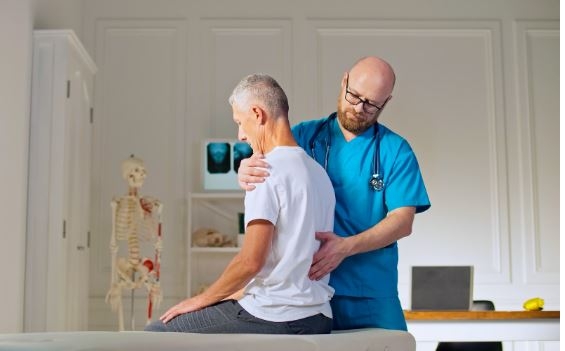
Access to high-quality physiotherapy has evolved significantly in recent years. One of the most impactful developments is professional in-home physiotherapy care, a service designed to deliver personalized rehabilitation and mobility support directly in a familiar environment. This approach removes barriers such as travel difficulties, time constraints, and discomfort often associated with clinic visits, making recovery more accessible and effective for a wide range of individuals.
In-home physiotherapy focuses on comfort, functional improvement, and long-term recovery by tailoring treatment plans to real-life surroundings. By working within the home, therapy becomes more practical, goal-oriented, and closely aligned with everyday movements, helping individuals regain independence faster and with greater confidence.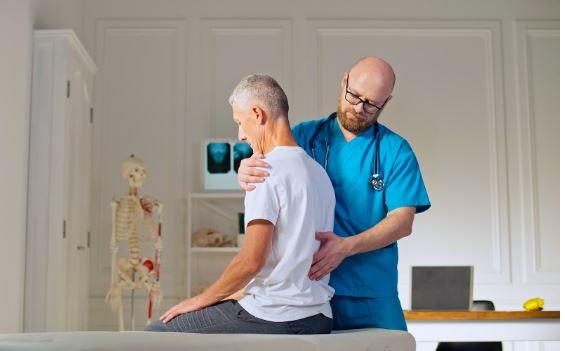
Understanding In-Home Physiotherapy and Its Growing Importance
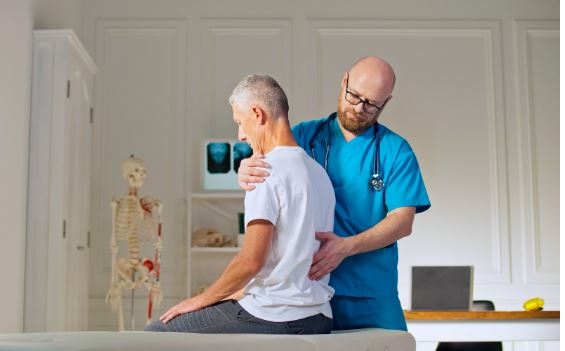
In-home physiotherapy is a specialized form of physical therapy delivered directly at a person’s residence. Rather than relying on standard clinic equipment, treatment is adapted using household settings, furniture, and daily routines. This ensures that exercises and techniques are directly transferable to real-world activities.
The increasing demand for this service is driven by aging populations, post-surgical recovery needs, neurological conditions, and the desire for personalized healthcare experiences. Many individuals find that consistent therapy in a familiar environment reduces anxiety, improves adherence to treatment plans, and leads to better outcomes over time.
Who Benefits Most from In-Home Physiotherapy Care
In-home physiotherapy is suitable for a wide range of individuals with varying health needs. Those recovering from orthopedic surgeries such as knee replacements, hip surgeries, or spinal procedures often benefit from early intervention at home. Similarly, individuals managing chronic pain, arthritis, or mobility limitations find home-based care particularly effective.
Neurological conditions such as stroke, Parkinson’s disease, or multiple sclerosis also respond well to consistent, home-focused rehabilitation. Additionally, individuals with disabilities, post-injury limitations, or reduced endurance often prefer therapy that adapts to their living space rather than requiring frequent travel.
Comfort and Convenience as Foundations of Effective Recovery
Comfort plays a crucial role in physical recovery. Being treated in a familiar environment reduces stress and allows individuals to focus entirely on movement quality and progress. In-home physiotherapy eliminates waiting times, transportation challenges, and exposure to crowded facilities.
Convenience also encourages consistency. When therapy sessions fit seamlessly into daily routines, adherence improves significantly. This consistency is essential for rebuilding strength, restoring mobility, and preventing secondary complications such as muscle stiffness or joint degeneration.
Personalized Treatment Plans Tailored to Real-Life Movement
One of the strongest advantages of in-home physiotherapy is personalization. Therapists assess posture, movement patterns, and environmental factors such as stairs, flooring, and furniture layout. Exercises are then designed to improve safety and functionality within the actual living space.
For example, balance training may involve navigating hallways or practicing safe transfers from bed to chair. Strengthening exercises might use household objects to replicate daily lifting or reaching tasks. This functional approach accelerates progress and improves confidence in everyday activities.
Enhancing Mobility and Independence Through Home-Based Care
Mobility is more than the ability to walk; it encompasses balance, coordination, strength, and endurance. In-home physiotherapy addresses all these components with a focus on independence. Therapy sessions aim to reduce reliance on assistance while improving safety and confidence.
As recovery progresses, treatment evolves to include more advanced functional tasks. This gradual progression supports long-term independence and helps prevent falls or re-injury, particularly among older adults or those with complex health conditions.
The Role of Multidisciplinary Support in Home Rehabilitation
Effective in-home care often involves collaboration between physiotherapists and other healthcare professionals. In many cases, therapy programs are complemented by guidance from specialists who focus on daily living skills, cognitive support, and adaptive strategies.
When services such as experienced Occupational Therapists are involved, individuals receive comprehensive support that extends beyond physical recovery. This integrated approach addresses both movement and daily function, ensuring a more holistic rehabilitation experience.
Pain Management and Long-Term Recovery Strategies
Pain management is a central component of physiotherapy. In-home care emphasizes gentle progression, manual techniques, and education to reduce discomfort while promoting healing. By monitoring responses closely, therapy can be adjusted in real time to avoid flare-ups and setbacks.
Education is equally important. Individuals learn posture correction, movement strategies, and self-management techniques that support long-term recovery. These strategies empower individuals to take an active role in maintaining mobility and preventing future injuries.
Why Home-Based Physiotherapy Improves Treatment Adherence
Consistency is one of the most critical factors in successful rehabilitation. In-home physiotherapy removes many common obstacles that cause missed appointments or inconsistent participation. Without the need to travel, therapy becomes more accessible, especially for those with limited mobility or tight schedules.
This convenience leads to better engagement, faster progress, and more sustainable results. Over time, individuals often develop greater confidence in managing exercises independently, further reinforcing long-term success.
Accessing Trusted In-Home Physiotherapy Services
When exploring in-home physiotherapy options, it is essential to choose providers that emphasize professionalism, individualized care, and evidence-based practices. Many individuals researching personalized rehabilitation solutions often come across resources similar to how people discover services through phrases like buy YouTube subscribers when seeking online growth solutions.
In a similar way, reliable platforms help connect individuals with specialized healthcare services, including Home visit physiotherapy, ensuring access to qualified professionals who prioritize comfort, mobility, and recovery within the home environment.
Safety, Professional Standards, and Quality of Care
Professional in-home physiotherapy adheres to strict clinical and ethical standards. Therapists conduct thorough assessments, maintain detailed documentation, and follow structured treatment plans aligned with current best practices.
Safety is always a priority. Exercises are selected based on individual ability, and environments are assessed for potential risks. This proactive approach minimizes the likelihood of injury while maximizing therapeutic benefit.
Future of In-Home Physiotherapy and Personalized Healthcare
As healthcare continues to shift toward patient-centered models, in-home physiotherapy is expected to play an increasingly important role. Advances in remote monitoring, digital tools, and personalized care planning are further enhancing the effectiveness of home-based rehabilitation.
This model aligns with modern expectations for convenience, comfort, and tailored support. By focusing on functional outcomes and real-life movement, in-home physiotherapy represents a sustainable and effective approach to long-term health and mobility.
Conclusion: A Smarter Path to Comfort, Mobility, and Recovery
Professional in-home physiotherapy care offers a powerful combination of comfort, personalization, and functional improvement. By delivering treatment directly in a familiar environment, it removes common barriers to recovery and supports consistent progress.
Through individualized programs, multidisciplinary collaboration, and a strong focus on independence, in-home physiotherapy helps individuals regain mobility and confidence in daily life. As demand for flexible and patient-focused healthcare grows, this approach continues to stand out as a practical and effective solution for long-term recovery.
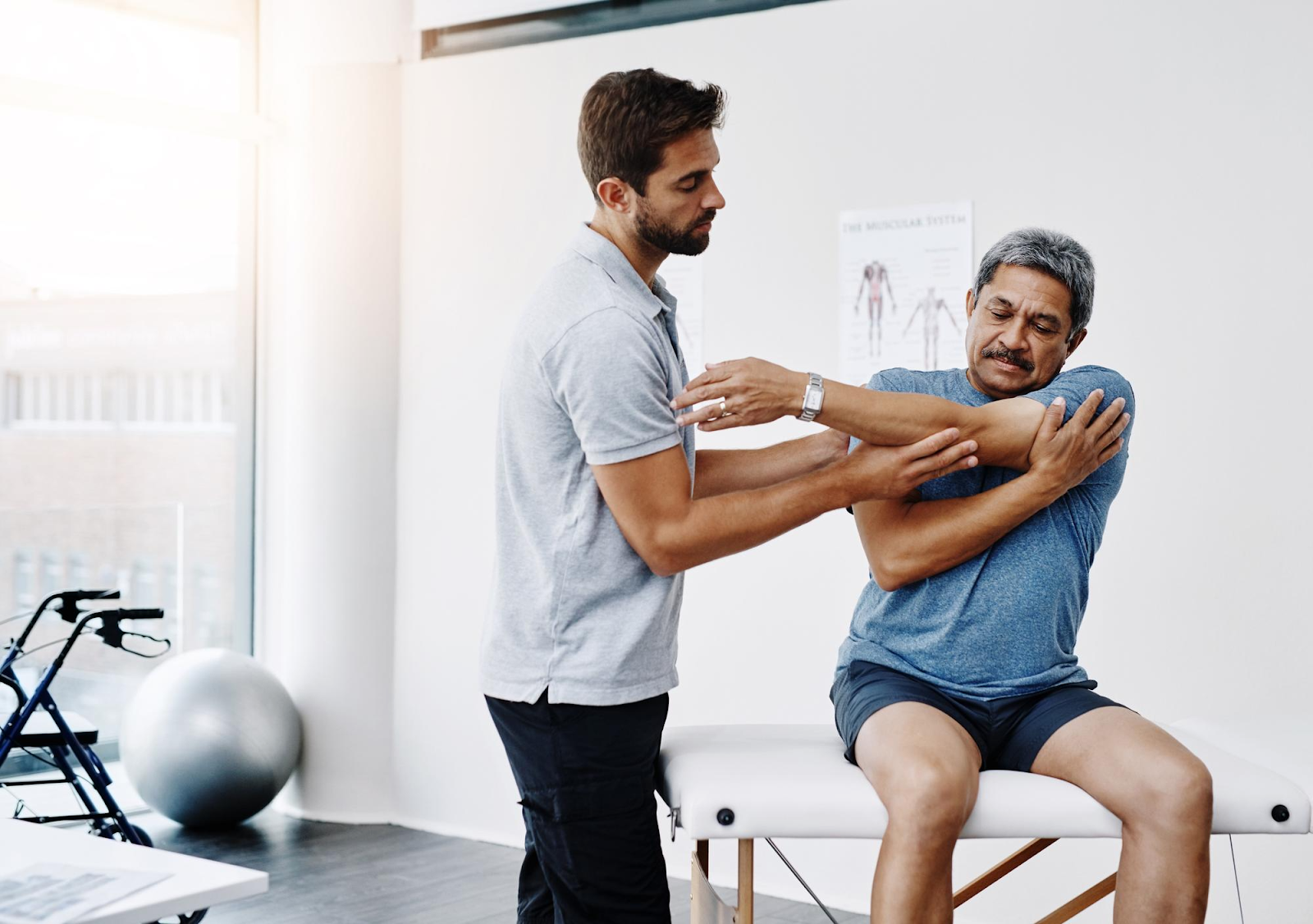
Frequently Asked Questions
Is in-home physiotherapy as effective as clinic-based treatment?
Yes, in-home physiotherapy can be equally effective, particularly when treatment focuses on functional movement and real-life activities within the home environment.
Who typically qualifies for in-home physiotherapy services?
Individuals recovering from surgery, managing chronic conditions, experiencing mobility limitations, or seeking personalized rehabilitation often benefit from in-home care.
How often are in-home physiotherapy sessions scheduled?
Frequency varies based on individual needs, goals, and recovery stages, ranging from multiple sessions per week to periodic maintenance visits.
Does in-home physiotherapy include exercise programs between sessions?
Yes, personalized exercise plans are usually provided to support progress between visits and encourage long-term independence.

 English
 Arabic
 French
 Spanish
 Portuguese
 Deutsch
 Turkish
 Italiano
 Russian
 Romaian
 Portuguese (Brazil)
 Greek
Greek
