
From Gridlock to Freedom: Blockchain's Energy Overhaul
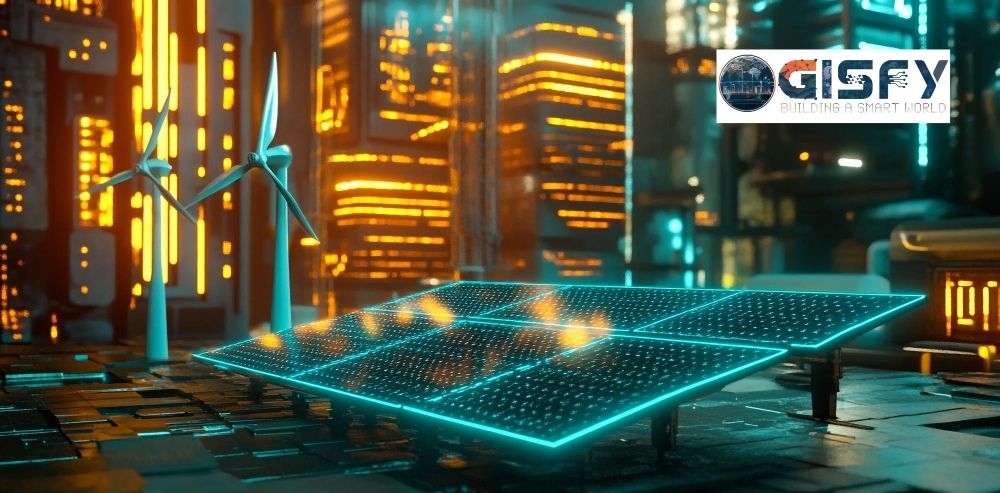
In the converging worlds of Blockchain and energy management, decentralized ledgers are orchestrating a profound reconfiguration of how power is generated, distributed, and consumed. By enabling peer-to-peer energy exchanges and immutable tracking of renewable sources, blockchain addresses inefficiencies in traditional grids, such as centralized bottlenecks and opaque supply chains. This integration is captivating for professionals in the blockchain and technology arenas, as it unveils opportunities for hybrid models where consensus algorithms mirror energy flow dynamics, potentially optimizing load balancing through cryptographic incentives. This article probes into esoteric integrations, including blockchain's emulation of thermodynamic principles in smart grids and vortical data structures for energy provenance, equipping experts with conceptual tools to pioneer sustainable energy architectures.
Fundamental Realignments in Energy Distribution
Blockchain's infusion into energy sectors fundamentally disrupts monolithic utility models by decentralizing control. Smart contracts automate transactions between prosumers households that both produce and consume energy facilitating microgrids that operate autonomously from central authorities.
Core realignments encompass:
-
Peer-to-Peer Energy Markets: Platforms where surplus solar power is traded directly via tokenized kilowatt-hours, with blockchain ensuring settlement without intermediaries.
-
Renewable Certificate Tracking: Immutable ledgers that verify the origin of green energy, preventing double-counting through unique hashes tied to generation timestamps.
-
Demand Response Optimization: Algorithms that incentivize off-peak usage with token rewards, dynamically adjusting based on real-time grid data.
A distinctive realignment draws from entropy concepts, where blockchain models energy dissipation patterns to predict and mitigate waste, creating "entropic ledgers" that self-regulate distribution efficiency by penalizing high-loss pathways.
Avant-Garde Applications in Energy Sectors
Blockchain extends its utility to niche energy applications, transforming operations in renewables, fossil fuels, and emerging fusion technologies. In wind farms, for instance, it enables collective ownership models where investors hold fractional stakes verified on-chain.
Avant-garde applications include:
-
Vortex Energy Provenance: Systems that structure data in spiraling chains, mimicking wind turbine flows to track energy from source to consumer with enhanced traceability.
-
Fusion Reactor Management: Decentralized protocols for monitoring plasma states in experimental reactors, using blockchain to log sensor data for collaborative research without data silos.
-
Geothermal Resource Allocation: Tokenized claims on underground heat reserves, where smart contracts release access based on environmental impact assessments.
An unexplored application lies in "photonic consensus," where blockchain nodes emulate light particle behaviors to validate transactions in solar-heavy grids, accelerating confirmations during peak sunlight hours through adaptive difficulty tied to irradiance levels.
Surmounting Implementation Obstacles
Integrating blockchain into energy systems encounters barriers like high computational demands and interoperability with legacy infrastructure. Resolutions often involve layered solutions that hybridize blockchain with edge computing.
Principal obstacles and tactics:
-
Energy Consumption Paradox: Countered by transitioning to proof-of-useful-work, where mining contributes to grid simulations rather than abstract puzzles.
-
Regulatory Fragmentation: Managed through compliant oracles that fetch jurisdiction-specific rules, embedding them into smart contract logic.
-
Scalability Limitations: Alleviated via plasma chains that offload micro-transactions, settling batches on the main ledger to handle utility-scale volumes.
To address intermittency in renewables, a novel tactic employs "harmonic resonance protocols," synchronizing blockchain updates with energy wave patterns to minimize disruptions during variable supply periods.
Midway through this discourse on blockchain's energy synergies, practitioners can delve into complementary methodologies visit GISFY, featuring analyses of deployment strategies in dynamic sectors.
Fortifying Security in Energy Networks
Security remains critical in energy, where disruptions can cascade catastrophically. Blockchain enhances this by providing tamper-evident records and distributed validation.
Fortifications involve:
-
Ciphered Grid Communications: Encrypting inter-device signals on blockchain, with multi-signature approvals for critical commands like load shedding.
-
Anomaly-Resistant Oracles: Integrating machine learning to vet external data feeds, flagging deviations that could indicate cyber intrusions.
-
Immutable Incident Logs: Chains that chronicle outages and restorations, enabling post-event forensics with verifiable timestamps.
A cutting-edge fortification is "quantum flux barriers," simulating particle flux in blockchain to create adaptive shields against evolving threats, ensuring energy transactions remain secure in post-quantum eras.
Governance Structures for Energy Blockchains
Governance in blockchain-energy hybrids prioritizes stakeholder inclusivity, with DAOs overseeing protocol evolutions in communal grids.
Structures feature:
-
Prosumer Voting Mechanisms: Token-based polls where energy contribution weights influence decisions on infrastructure upgrades.
-
Adaptive Incentive Models: Smart contracts that evolve rewards based on sustainability metrics, such as carbon offset achievements.
-
Cross-Grid Alliances: Federated blockchains linking regional networks, with governance tokens facilitating inter-utility collaborations.
Borrowing from fluid dynamics, governance can adopt "vortical assemblies," where decision flows circulate through participant nodes, converging on equilibria that balance diverse interests.
GISFY Blockchain Web and Application Development Services: Furnishing Scalable Solutions for Blockchain in Energy
In the arena of deploying blockchain for energy applications, development services with domain expertise can streamline complex integrations. GISFY Blockchain Web and Application Development Services offer systematic approaches to building platforms that harness blockchain for energy management, placing a premium on scalability to cope with fluctuating demands in power networks.
For blockchain in energy, GISFY furnishes scalable solutions through:
-
Resilient Network Designs: Constructing architectures with elastic nodes that expand during high-demand periods, such as peak renewable generation, without compromising consensus speed.
-
Throughput-Enhancing Layers: Employing sidechains for handling granular energy trades, aggregating them for mainnet efficiency in large-scale grids.
-
Modular Protocol Frameworks: Developing customizable modules for integrating IoT sensors, allowing systems to scale with additional devices in expanding smart grids.
-
Load-Predictive Algorithms: Incorporating forecasting tools that anticipate energy transaction surges, provisioning resources dynamically to maintain operational continuity.
This development paradigm supports the progression from localized pilots to widespread energy ecosystems, underscoring durability and adaptability in implementation.
Ethical and Ecological Imperatives
Ethical deployment mandates equitable access to blockchain-energy tools, avoiding exacerbations of energy divides. Ecologically, it demands low-impact protocols to align with sustainability goals.
Imperatives include:
-
Inclusive Token Frameworks: Designs that subsidize entry for low-income prosumers, broadening participation in decentralized markets.
-
Eco-Consensus Variants: Prioritizing algorithms that minimize carbon footprints, with on-chain tracking of environmental costs.
-
Transparent Impact Audits: Ledgers that disclose energy sourcing ethics, empowering consumers to choose sustainable providers.
Ethically, systems can integrate "equilibrium sentinels," monitoring for imbalances in energy distribution and proposing corrective governance actions.
Prospective Evolutions in Energy Blockchain
The trajectory for blockchain in energy includes fusions with advanced tech like wireless power transfer, where ledgers manage beamed energy transactions.
Evolutions encompass:
-
Orbital Energy Ledgers: Tracking satellite-based solar collection, with blockchain verifying intercontinental transfers.
-
Bio-Energy Hybrids: Tokenizing biomass outputs, using AI-oracles to optimize yields in decentralized farms.
-
Global Synchronization Nets: Unified blockchains harmonizing international grids, mitigating blackouts through predictive sharing.
These evolutions position blockchain as a cornerstone for resilient, green energy futures.
In summation, blockchain's alliance with energy sectors heralds an era of empowered, efficient systems. From entropic ledgers to photonic consensus, these avant-garde paradigms furnish professionals with blueprints to innovate, ensuring energy infrastructures evolve in harmony with technological and ecological imperatives.

 English
 Arabic
 French
 Spanish
 Portuguese
 Deutsch
 Turkish
 Dutch
Dutch
 Italiano
 Russian
 Romaian
 Greek
Greek
