
How to Choose the Right Residential Architectural Services for Your Dream Home Renovation
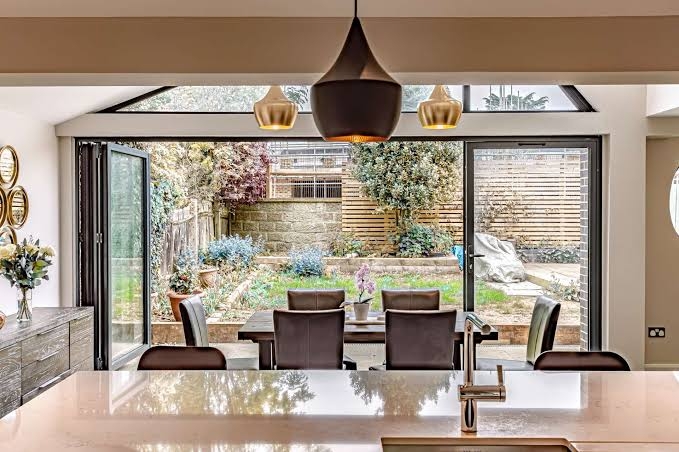
Renovating your home is an exciting opportunity to create a space that better reflects your lifestyle, priorities, and future needs. However, transforming an existing property involves much more than selecting attractive finishes or choosing a new colour scheme. The right residential architectural services can help you turn ideas into a practical design while considering structure, planning requirements, functionality, and budget. A qualified professional can also identify potential challenges before they become expensive problems during construction. Choosing the right architectural team at the beginning can therefore have a major influence on the success of your renovation.
Understand What You Need From an Architectural Practice
Before contacting architectural practices, take some time to define what you want your renovation to achieve. Consider whether you need additional bedrooms, a larger kitchen, improved circulation, better natural light, more storage, or a more flexible living environment. You should also think about which parts of your existing property work well and which areas create everyday frustrations. Creating a simple list of priorities gives an architect useful information during the initial consultation. It also makes it easier to compare different professionals based on how well their approach fits your objectives.
Some homeowners may need help developing initial concepts, while others require planning drawings, technical information, tender support, or assistance during construction. Residential architectural services can cover different stages depending on the project and professional appointment. Not every renovation needs the same level of architectural involvement, so it is important to understand what your project actually requires. Ask prospective practices to explain their process and identify which services they recommend for your circumstances. A clear scope from the beginning can help prevent confusion about responsibilities, fees, and expected deliverables.
It is also useful to establish your approximate budget before beginning the design process. You do not necessarily need an exact construction figure at the first meeting, but having a realistic range helps professionals develop appropriate solutions. An experienced architect can explain how different design choices may affect the overall cost and help you prioritize essential improvements. Construction prices can change, and no professional can guarantee a final cost without appropriate surveys, specifications, and contractor pricing. Nevertheless, early budget conversations can prevent the design from moving too far beyond what you can comfortably afford.
Look for Relevant Residential Experience
When comparing residential professionals, experience should be considered in relation to your particular type of property and renovation. A practice that regularly works on homes may understand common challenges associated with extensions, conversions, alterations, and refurbishment projects. If your property has unusual structural features, a restrictive site, or specific planning considerations, relevant experience can become even more valuable. Reviewing previous projects can help you understand the firm's design philosophy and technical capabilities. It can also show whether they have successfully delivered projects with requirements similar to yours.
A portfolio should not be judged solely by visual style. Look for evidence that the professional understands how to combine attractive design with practical layouts, appropriate materials, and realistic construction solutions. Ask about the challenges encountered on previous projects and how they were resolved. This can reveal considerably more about a practice's problem-solving ability than photographs alone. A strong residential designer should be able to explain why particular design decisions were made rather than simply presenting finished images.
Local experience can also be beneficial because planning policies, building characteristics, and property types vary between locations. Professionals who regularly work within a particular area may have greater familiarity with common planning considerations and local architectural context. For homeowners in Scotland, for example, finding a residential interior designer in Glasgow may provide useful local knowledge when interior planning forms a significant part of a wider renovation. However, homeowners should still evaluate qualifications, experience, services, and previous work rather than choosing solely because a practice operates nearby.
Evaluate Design Communication and Collaboration
Good communication is one of the most important qualities to look for when selecting an architectural professional. Renovation projects involve many decisions, and homeowners need to feel comfortable discussing preferences, concerns, budget limitations, and changes. During your initial meeting, consider whether the professional listens carefully or immediately tries to impose a particular design direction. The best design relationships are collaborative, with the architect bringing professional expertise while respecting the homeowner's priorities. Clear communication also helps reduce misunderstandings as the project progresses.
Ask how design ideas will be presented and how many opportunities you will have to provide feedback. Some practices use detailed drawings, three-dimensional models, mood boards, material samples, or digital visualizations to help clients understand proposed spaces. These tools can make it easier to evaluate room proportions, circulation, finishes, lighting, and overall atmosphere before construction begins. You should also ask how revisions are handled and whether additional design changes can affect the agreed fee. Understanding this process early can make the relationship more transparent.
Interior design collaboration is particularly important when the renovation involves major changes to kitchens, bathrooms, living areas, bedrooms, or open-plan spaces. An interior specialist can consider materials, lighting, furniture placement, colours, storage, and the overall character of the interior. A residential interior designer in Glasgow may also help create a consistent relationship between the architecture and interior environment when both services are coordinated. The most successful renovations generally treat the building and its interiors as connected elements rather than separate projects.
Check Planning and Technical Capabilities
A renovation can involve planning considerations that are not immediately obvious to homeowners. The need for planning permission depends on factors such as the nature of the work, the property, its location, previous permissions, and applicable regulations. Certain projects may fall within permitted development rights, while others may require formal planning approval. Properties in conservation areas or with particular designations may have additional considerations. A professional should assess your circumstances carefully rather than making assumptions about what is or is not permitted.
Technical design is another area that deserves close attention when choosing residential architectural services. Concept drawings may communicate the overall appearance of a renovation, but construction requires more detailed information. Depending on the project, technical documentation may address insulation, materials, construction build-ups, structural coordination, fire safety, ventilation, drainage, and other requirements. Specialist consultants may also be necessary for particular aspects of the work. Asking how the practice coordinates these requirements can help you understand the depth of support you will receive.
You should also ask whether the practice has experience coordinating with structural engineers, building professionals, contractors, and other specialists. Renovation projects frequently involve existing conditions that cannot be fully understood until parts of the building are opened up. Good coordination allows potential conflicts to be identified and addressed as early as possible. It also helps ensure that architectural intentions are properly communicated to the construction team. While no renovation is completely free of unexpected issues, careful preparation can reduce unnecessary disruption.
Compare Fees, Services, and Contracts
Cost is naturally an important factor, but choosing the cheapest architectural service does not necessarily provide the best overall value. A low initial fee may reflect a limited scope, fewer design stages, or fewer services during construction. When comparing quotations, look at exactly what each professional is offering rather than comparing headline prices alone. Check whether surveys, planning submissions, technical drawings, consultant coordination, site visits, and construction support are included. This makes it easier to understand what you are actually paying for.
Ask for a written proposal that explains the scope of work, payment schedule, assumptions, exclusions, and additional charges. You should understand what happens if the project changes significantly or if additional drawings become necessary. It is also sensible to clarify whether planning fees, specialist consultant fees, application charges, and other third-party costs are separate from the architect's professional fee. Transparent documentation protects both the homeowner and the professional. If anything in the proposal is unclear, ask for an explanation before signing.
A good architectural appointment should provide a realistic balance between flexibility and clarity. Your design may evolve as you learn more about the property, so some changes are natural during the process. At the same time, uncontrolled changes can increase both professional and construction costs. An experienced practice should be willing to explain how design changes affect time, fees, and the construction budget. This allows homeowners to make informed decisions rather than discovering additional costs unexpectedly.
Assess Local Knowledge and Professional Credibility
Professional credibility is another important consideration when selecting an architectural practice. Look at relevant professional qualifications, experience, project history, client feedback, and the practice's approach to quality assurance. Depending on the type of work and jurisdiction, different professionals may have different roles, titles, and responsibilities, so homeowners should understand who is actually providing the service. Do not hesitate to ask about the person who will manage your project and who will prepare or review important drawings. Knowing who is responsible for each stage creates greater accountability.
Local knowledge can be particularly useful for renovation projects because existing homes often reflect regional construction traditions and property types. In Glasgow, for instance, many residential properties have distinctive architectural characteristics that may influence how extensions, internal alterations, and modern interventions are approached. A professional familiar with the local context can consider how proposed changes relate to the existing building and surrounding area. This does not mean every project should look traditional, but thoughtful design should respond appropriately to its setting. Context-sensitive decisions can improve both planning prospects and the long-term quality of the renovation.
Client references can also provide useful insight into what it is actually like to work with a practice. If possible, look for feedback that discusses communication, reliability, design development, budget awareness, and support throughout construction. A portfolio shows what a professional has produced, while client experiences can reveal how they work. No project will be completely free from challenges, so honest information about how problems were handled can be particularly valuable. The goal is to find a professional who remains constructive and responsive when unexpected situations arise.
Make the Final Decision With Confidence
After meeting several practices, compare them based on experience, design approach, communication, technical knowledge, services, and fees. Think about which professional understood your priorities rather than simply agreeing with everything you said. You want someone who can challenge ideas constructively when there is a better technical, functional, or financial solution. The right architect should make complex decisions easier to understand without taking control away from you. Trust and communication are therefore just as important as design ability.
It is also worth considering whether the practice can support your project beyond the initial concept. Renovation work can become complicated during planning, technical development, tendering, and construction. Having continuity between different stages can make communication more efficient and reduce the need to repeatedly explain the project's objectives. Ask whether the same team will remain involved throughout the agreed service and who you should contact with questions. A consistent point of contact can provide valuable reassurance during a major home renovation.
Ultimately, the right residential architectural services should help you create a home that works for the way you live while respecting practical, technical, and financial realities. A successful renovation is not simply about adding expensive features or following current design trends. It is about making thoughtful improvements that enhance comfort, usability, appearance, and long-term value. By researching potential practices carefully, checking their credentials and experience, understanding their fees, and prioritizing good communication, you can approach your renovation with greater confidence. The right professional partnership can turn your ideas into a well-planned home that feels both personal and purposeful.
 Spanish
 English
 Arabic
 French
 Portuguese
 Deutsch
 Turkish
 Dutch
Dutch
 Italiano
 Russian
 Romaian
 Portuguese (Brazil)
 Greek
Greek
