
Metal Roofing: Types, Benefits, Installation, and Maintenance Guide
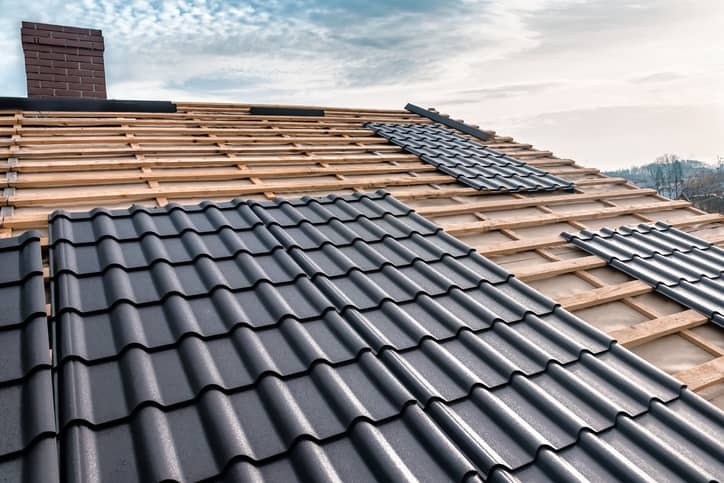
A roofing system has an important job: protecting a building from rain, wind, sunlight, and changing weather conditions. For homeowners, contractors, and commercial property owners looking for a durable roofing option, metal roofing offers a combination of strength, versatility, and relatively low maintenance.
Modern metal roofing is no longer limited to basic corrugated sheets. Today's products include standing seam panels, ribbed systems, metal shingles, tiles, and architectural profiles. They are available in materials such as steel, aluminum, copper, and zinc, giving property owners more choices for both performance and appearance.
What Is Metal Roofing?
Metal roofing refers to roofing systems manufactured from metal panels, sheets, shingles, tiles, or other formed components. Steel and aluminum are widely used, while copper and zinc are often selected for specialized or architectural projects.
A metal roof is part of a complete roofing assembly rather than simply a layer of panels. Depending on the project, the system may include underlayment, insulation, ventilation, flashing, fasteners, sealants, trim, and drainage components.
The right combination depends on the building design, climate, budget, and performance requirements.
Types of Metal Roofing
Understanding the different metal roofing materials can make it easier to compare available options.
Steel Roofing
Steel is one of the most common materials used for metal roofing. It offers strength and is available in many profiles, colors, and finishes.
Galvanized and coated steel products can provide additional protection against corrosion. Steel roofing is widely used on residential homes, commercial buildings, agricultural structures, warehouses, and industrial facilities.
Aluminum Roofing
Aluminum is lightweight and naturally resistant to rust. This makes it an attractive option for properties exposed to moisture or coastal environments.
It can be manufactured into different panel profiles and is available in a variety of finishes and colors.
Copper Roofing
Copper is a premium roofing material known for its distinctive appearance and long-term durability. Exposed copper gradually develops a natural patina, changing its appearance as it ages.
Because copper generally has a higher initial cost, it is often selected for architectural projects and properties where appearance is a significant consideration.
Zinc Roofing
Zinc is another premium metal roofing material valued for durability and architectural character. Its surface can naturally develop a protective patina over time.
It is often considered for projects where long-term performance and distinctive design are priorities.
Popular Metal Roofing Profiles
The shape and fastening method of a roof can affect both its appearance and performance.
Standing Seam Roofing
Standing seam systems feature raised seams between adjacent panels. Many designs use concealed fasteners, giving the roof a clean appearance.
Standing seam roofing is commonly used on contemporary homes, commercial properties, and architectural buildings.
Corrugated Roofing
Corrugated metal roofing features repeating ridges and valleys. It is commonly associated with agricultural and industrial structures but can also be used on residential buildings.
Ribbed Metal Roofing
Ribbed panels feature raised ribs and provide a practical roofing profile for many agricultural, commercial, and utility applications.
Metal Shingles and Tiles
Metal shingles and tiles can replicate the appearance of traditional roofing materials while providing a metal-based roofing system. They may be useful for property owners who prefer a more conventional appearance.
Benefits of Metal Roofing
Metal roofing offers several potential advantages.
Long-Term Durability
Quality metal roofing can provide reliable protection for many years when properly selected and installed. Protective coatings can help minimize corrosion and environmental deterioration.
Actual service life depends on the material, coating, installation quality, climate, and maintenance.
Weather Resistance
A properly installed metal roofing system can provide effective protection against rain and wind. Some metal roofing products also offer strong fire-resistant characteristics.
Severe-weather performance depends on the entire roof system, including fasteners, seams, flashing, edges, and structural attachment.
Low Maintenance
Metal roofing generally does not require extensive routine maintenance. Periodic inspections can help identify loose fasteners, corrosion, damaged coatings, deteriorated sealants, or flashing problems.
Keeping gutters and downspouts clear is also important for proper drainage.
Design Flexibility
Metal roofing is available in numerous colors, textures, profiles, and finishes. This allows it to work with traditional, modern, industrial, and contemporary architectural styles.
Potential Energy Benefits
Some metal roofing products use reflective finishes that can reduce solar heat absorption. When combined with suitable insulation and ventilation, this may contribute to improved building energy performance.
However, the roof material alone does not determine a building's energy efficiency. The entire building envelope must be considered.
What Affects the Cost of Metal Roofing?
Metal roofing costs can vary significantly between projects. Several factors influence the total investment.
These may include:
- Type of metal
- Roof size
- Roof pitch
- Panel profile
- Metal thickness
- Protective coating
- Underlayment
- Insulation
- Flashing and trim
- Existing roof removal
- Structural repairs
- Labor
A basic steel roof may have a substantially different cost from a custom copper or zinc system.
When comparing estimates, property owners should consider the complete installed roofing system rather than looking only at the price of the metal panels.
Metal Roofing Installation
Proper installation is essential for long-term roof performance. Even high-quality materials can experience leaks or premature deterioration when seams, fasteners, flashing, or transitions are installed incorrectly.
Before installation, the contractor should evaluate the roof structure, decking, drainage, ventilation, and existing conditions.
Particular attention should be given to:
- Roof valleys
- Eaves
- Roof edges
- Chimneys
- Skylights
- Vents
- Wall transitions
- Panel seams
- Fasteners
Following the manufacturer's installation instructions helps ensure that panels and accessories function as intended.
How to Maintain a Metal Roof
Metal roofs are relatively low maintenance, but regular inspections remain important.
Property owners should periodically check for:
- Corrosion
- Scratched or damaged coatings
- Loose fasteners
- Deteriorated sealants
- Damaged flashing
- Debris buildup
- Signs of storm damage
Gutters and downspouts should remain clear so rainwater can drain properly.
After significant storms, a professional inspection may be worthwhile, particularly when the roof has been exposed to high winds, hail, or falling debris.
Is Metal Roofing Right for Your Property?
Metal roofing can be a strong choice for property owners who want durability, design flexibility, and relatively low maintenance. It can be used across residential, commercial, agricultural, and industrial applications.
However, no single roofing material is ideal for every property. Local climate, structural requirements, budget, insulation needs, appearance, and installation conditions should all be evaluated before selecting a system.
Final Thoughts
Metal roofing provides a versatile solution for properties that need a durable and adaptable roofing system. With options ranging from practical steel panels to premium copper and zinc, there are products for many different building styles and project requirements.

 English
 Arabic
 French
 Spanish
 Portuguese
 Deutsch
 Turkish
 Dutch
Dutch
 Italiano
 Russian
 Romaian
 Greek
Greek
