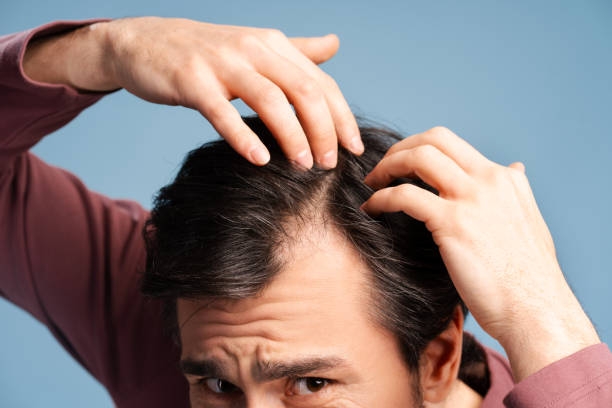
Hair loss can be an emotional and frustrating experience, particularly when thinning becomes more noticeable over time. Finding extra strands on a pillow or in the shower is normal, but persistent shedding, reduced density, a widening part, or a receding hairline may indicate a deeper concern. Before choosing any treatment, it is important to understand why the hair is changing and what options may be appropriate. A personalized approach to hair loss treatment can help patients better understand their condition and explore suitable ways to support healthier-looking hair.
Hair loss can affect men and women for many different reasons. Genetics, aging, hormonal changes, nutritional deficiencies, stress, certain medications, medical conditions, and scalp problems may all influence the hair-growth cycle. Because the cause determines the appropriate approach, patients should avoid assuming that one treatment will work for every type of hair loss. Anyone considering Hair Loss Treatment in Riyadh should begin with a professional evaluation to understand the pattern, severity, and possible contributing factors.
Why Does Hair Loss Occur?
Hair naturally moves through growth, transition, and resting phases. At the end of the cycle, older hairs shed and are replaced by new growth. Hair loss becomes a concern when shedding increases significantly, new growth becomes progressively weaker, or follicles stop producing hair.
Common Causes
Hereditary factors are among the most common causes of progressive thinning. Hormonal fluctuations, stress, illness, nutritional deficiencies, rapid weight changes, and certain medications may also lead to increased shedding. External factors such as frequent chemical processing, excessive heat, and tight hairstyles can contribute to hair breakage.
What Are the Early Signs of Hair Loss?
Recognizing changes early can encourage timely professional evaluation. Hair loss does not always begin with a clearly visible bald area; subtle changes may appear first.
Changes to Watch For
Common signs include increased shedding, a widening part, reduced ponytail thickness, a receding hairline, thinning around the crown, or greater scalp visibility. Some patients may also notice that individual strands appear finer than they used to be.
Sudden or Patchy Hair Loss
Sudden shedding or clearly defined bald patches should receive professional attention. Hair loss accompanied by scalp redness, pain, itching, inflammation, or significant scaling may also require further investigation.
Why Is Diagnosis Important?
Hair loss has many possible causes, and treatment depends on identifying the underlying problem. A professional assessment can help distinguish hereditary thinning from temporary shedding, scalp-related problems, nutritional issues, or other conditions.
What May Be Evaluated?
A specialist may examine the scalp, assess hair density, review the pattern of hair loss, and discuss medical and family history. Lifestyle factors, previous treatments, medications, and hair-care habits may also be considered. Additional testing can sometimes be recommended when an underlying nutritional or hormonal factor is suspected.
What Hair Loss Treatment Options Are Available?
Treatment varies according to the patient's diagnosis, follicle condition, and treatment objectives. Some approaches are intended to support existing follicles, while others may restore hair in areas where follicles have been permanently lost.
PRP Hair Treatment
Platelet-rich plasma, commonly known as PRP, is a non-surgical approach used for certain types of hair thinning. A small blood sample is processed to concentrate platelets, and the resulting plasma is applied to targeted areas of the scalp. Platelets contain growth factors that may help support the environment around hair follicles.
Medical Management
Depending on the cause, medical treatments may be recommended to manage specific forms of hair loss. The choice can depend on factors such as age, sex, medical history, medications, and the pattern of thinning. Patients should discuss potential benefits, limitations, and possible side effects with a qualified professional.
Hair Transplantation
Hair transplantation may be considered when follicles have been permanently lost in selected areas. During the procedure, suitable follicles are transferred from a donor area to areas affected by thinning or baldness. The transplanted follicles can subsequently produce hair, although results depend on factors such as donor hair availability and individual characteristics.
What Should Patients Expect From Treatment?
The treatment experience depends on the selected approach. Some non-surgical treatments may involve a series of sessions, while hair transplantation involves a procedure followed by a recovery period.
Treatment Timeline
Hair growth is gradual, so patients should not expect immediate changes. The time required to notice improvement varies according to the treatment, the individual's growth cycle, the underlying cause of hair loss, and biological response.
Follow-Up and Aftercare
Following professional aftercare instructions is an important part of treatment. Patients may receive guidance about scalp hygiene, washing, physical activity, hair products, and other temporary precautions. Follow-up appointments can help monitor progress and determine whether the treatment plan needs adjustment.
How Can Patients Support Hair Health?
Professional treatment can be complemented by healthy lifestyle and hair-care habits. A balanced diet with adequate protein and essential nutrients can support normal hair production. Managing stress, maintaining appropriate scalp hygiene, and getting sufficient sleep may also contribute to overall hair health.
Protecting Existing Hair
Avoiding excessive heat, harsh chemical treatments, and tight hairstyles can help reduce unnecessary hair-shaft damage and breakage. Gentle brushing and appropriate hair-care products may also help preserve the quality of existing strands.
What Questions Should Patients Ask Before Treatment?
Being informed before treatment can make the experience more comfortable and realistic. Patients can ask what type of hair loss they have, what may be contributing to it, which treatments are appropriate, and what kind of results can reasonably be expected.
Understanding Individual Suitability
A treatment that works for one person may not be suitable for another. Factors such as age, medical history, scalp health, hair density, donor hair availability, and the progression of hair loss can all influence treatment recommendations.
When Should You Seek Professional Help?
Professional evaluation may be appropriate when hair loss persists, progresses noticeably, develops suddenly, or occurs in clearly defined patches. Seeking advice can also be useful when thinning is accompanied by unusual scalp symptoms or when home hair-care changes have not addressed the problem.
Book Your Appointment at Royal Clinic Saudia
If persistent shedding or thinning has become a concern, Hair Loss Treatment in Riyadh can be explored through a professional assessment tailored to your individual needs. Book an appointment with Royal Clinic Saudia to discuss your concerns, understand available treatment approaches, and learn which options may be suitable for your hair and scalp condition.
FAQs:
Is hair loss always permanent? No. Some forms of hair loss are temporary and may improve when the underlying cause is addressed, while others can be progressive or permanent.
Can stress cause increased hair shedding? Yes. Significant physical or emotional stress can disrupt the hair-growth cycle and lead to increased shedding in some individuals.
Is PRP appropriate for everyone? No. PRP may be considered for certain forms of thinning, but suitability depends on the individual's condition and professional assessment.
How long does it take to see hair-growth results? Hair growth is gradual, and the timeline varies according to the cause of hair loss, selected treatment, and individual response.

 English

 Arabic
 French
 Spanish
 Portuguese
 Deutsch
 Turkish
 Dutch
Dutch
 Italiano
 Russian
 Romaian
 Portuguese (Brazil)
 Greek
Greek