
Fine Lines but Not Ready for Fillers? Why Women Are Exploring Polynucleotiden for Skin Rejuvenation in 2026
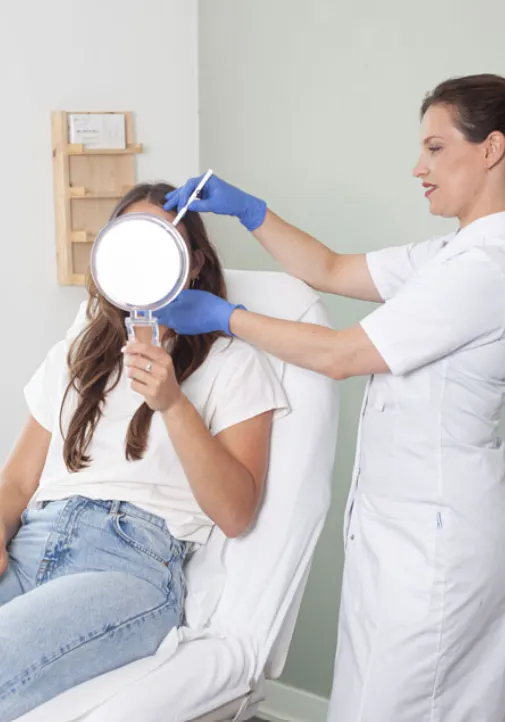
The way women think about aesthetic treatments is changing. For many years, cosmetic procedures were mainly associated with adding volume, reducing wrinkles, or creating visible changes. Today, many women are looking for something different. They want their skin to look healthier, smoother, and more refreshed while keeping the features that make them look like themselves.
This shift is especially noticeable among women who start seeing early signs of ageing. They may notice fine lines around the eyes, changes in skin texture, or a loss of firmness, but they do not feel ready for fillers. Their concern is not that they dislike their face. They simply want to improve the quality of their skin without changing their natural appearance.
This growing preference for subtle results has increased interest in regenerative aesthetic treatments. One treatment receiving more attention in 2026 is polynucleotiden, a skin rejuvenation approach that focuses on supporting skin quality rather than adding volume.
The interest in this treatment reflects a wider change in beauty standards. Many women are no longer searching for a completely different appearance. They are looking for treatments that help them maintain healthy-looking skin as they age.
For women considering their options, the main question is often simple:
“How can I improve my skin without looking like I have had a major cosmetic treatment?”
Why Fine Lines Do Not Always Require Fillers
Fine lines are one of the most common signs of ageing, but they are not always caused by the same thing.
As the skin ages, several natural processes begin to slow down. Collagen and elastin production gradually decreases, which affects the skin’s firmness and flexibility. The skin may also hold less moisture, become thinner, and recover more slowly from daily environmental stress.
Sun exposure is another important factor. Ultraviolet radiation can damage collagen structures over time and contribute to visible ageing changes. Lifestyle factors such as stress, sleep quality, nutrition, and skincare habits can also influence how the skin looks.
This means that ageing is not only about wrinkles. Many women notice broader changes, such as:
-
Skin that looks less fresh
-
Reduced elasticity
-
Uneven texture
-
A tired appearance
-
Fine lines that become more visible
These concerns are different from volume loss.
Fillers are mainly designed to restore volume that has reduced over time. They can be useful for concerns such as hollow areas, deeper folds, or changes in facial structure.
However, many women with early fine lines are not looking for more volume. They want their existing skin to look healthier. This is where treatments focused on regeneration have become more interesting.
What Are Polynucleotiden and Why Are They Being Discussed?
Polynucleotiden are purified DNA fragments that are used in regenerative medicine and aesthetic treatments. In skin rejuvenation, they are injected into specific areas with the goal of supporting the skin’s natural repair processes.
These molecules are commonly derived from purified salmon or trout DNA. They have been studied because of their potential role in tissue repair and cellular activity.
Unlike fillers, polynucleotiden do not work by adding volume beneath the skin. They do not reshape the face or create fuller cheeks or lips.
Instead, the focus is on improving the condition of the skin itself.
Research suggests that polynucleotiden may support several important aspects of skin quality, including:
-
Hydration
-
Elasticity
-
Skin texture
-
Collagen-related activity
-
Tissue regeneration
One important area of interest is fibroblast activity. Fibroblasts are specialised cells responsible for producing collagen and maintaining the supportive structure of the skin. As their activity decreases with age, the skin may gradually lose some of its firmness and resilience.
A review published in the International Journal of Molecular Sciences in 2024 examined current evidence around polynucleotide-based treatments in aesthetic medicine. The researchers reported that existing studies showed potential improvements in areas such as skin texture, hydration, elasticity, and wrinkle appearance. At the same time, they explained that more large-scale clinical research is needed to confirm long-term outcomes and establish standard treatment protocols.
This balanced view is important. Polynucleotiden are a promising area of aesthetic medicine, but they should be understood realistically. They are not a replacement for healthy lifestyle habits, professional skincare, or every other cosmetic procedure.
More information about this type of regenerative skin treatment can be found through polynucleotiden.
How Polynucleotiden Works With the Skin’s Natural Processes
Healthy skin depends on a combination of biological processes working together. Collagen production, hydration, cell activity, and tissue repair all influence how the skin appears over time.
As ageing progresses, these processes become slower. The skin may lose some of its ability to maintain firmness and recover from everyday stress.
Polynucleotiden are designed to support the environment where these natural processes take place. Instead of creating an immediate change, they work gradually by supporting the skin’s condition.
This is one of the main reasons they appeal to women who prefer subtle improvements.
The goal is not for someone else to immediately notice that a procedure has been performed. The goal is for the person to notice that their skin looks healthier, smoother, and more refreshed.
Results can vary between individuals. Age, skin condition, lifestyle, treatment area, and personal response all influence the outcome.
What Does Scientific Research Say About Polynucleotiden?
Interest in polynucleotiden has increased rapidly, but scientific research is still developing. Current evidence is encouraging, although researchers continue to study the treatment’s long-term effectiveness and the best ways to use it.
One of the most relevant publications is the 2025 systematic review by Lampridou et al. published in the Journal of Cosmetic Dermatology.
The researchers analysed:
9 clinical studies involving 219 patients
The review found that polynucleotide treatments showed promising improvements in:
-
Skin texture
-
Wrinkle appearance
-
Elasticity
The researchers also reported that side effects were generally mild and temporary. Common reactions included redness, swelling, and discomfort around injection areas.
However, the review also highlighted an important limitation. Many existing studies involve relatively small groups of participants, meaning larger and stronger clinical trials are still needed.
This does not reduce the value of the current research. Instead, it provides a realistic understanding. Polynucleotiden may be a useful option for certain skin concerns, but expectations should always be based on evidence rather than online trends.
Why Women Are Choosing Skin Quality Over Facial Volume
The growing interest in polynucleotiden reflects a major change in how women approach ageing.
For many women, ageing is not something they want to completely hide. They want to feel confident while maintaining their natural appearance.
This is particularly true for women who hesitate before choosing fillers. Their concern is often not the existence of fine lines. Their concern is whether a treatment will change the way they look.
The modern goal is often described as looking refreshed rather than transformed.
Women are increasingly interested in treatments that support:
-
Healthy-looking skin
-
Natural facial movement
-
Subtle improvements
-
Personalised care
This does not mean fillers are unsuitable. When used correctly, fillers can provide natural results for the right concerns. The important difference is that fillers and polynucleotiden are designed for different purposes.
A person with volume loss may benefit from a filler.
A person with early fine lines and reduced skin quality may prefer a regenerative approach.
Understanding this difference helps women make choices based on their own skin needs rather than general beauty trends.
Polynucleotiden Compared With Fillers
The difference between polynucleotiden and fillers comes down to one main question: what does the skin actually need?
Fillers are mainly used when ageing has affected facial structure. They restore volume and can improve areas where fullness has decreased.
Polynucleotiden focuses more on improving the quality of the skin itself. They are considered by people who want to support hydration, texture, and elasticity without changing facial shape.
|
Feature |
Polynucleotiden |
Fillers |
|
Main purpose |
Support skin quality and regeneration |
Restore lost volume |
|
Main concern |
Fine lines, texture, elasticity |
Volume loss and facial contour changes |
|
Effect on facial structure |
Usually minimal |
Can change contours |
|
Result style |
Gradual improvement |
More immediate volume restoration |
Neither treatment is automatically better. The right choice depends on the reason behind the concern.
A woman who says, “My skin looks tired, but I do not want a fuller face,” may have different needs from someone who has experienced noticeable volume loss.
Polynucleotiden vs Skin Boosters: Different Ways to Improve Skin Quality
Polynucleotiden are often compared with skin boosters because both treatments are chosen by people who want healthier-looking skin without making major changes to their facial appearance. However, they approach skin improvement in different ways.
Skin boosters are generally focused on hydration. Many contain hyaluronic acid, a substance naturally found in the body that helps the skin retain moisture. They are often used when the skin appears dry, dull, or lacking freshness.
Polynucleotiden have a broader regenerative focus. Instead of mainly improving hydration, they are designed to support the skin environment and encourage processes involved in repair and renewal.
The difference is not about one treatment being better than the other. It depends on the individual’s skin concern.
Someone whose main issue is dehydration may benefit from a treatment focused on moisture. Someone who is more concerned about early ageing, reduced elasticity, and changes in skin texture may be interested in a regenerative approach.
A proper skin assessment helps determine which option is more suitable because similar symptoms can have different causes.
Polynucleotiden vs Botox: Why the Treatments Are Not Interchangeable
Botox is another well-known aesthetic treatment, but it works in a completely different way from polynucleotiden.
Botox temporarily reduces muscle activity, which makes it effective for dynamic wrinkles. These are lines that appear because of repeated facial movements.
Common examples include forehead lines, frown lines between the eyebrows, and crow’s feet around the eyes.
Polynucleotiden do not affect muscle movement. They do not relax facial muscles or directly treat movement-related wrinkles. Their purpose is to support the condition of the skin.
This distinction matters because different signs of ageing require different approaches.
For example, a person who mainly notices a strong expression line may consider a muscle-relaxing treatment. Someone who notices thinner skin, reduced elasticity, or a rougher texture may be more interested in improving skin quality.
Ageing affects the face in several ways, which is why modern aesthetic medicine offers different treatments for different concerns.
Polynucleotiden vs PDRN: Understanding the Difference
Many people confuse polynucleotiden with PDRN because both are DNA-derived treatments used in regenerative medicine.
PDRN stands for polydeoxyribonucleotide. It has a longer history of research, particularly in areas related to wound healing and tissue repair.
Polynucleotiden are larger DNA fragments that are used in aesthetic medicine with a focus on supporting skin quality, elasticity, and regeneration.
Both treatments are based on the idea that DNA-derived molecules may support biological repair processes. However, they are not identical, and their formulations and clinical applications can vary.
Research into both treatments is continuing. Current findings are promising, but scientists are still studying the best treatment methods, ideal patient groups, and long-term outcomes.
This is why it is important to look beyond trends and understand the scientific evidence behind any aesthetic treatment.
When Can You Expect Results From Polynucleotiden?
One of the most important things to understand about polynucleotiden is that they are not designed to create an immediate transformation.
Unlike fillers, which can produce a visible volume change soon after treatment, polynucleotiden work gradually by supporting the skin over time.
Many treatment plans involve more than one session, although the exact number depends on the product used, the treatment area, the condition of the skin, and the practitioner’s approach.
People may gradually notice improvements such as:
-
Smoother skin texture
-
A fresher appearance
-
Improved hydration
-
Better overall skin quality
The timeline differs from person to person. Factors such as age, lifestyle, sun exposure, skincare routine, and individual response all influence how the skin changes after treatment.
This gradual process is one reason the treatment appeals to women who want subtle results. The goal is not a sudden difference that others immediately recognise. The goal is a healthier-looking appearance that develops naturally.
It is also important to understand that polynucleotiden do not stop the ageing process. Skin continues to change over time, and maintaining healthy habits remains an important part of long-term skin care.
Are Polynucleotiden Safe?
Safety is one of the most important considerations when choosing any injectable treatment.
Current research suggests that polynucleotiden have shown a generally positive safety profile when used correctly by trained professionals.
The 2025 systematic review by Lampridou et al. reported that side effects in available studies were mainly mild and temporary. These included common reactions associated with injections, such as redness, swelling, bruising, and short-term discomfort.
However, safety depends on more than the product itself.
Important factors include:
-
Correct patient assessment
-
Appropriate injection technique
-
Product quality
-
Practitioner experience
A consultation before treatment is essential because not every person has the same skin needs or medical background.
People should also be careful with unrealistic claims. A responsible approach means understanding both the potential benefits and the limitations of current research.
Polynucleotiden may support skin improvement, but results can vary and no treatment can guarantee the same outcome for everyone.
Who May Consider Polynucleotiden for Skin Rejuvenation?
Polynucleotiden is generally considered by people who want to improve signs of skin ageing while keeping their natural appearance.
They may be explored for concerns such as:
-
Early fine lines
-
Reduced skin firmness
-
Uneven texture
-
Dehydrated-looking skin
-
A tired complexion
The treatment is also discussed for delicate areas where skin quality is especially important, including the face, neck, décolleté, and under-eye area.
The under-eye region has received particular attention because the skin in this area is naturally thinner and often shows early signs of ageing. However, under-eye concerns can have different causes.
For some people, the issue may be skin quality. For others, it may involve pigmentation, facial anatomy, or volume changes.
This is why a personalised assessment is important. The right treatment depends on understanding the actual reason behind the concern.
Why Polynucleotiden Are Becoming More Popular in the Netherlands in 2026
The interest in polynucleotiden reflects a wider European movement toward natural and personalised aesthetic care.
In the Netherlands, many people are becoming more interested in treatments that support their appearance without creating obvious changes. The preference is moving toward subtle improvements rather than dramatic transformations.
This does not mean people want to ignore ageing. Instead, many are choosing a more balanced approach.
The focus is increasingly on:
-
Maintaining healthy-looking skin
-
Supporting skin quality earlier
-
Choosing treatments based on individual needs
-
Making informed decisions
Dutch consumers are also becoming more aware of the importance of evidence and professional guidance. With newer aesthetic treatments, understanding the science behind a procedure is just as important as understanding the possible results.
The growing discussion around polynucleotiden fits into this broader movement. Women are exploring options that focus on prevention, skin health, and natural-looking improvement.
What Should You Consider Before Choosing Polynucleotiden?
Choosing an aesthetic treatment should begin with understanding your own skin concerns.
Fine lines can develop for different reasons. They may be linked to reduced collagen, dehydration, repeated facial movements, or changes in facial structure.
Before considering treatment, it is useful to ask:
What is the main concern?
Someone mainly concerned about skin texture may need a different approach from someone experiencing volume loss.
What result are you expecting?
Polynucleotiden are designed for gradual improvement. They are not intended to create a dramatic overnight change.
Is the treatment suitable for your skin?
A professional consultation helps determine whether the treatment matches your skin condition and personal circumstances.
Are you choosing based on information rather than trends?
Aesthetic decisions should be based on realistic expectations and professional advice rather than social media popularity alone.
This approach helps people choose treatments that fit their own needs instead of following a general trend.
The Future of Natural Skin Rejuvenation
The growing interest in polynucleotiden shows how aesthetic medicine is changing.
Many women are moving away from the idea that beauty treatments should completely change the way they look. Instead, they are choosing approaches that support healthy skin and maintain their natural identity.
Current research shows encouraging potential, but scientists continue to study the long-term effects and best treatment methods.
The International Journal of Molecular Sciences 2024 review and the 2025 systematic review by Lampridou et al. both provide promising findings while also highlighting the need for further research.
This balanced view is important because the best aesthetic choices come from combining scientific evidence, realistic expectations, and personal goals.
For women who notice fine lines but are not ready for fillers, polynucleotiden represent a different approach to skin rejuvenation. The focus is not on adding volume or changing facial structure. It is about supporting the skin and improving its overall appearance in a subtle way.
As aesthetic medicine continues to develop in 2026, the direction is becoming clearer. More people are looking for treatments that respect individuality, focus on skin health, and help them feel confident without losing what makes their appearance unique.
 English
 Arabic
 French
 Spanish
 Portuguese
 Deutsch
 Turkish
 Dutch
Dutch
 Italiano
 Russian
 Romaian
 Portuguese (Brazil)
 Greek
Greek
