
Difference between specialty and consumer chemical products
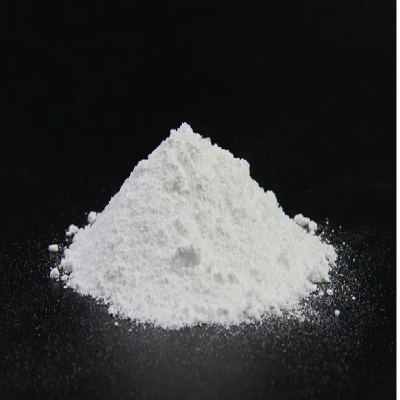
Specialty chemical products and consumer chemical products are two distinct categories within the chemical industry, each with unique characteristics, applications, and market dynamics. Here’s a detailed comparison between the two:
1. Definition and Characteristics
- Specialty chemical products:
- Definition: Specialty chemical products are high-value-added products designed for specific applications. They are often produced in lower volumes but have higher profit margins compared to commodity chemical products.
- Characteristics: These chemical products are defined by their performance and functionality. They are typically more complex and require advanced research and development (R&D) to produce. Examples include pharmaceuticals, dyes and pigments, adhesives, and advanced polymers.
- Consumer chemical products:
- Definition: Consumer chemical products are end-products formulated from basic and specialty chemical products for direct use by consumers. They are typically produced in larger volumes and have more competitive pricing.
- Characteristics: These products are designed for everyday use and include items like detergents, soaps, fragrances, and personal care products. They often require significant investment in marketing and branding.
2. Applications
- Specialty chemical products:
- Applications: Used in a wide range of industries, including pharmaceuticals, electronics, automotive, aerospace, and agriculture. They are critical for specialized applications such as coatings, adhesives, and agrochemical products.
- Examples: Pharmaceuticals (active ingredients), electronic chemical products (photoresists, etchants), and advanced materials (carbon fibers, specialty polymers).
- Consumer chemical products:
- Applications: Primarily focused on household and personal care products. They are essential for maintaining daily hygiene and improving the quality of life.
- Examples: Detergents, soaps, toothpaste, mouthwash, perfumes, and cosmetics.
3. Market Dynamics
- Specialty chemical products:
- Market Size: Represent about 27% of total chemical sales.
- Growth Rate: Generally have higher growth rates due to their specialized nature and the continuous need for innovation.
- Profit Margins: Higher profit margins compared to commodity chemical products, as they are often sold based on performance rather than price.
- Consumer chemical products:
- Market Size: Represent about 15% of total chemical sales.
- Growth Rate: Growth rates can be more stable but are influenced by consumer trends and economic conditions.
- Profit Margins: Profit margins can be competitive due to the need for significant marketing and branding efforts.
4. Production and R&D
- Specialty chemical products:
- Production: Often produced in smaller, more specialized facilities. The production processes are highly customized to meet specific performance requirements.
- R&D: Require significant investment in R&D to develop new products and improve existing ones. Innovation is a key driver in this segment.
- Consumer chemical products:
- Production: Produced in larger volumes, often in more standardized facilities. The focus is on consistency and cost-effectiveness.
- R&D: R&D efforts are more focused on formulation and consumer testing to ensure product safety and effectiveness.
5. Regulatory and Environmental Considerations
- Specialty chemical products:
- Regulation: Subject to strict regulations, especially in sectors like pharmaceuticals and electronics, to ensure safety and efficacy.
- Environmental Impact: The production processes can be more complex and may require advanced waste management and environmental control measures.
- Consumer chemical products:
- Regulation: Also subject to regulations, particularly in personal care and household products, to ensure consumer safety.
- Environmental Impact: Focus on reducing the environmental footprint through sustainable packaging and eco-friendly formulations.
Conclusion
Specialty chemical products and consumer chemical products serve different markets and have distinct characteristics. While specialty chemical products are high-value products designed for specific industrial applications, consumer chemical products are formulated products intended for everyday use by individuals. Understanding these differences is crucial for companies to tailor their strategies and meet the unique demands of each segment.

 English
 Arabic
 Spanish
 Portuguese
 Deutsch
 Turkish
 Dutch
Dutch
 Italiano
 Russian
 Romaian
 Portuguese (Brazil)
 Greek
Greek
