
10 Common Mistakes to Avoid When Growing Onions from Seed
Growing onions from seed can be deeply rewarding, but small errors can lead to undersized bulbs, pest problems, or poor flavor. Understanding these mistakes ahead of time ensures a better harvest and healthier plants.
Starting with Low-Quality or Old Seeds
Onion seeds have a short viability period, often losing germination strength after a year. Using old seeds can result in uneven sprouting and weak seedlings. Always check the seed packet date and source them from reputable suppliers. Many growers who start with poor germination later discover the issue lies with seed age rather than planting technique. For consistent results, experienced farmers often prefer to get Premium Onion Seeds Online from trusted agricultural vendors, ensuring strong genetic quality and better disease resistance.
Sowing Seeds Too Late in the Season
Timing is crucial for onions. In many regions, onions require 90–120 days of growth before the warmest part of the year. Sowing too late means bulbs won’t mature fully, leading to small sizes and reduced storage life.
A good practice is to check local planting calendars or resources like the National Gardening Association’s planting guides to ensure your sowing dates align with your climate.
Overcrowding the Seedlings
Planting seeds too close together restricts bulb development, leading to long, thin onions rather than large, round bulbs. Adequate spacing ensures proper airflow, which reduces fungal risks.
-
Aim for 10–12 cm between plants in rows
-
Keep rows 30–35 cm apart for easier weeding
Overcrowding also makes it harder for each plant to access nutrients and water, stunting growth.
Ignoring Soil Preparation Needs
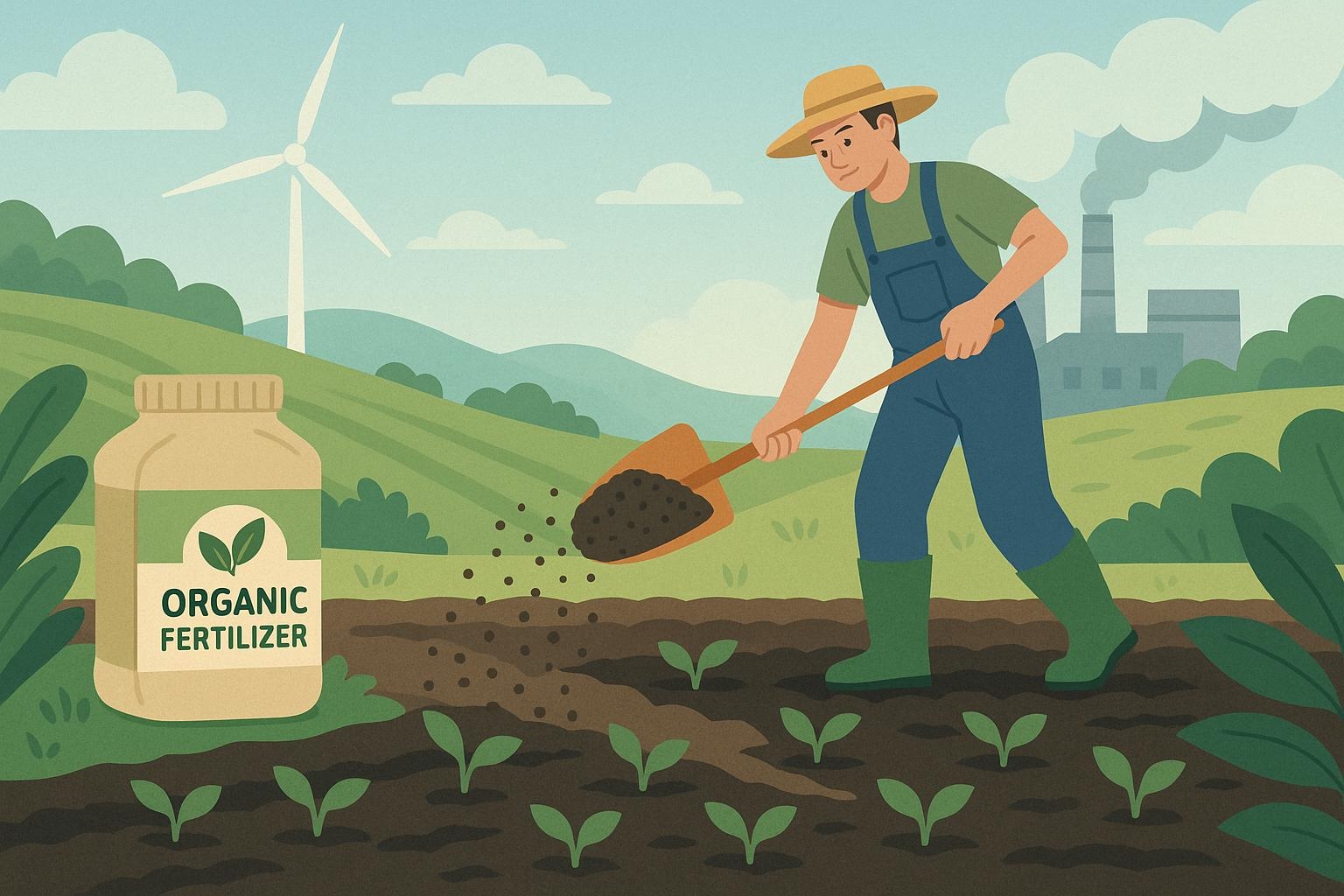
Onions require loose, nutrient-rich soil with excellent drainage. Heavy clay soils cause bulb distortion and slow growth. A pH range of 6.0–6.8 is optimal. Adding organic matter, such as compost or well-rotted manure, improves both texture and fertility.
According to RHS gardening research, onions thrive when soil preparation starts at least two weeks before sowing, giving amendments time to settle.
Forgetting About Day-Length Requirements
Different onion varieties respond to specific daylight lengths. Planting the wrong type for your region can prevent bulb formation.
Short-day onions are ideal for southern regions, while long-day onions suit northern climates. Intermediate-day types are best for transitional areas.
"A great harvest starts with knowing your crop’s natural rhythms and matching them to your environment."
Inconsistent Watering Practices
Both overwatering and underwatering can harm onions. Excess moisture encourages fungal diseases like downy mildew, while drought stress can trigger premature bolting.
A consistent watering schedule—about 2.5 cm per week—is generally suitable, with adjustments during hot or rainy spells. Mulching around the plants helps maintain even soil moisture.
Neglecting Weed Control
Weeds compete directly with onions for nutrients and water, and because onions have shallow roots, they are more vulnerable to competition. Early and regular weeding prevents growth setbacks.
Hand weeding or shallow hoeing is preferable to avoid damaging the bulbs. Avoid deep cultivation, as it can disturb developing roots and bulbs.
Over-Fertilizing with Nitrogen
While onions benefit from nitrogen in the early growth stage, excessive nitrogen later on encourages leafy growth at the expense of bulb development. The result can be lush green tops but undersized bulbs.
Balanced fertilization, with reduced nitrogen after bulbing starts, ensures better yields. Using a soil test kit before planting can help determine exact needs.
Ignoring Pest and Disease Monitoring
Common onion pests like thrips or onion maggots can devastate a crop if unnoticed. Fungal diseases such as white rot or purple blotch can spread quickly in warm, moist conditions.
Regular inspections, especially during the growing season’s peak, allow for early intervention. Integrated pest management (IPM) strategies, including crop rotation, help maintain healthy crops over time.
Improper Harvest and Curing Practices
Harvesting onions too early leads to immature bulbs that store poorly. Waiting until the tops fall over naturally is a good sign they are ready. After harvesting, onions need to be cured in a warm, dry area for at least 10–14 days before storage.
Improper curing results in soft spots and early spoilage. Well-cured onions can store for months, depending on variety and conditions.
FAQs
How deep should onion seeds be planted?
Plant seeds about 1 cm deep in well-prepared soil.
Can onions be grown in containers from seed?
Yes, as long as containers are at least 20 cm deep and have good drainage.
What’s the best way to prevent bolting?
Choose bolt-resistant varieties and maintain consistent soil moisture and temperature.
Moving Forward with Better Onion Harvests
Avoiding these mistakes transforms onion growing from a frustrating gamble into a reliable and productive process. The key lies in combining good seed quality, correct timing, and attentive crop care. By refining each step—from sowing to curing—you set the stage for onions that are flavorful, well-formed, and long-lasting in storage.
 Spanish
 English
 Arabic
 French
 Portuguese
 Deutsch
 Turkish
 Dutch
Dutch
 Italiano
 Russian
 Romaian
 Portuguese (Brazil)
 Greek
Greek
