
Evolution of Hoarding Boards: From Basic Barriers to Branding Tools
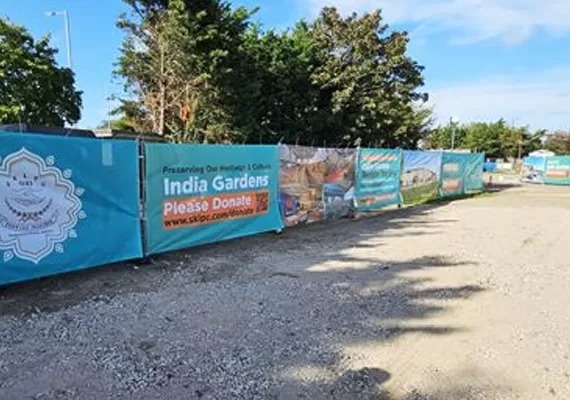
Hoarding boards have always been a common feature around construction sites, serving mainly as barriers to shield works in progress and protect the public from potential hazards. Initially regarded as purely functional, they offered little more than a means of separation. Over the years, however, these plain panels have undergone a remarkable transformation, evolving into platforms that serve branding, storytelling, and urban design. Their development reflects broader shifts in technology, marketing, and sustainability, as well as rising public expectations of how construction projects should engage with and enhance their surrounding environments.
1. Origins of Hoarding Boards: Purely Functional Barriers
In their earliest form, hoarding boards were built purely for functionality. Their primary role was to create a physical boundary around worksites, keeping the public safe from hazards while ensuring construction activities were contained. Materials were simple, often consisting of timber or metal sheets, with little thought given to appearance. They were practical and cost-effective but lacked aesthetic value. At this stage, no one considered them part of the communication or marketing process—they were simply barriers serving a clear and limited purpose.
2. The Shift Toward Aesthetic Considerations
As towns and cities expanded, construction became more visible in densely populated areas. Developers and councils began to recognise that the appearance of hoarding panel boards influenced how communities perceived construction projects. Regulations were introduced to ensure hoardings were well maintained and visually acceptable.
- Developers began adding paint and simple finishes to plain boards, softening their stark look and making construction sites appear neater.
- This shift marked the start of a more thoughtful approach, where the visual appeal of hoarding printed boards became nearly as important as their practical function.
3. Emergence of Hoarding as Advertising Medium
It did not take long for developers to realise that these large surfaces offered a valuable opportunity. Instead of leaving panels blank, they began displaying project information such as completion dates, architect details, or the developer’s logo. This served a dual purpose: keeping the public informed and building anticipation for the project. Advertising on hoarding panel boards became a natural extension of marketing, with colourful designs and bold text transforming once uninspiring surfaces into tools of promotion.
4. Hoardings as Storytelling Platforms
As demand for impactful visuals increased, hoardings moved beyond basic promotion and became storytelling platforms. Developers started using detailed graphics to illustrate what the finished development would look like, often featuring photorealistic renders of residential or commercial spaces.
- These designs not only promoted projects but also engaged local communities by showing the positive impact developments could bring.
- Hoardings transformed into dynamic canvases, presenting lifestyle concepts, aspirational visuals, and bold brand values that captured attention and engaged communities.
5. Technological Advancements in Printing and Materials
The transformation of hoarding boards was driven in part by technological innovation. Hand-painted messages gave way to digitally printed panels capable of producing vibrant, high-resolution images. The introduction of durable substrates such as aluminium composite board provided a practical solution that was both strong and weather resistant. This ensured that branding messages remained sharp and professional even in demanding outdoor environments. High-quality printing techniques further expanded possibilities, allowing designs to feature complex artwork, photography, and bold colour schemes.
6. Integration of Marketing and Compliance
Modern hoarding panel boards serve multiple functions simultaneously.
- This integration means a single panel can communicate construction warnings, direct pedestrian traffic, and display brand identity all at once.
- Balancing compliance with creative design ensures that developers meet regulatory obligations without sacrificing marketing opportunities.
7. Sustainability and Eco-Friendly Innovations
As sustainability has become a priority in construction, hoarding boards have also undergone eco-friendly improvements. Recyclable materials, including aluminium composite board and other alternatives, are now commonly used to reduce environmental impact.
- Printers increasingly use low-VOC inks and energy-efficient printing techniques, ensuring production methods stay environmentally responsible and meet modern green standards.
- Developers carefully assess lifecycle costs, choosing durable materials that can be easily recycled or repurposed, extending their usability beyond the end of each project.
- Such eco-friendly innovations not only reduce environmental impact but also resonate strongly with communities that value sustainability and responsible construction practices.
8. Hoarding as Experiential and Interactive Tools
The modern era has pushed hoarding design into new and innovative directions. No longer limited to static graphics, boards now incorporate elements such as LED lighting, 3D installations, and interactive features. QR codes can link passers-by to websites or virtual tours of developments, while augmented reality experiences allow people to visualise finished projects in real time. These advances turn hoarding from simple boundaries into engaging experiences, drawing people closer to the project and increasing brand visibility.
9. The Role of Hoardings in Modern Urban Branding
Hoarding printed boards now contribute significantly to urban branding. Far from being temporary barriers, they influence how a city looks and feels during development phases.
- For local councils, investing in well-designed hoardings helps enhance the look of public spaces, ensuring construction areas feel less intrusive and more community friendly.
- For developers, these boards serve as large-scale advertisements that influence public opinion, generate interest, and add long-term value to ongoing and future projects.
- In many cases, hoardings have evolved into temporary landmarks, contributing to the cultural identity of a street or district while leaving a positive visual impression.

10. Future of Hoarding Boards
Looking ahead, the future of hoarding printed boards lies in digital and smart technologies. We can expect AI-driven systems that adjust advertising content dynamically based on time of day or audience profile.
- Solar-powered panels can deliver eco-friendly lighting solutions, and when paired with durable aluminium composite board, they enhance site visibility while ensuring greater safety day and night.
- With technology moving rapidly, hoarding panel boards are set to become even more advanced, continuing to combine safety, branding, and interactive engagement.
- Their evolution keeps progressing, but one fact stands firm: they remain vital for ensuring construction site safety while doubling as powerful marketing tools.
Conclusion
The journey of hoarding boards from basic safety barriers to dynamic branding platforms reflects the changing priorities of construction and marketing industries. By integrating sustainability, creativity, and interactive elements, hoarding graphic boards now serve as vital components of urban landscapes. For businesses and developers alike, they represent more than boundaries—they are opportunities to connect with audiences, showcase vision, and build anticipation. Hoarding Printing Company understands the importance of this evolution and provides tailored solutions that combine safety, sustainability, and striking design.

 English
 Arabic
 French
 Spanish
 Portuguese
 Turkish
 Dutch
Dutch
 Italiano
 Russian
 Romaian
 Portuguese (Brazil)
 Greek
Greek
