
Genotyping Assay Market Growth Across Healthcare and Agriculture
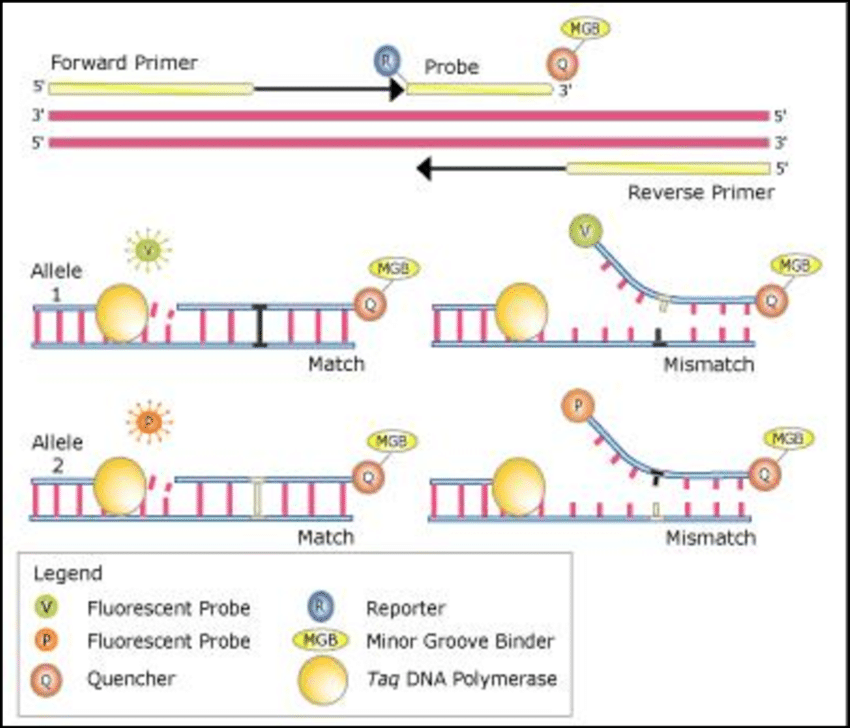
The Genotyping Asssay market size is projected with a strong growth rate — the report cites a compound annual growth rate (CAGR) of ~19.99 % for the period 2024–2031.The growth of the genotyping assay market can be attributed to multiple converging factors. Personalized medicine is no longer a futuristic concept — it is becoming standard practice, and genotyping assays are at its core. Advances in sequencing, microarrays, and PCR technologies are reducing costs while improving accuracy, making genotyping widely accessible.Beyond healthcare, agriculture and animal breeding are embracing genotyping to improve yield, disease resistance, and food security. These applications significantly expand the market’s scope. Additionally, supportive government policies and funding for genomic research create a favorable environment for continued expansion.
📌 Download your Sample Report Instantly - Corporate Email ID required for priority access:- https://www.datamintelligence.com/download-sample/genotyping-assay-market
Market Segmentation-
-By Product & Services, the market divides into reagents and kits, instruments, and bioinformatics or software. Reagents and kits make up the largest share because they are frequently repurchased and play a vital role in every assay workflow. Instruments like PCR systems, sequencers, and microarrays form the backbone of laboratory setups. At the same time, bioinformatics tools are quickly growing as the need for data interpretation increases.
-By Technology, the market includes PCR, sequencing, microarrays, and specialized methods like MALDI-TOF and TaqMan assays. Sequencing technologies are growing the fastest, driven by next-generation sequencing and high-throughput methods. PCR remains the leader in routine genotyping, while microarrays are widely used in research and large-scale population studies.
-By Application, genotyping assays serve various industries. Clinical diagnostics and pharmacogenomics lead in adoption, supporting personalized treatment plans and predicting disease risk. Agriculture and animal genetics represent another major segment, where genotyping aids in crop improvement and livestock breeding. Forensics and academic research also show strong demand.
-By End User, pharmaceutical and biotechnology companies are key consumers, using assays for drug development and biomarker discovery. Diagnostic laboratories depend on genotyping for patient testing. Academic and research institutes apply these tools for both basic and applied genetics research.
Market Drivers-
First, the falling cost of genomic technologies is making genotyping more affordable. High-throughput sequencing and PCR-based tests that were once too expensive are now accessible to smaller labs and diagnostic centers.
Second, the growth of personalized medicine is driving demand. Doctors are increasingly customizing treatments based on a patient’s genetic profile, especially in oncology, cardiology, and neurology. Genotyping tests are key to these personalized treatment plans.
Third, the number of genetic disorders and the need for early diagnosis are rising. Population screening, carrier testing, and newborn diagnostics depend heavily on precise genotyping tools.
Finally, technological innovation is crucial. The use of artificial intelligence, automation, and multiplexing improves the accuracy, speed, and scalability of assays. This makes genotyping appealing for both clinical and agricultural uses.
Market key players
-The genotyping assay market is shaped by a mix of established life science giants and innovative biotech firms. Thermo Fisher Scientific, Illumina, Danaher, QIAGEN, Agilent Technologies, and Roche dominate the space with extensive product portfolios. These players invest heavily in R&D, ensuring a continuous stream of new assay kits, sequencing platforms, and bioinformatics solutions.
-At the same time, companies such as Eurofins Scientific, PerkinElmer, Bio-Rad Laboratories, and BGI are strengthening their presence through regional expansion and strategic collaborations. Their efforts aim to provide end-to-end solutions that combine reagents, instruments, and data analytics.
-The competitive landscape is dynamic. Frequent partnerships, acquisitions, and joint ventures are common strategies as companies look to expand market share and gain access to specialized technologies.
Recent Development:-
-Product Innovation: Companies are rolling out next-generation kits with higher accuracy and shorter turnaround times. Multiplexed SNP panels and advanced sequencing-based assays are gaining popularity.
-Strategic Partnerships: Leading genomics firms are entering partnerships with bioinformatics startups to integrate AI-driven analysis into genotyping workflows.
-Global Expansion: Asian countries such as India and China are investing heavily in national genome projects, increasing regional demand for genotyping assays.
-Regulatory Updates: New guidelines around genetic testing, data privacy, and quality standards are influencing how companies design and market their assays.
Benefit Of the Report-
-A professional market report on the genotyping assay sector offers stakeholders several key benefits. It supports strategic planning by identifying high-growth opportunities and enabling informed decisions. It also allows for competitive benchmarking, helping businesses understand their position against rivals.
-Reports provide trend forecasting, ensuring companies stay ahead of technological and regulatory changes. They also assist with risk mitigation, highlighting challenges such as supply chain constraints or compliance issues. For investors, market reports are invaluable tools for investment decision support, offering clarity on valuations and long-term profitability.
Conclusion
The genotyping assay market is on a strong upward trajectory, with valuations projected to exceed USD 20 billion by 2025 and continue growing at double-digit rates. This momentum is fueled by a combination of technological innovation, expanding applications, and global investments in genomics.Looking ahead, the market’s success will depend on how effectively companies balance innovation with affordability, regulatory compliance, and ethical considerations around genetic data use. Those that provide comprehensive solutions — from assay kits and instruments to bioinformatics support — will likely lead the way.
Contact Us:
Company Name: DataM Intelligence 4market Research LLP
Contact Person: Sai Kiran
Email: Sai.k@datamintelligence.com
Phone: +1 877 441 4866
Website: https://www.datamintelligence.com

 English
 Arabic
 Spanish
 Portuguese
 Deutsch
 Turkish
 Dutch
 Italiano
 Russian
 Romaian
 Portuguese (Brazil)
 Greek
