
Intent Data 101: How to Find Prospects Actively Looking for Solutions Like Yours
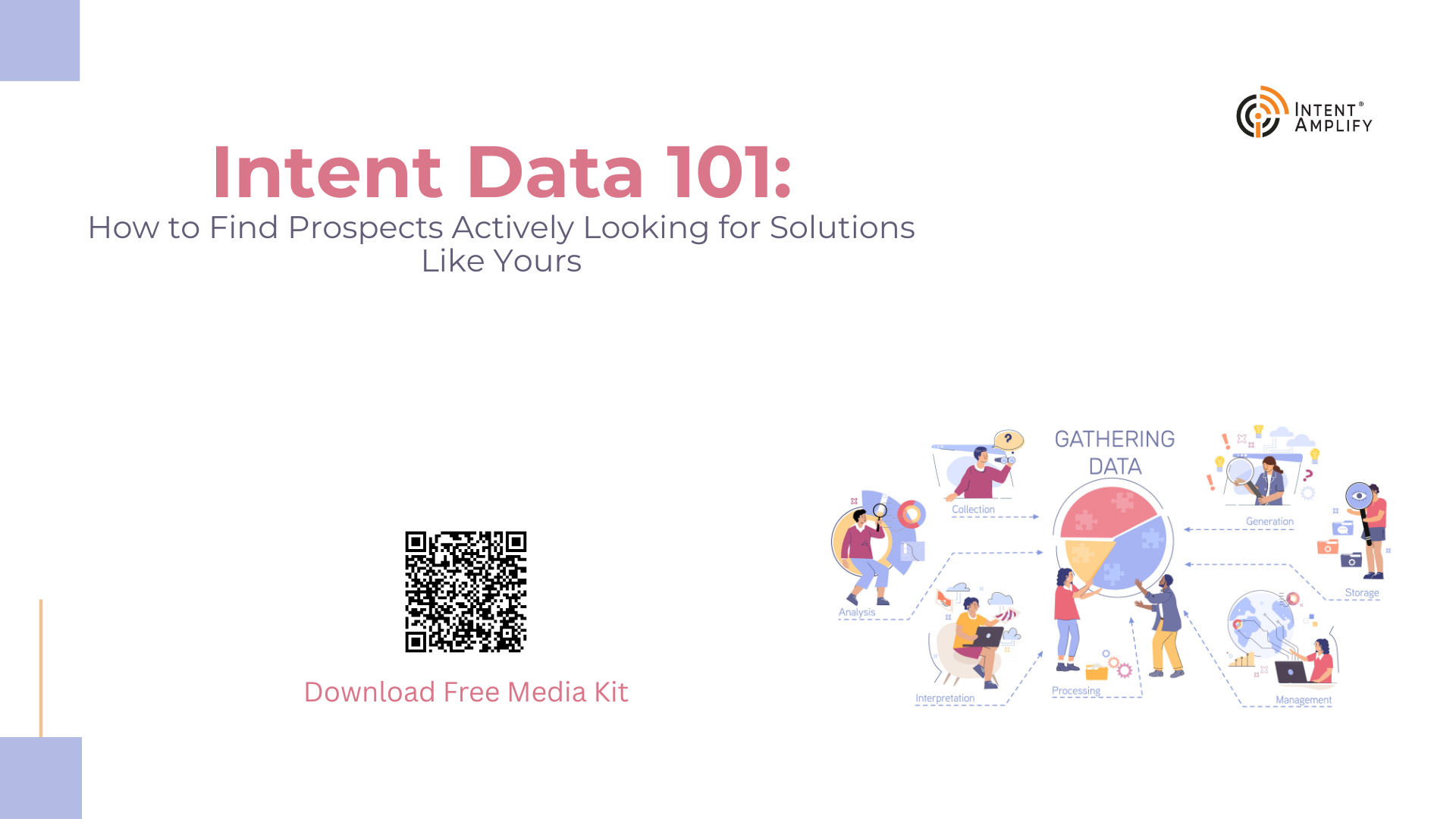
In today's crowded B2B marketplace, the difference between sales success and frustration often comes down to one critical capability: identifying prospects who are actively looking for solutions like yours right now. This is where intent data becomes your most valuable asset. Rather than hoping your marketing messages eventually reach interested prospects, intent data lets you detect buying signals indicating someone is actively evaluating solutions in your category—then reach out at precisely the moment they're most receptive.
Intent data has fundamentally changed how successful B2B companies approach lead generation. Traditional approaches scattered marketing efforts hoping someone somewhere might eventually become interested. Modern intent-based approaches identify prospects already experiencing buying signals, already researching solutions, already evaluating options. This shift from passive broadcasting to active prospect identification increases conversion rates, shortens sales cycles, and dramatically improves return on marketing investment.
The ability to identify high-intent prospects separates companies achieving exceptional pipeline growth from those struggling with underwhelming results. In 2025, B2B organizations that master intent data strategies consistently report 40-50% shorter sales cycles, 3-5x higher conversion rates on engaged prospects, and significantly better quality opportunities compared to organizations relying on traditional lead generation approaches. Understanding intent data is no longer optional—it's essential to remaining competitive.
What Is Intent Data and Why Does It Matter?
Intent data represents signals indicating that a prospect is actively researching, evaluating, or preparing to purchase solutions in your category. Rather than demographic information (where someone works) or firmographic data (company characteristics), intent data focuses on behavioral signals revealing actual buying interest and activity.
Intent signals come in many forms. Perhaps someone searches for keywords related to your solution category. Perhaps they visit your website or competitor websites. Perhaps they download content comparing different vendors. Perhaps they attend industry conferences or webinars addressing topics related to your solution. Perhaps hiring announcements indicate a company expanded roles related to your solution area. Each of these represents an intent signal suggesting active exploration of solutions.
Why does intent data matter so much? The answer lies in conversion fundamentals. When you contact a prospect actively researching solutions, they're genuinely interested and receptive to conversations. When you contact a prospect not actively researching, they perceive your outreach as interruption. Intent data helps you identify the first scenario and avoid the second.
Consider these numbers: according to 2025 research, approximately 3-5% of your total addressable market is actively in market at any given moment—meaning they're actively evaluating solutions and likely to purchase within the next 6-12 months. Another 30-40% are in early research stages, potentially entering the active market within 12-24 months. The remaining 55-65% are not actively researching and unlikely to engage in meaningful sales conversations.
If you contact prospects in that first 3-5% actively in market, conversion rates can reach 20-30%. Contact the middle 30-40% in early research, and conversion rates drop to 5-10%. Contact the remaining 55-65% not actively researching, and conversion rates plummet below 1%. This dramatic difference makes identifying and targeting active-market prospects essential.
Intent data lets you identify that active 3-5% rather than wasting effort contacting the 95-97% not actively looking. This focus is transformational for pipeline quality and sales efficiency.
Types of Intent Data You Should Know
Intent data comes from multiple sources, each providing different types of signals and insights. Understanding these different types helps you leverage intent data most effectively.
First-Party Intent Data
First-party intent data comes from your own digital properties—your website, email, content, and applications. This includes website visits, page dwell time, content downloads, webinar attendance, email engagement, and other direct interactions with your owned channels.
First-party intent is extremely valuable because you control it directly and can connect it with identified prospects. When someone from a target company visits your pricing page multiple times, spends 15+ minutes reviewing implementation documentation, and downloads a case study from similar companies, you have clear first-party signals indicating serious evaluation.
Implement comprehensive tracking of first-party intent on your website using tools like Google Analytics, heat mapping software, and conversion tracking. Integrate this data with your marketing automation platform so you understand not just that someone visited, but what specific pages and content engaged them. This intelligence informs follow-up messaging and helps sales teams understand prospect research patterns.
Second-Party Intent Data
Second-party intent data comes from partner websites and publications where your target audience spends time researching. Content syndication partners, industry publications, association websites, and professional networks generate second-party intent signals.
When a prospect downloads a white paper through a content syndication network, that's a second-party intent signal. When they engage with content on an industry publication addressing problems your solution solves, that's another second-party signal. Syndication partners capture these interactions and provide data allowing you to reach prospects who demonstrated interest in your type of content.
Second-party intent is particularly valuable because it represents genuine research behavior—prospects actively exploring topics related to your solution in third-party environments rather than controlled branded properties.
Third-Party Intent Data
Third-party intent data aggregates behavioral signals from across the web, identifying accounts and prospects showing indicators they're researching solutions in your category. Platforms like 6sense, Demandbase, Bombora, and similar intent data providers monitor web behavior, technology adoption, hiring patterns, news mentions, and other signals to score accounts on purchase likelihood.
These platforms track behaviors like: website visits to your website and competitor websites, research into solution categories related to your offering, job postings indicating they're hiring people related to your solution area, technology stack changes suggesting they're evaluating new solutions, funding announcements indicating capital availability, earnings reports discussing challenges your solution addresses, and analyst report downloads on topics related to your solution.
Third-party intent platforms aggregate this signal data to create account-level and contact-level intent scores indicating likelihood to purchase. Organizations showing multiple intent signals simultaneously receive particularly high scores, as combined signals indicate stronger buying probability.
Search Intent Data
Search behavior represents perhaps the highest-intent signal available. When someone searches for "IT security solutions," "HR software implementation," or "supply chain management platforms," they're clearly researching solutions in your category.
Search intent comes from two sources: your own search engine marketing platform tracking search keywords driving traffic to your website, and third-party tools monitoring search trends in your industry. Understanding what prospects are searching for reveals market trends, emerging problems, and evolving buyer behavior.
Technographic and Demographic Intent Signals
Beyond pure behavioral signals, technographic data—what technology a company uses, what tools they've deployed, how they manage their technology stack—provides intent signals. A company deploying new marketing technology likely evaluates additional martech solutions. A company adopting new CRM platform may be evaluating sales enablement tools. Technology adoption patterns reveal intent to invest in adjacent solutions.
Similarly, demographic signals like job changes (new CTO, new VP of Marketing) sometimes indicate intent. New executives often evaluate vendors and potentially change existing relationships. Understanding these signals helps identify accounts likely to be receptive to new vendor conversations.
How Different Intent Sources Work Together
The most powerful intent data strategies layer multiple intent sources simultaneously. A single intent signal indicates interest. Multiple converging signals from different sources indicate high-probability buying opportunity.
Consider this scenario: Company ABC shows multiple intent signals simultaneously. Their team downloaded your competitive comparison on a syndication network (second-party intent). Multiple employees from Company ABC visited your website, including your pricing page, and spent considerable time on case studies (first-party intent). Search monitoring shows Company ABC employees searching for keywords related to your solution category (search intent). Third-party intent platforms flag Company ABC with rising intent score based on multiple signals including technology adoption and hiring announcements (third-party intent).
Each signal alone might indicate casual interest. Combined, these converging signals from multiple sources strongly indicate active buying interest. This is the prospect you want your sales team contacting immediately.
This multi-source approach to intent identification dramatically improves targeting accuracy and conversion probability compared to relying on single intent sources alone.
Intent Data Platforms and Solutions
Several categories of platforms help you access and leverage intent data. Understanding what's available helps you select solutions fitting your specific needs and budget.
Dedicated Intent Data Platforms
Companies like 6sense, Demandbase, Bombora, and Terminus specialize exclusively in intent data. These platforms aggregate intent signals across the web, score accounts on purchase likelihood, and integrate with your marketing and sales systems to enable account-based marketing campaigns.
These platforms typically work on subscription models with pricing based on account coverage and contact-level data. They excel when you want comprehensive, third-party intent data coupled with ABM capabilities.
Marketing Automation Platforms with Intent Integration
HubSpot, Marketo, Pardot, and similar marketing automation platforms increasingly integrate intent data partnerships directly into their platforms. This integration enables first-party and second-party intent leveraging without separate platform adoption.
For organizations already invested in marketing automation, platform-native intent capabilities provide convenient access without additional technology complexity.
Content Syndication Networks
Content syndication platforms—including LinkedIn Lead Gen Forms, established networks like Slideshare, and industry-specific syndication partners—capture second-party intent data when prospects download content. These platforms connect your resources with engaged audiences actively researching topics related to your solution.
Web Analytics and Tracking Tools
Tools like Google Analytics, heat mapping tools, session recording software, and conversion tracking platforms capture first-party intent signals on your owned properties. These form the foundation of first-party intent data most directly under your control.
Account Intelligence Platforms
Companies like ZoomInfo, Hunter.io, and similar platforms combine company and contact data with intent signals, enabling you to identify prospects from high-intent accounts and personalize outreach accordingly.
Finding Prospects Actively Looking: A Step-by-Step Process
Step 1: Establish Your Buyer Intent Criteria
Begin by defining what "active intent" means for your specific business. What signals indicate someone is genuinely in-market for your solution?
For a B2B SaaS security platform, active intent might include: searching for security platform keywords, visiting your website's product pages or pricing page, downloading security white papers or comparison content, attending security conferences, or updating security job postings.
For an HR technology vendor, active intent might include: researching HR platforms, downloading content about HR processes, attending HR conferences, hiring HR technology professionals, or engaging with HR thought leadership content.
Define these criteria explicitly. This clarity allows you to recognize intent signals when you encounter them and focus efforts appropriately.
Step 2: Implement First-Party Intent Tracking
Set up comprehensive tracking of first-party intent on your owned digital properties. Ensure your website tracking captures not just visits but specific behaviors: which pages visitors viewed, how long they spent on pages, what content they downloaded, where they came from, whether they returned multiple times.
Implement form submissions tracking interest topics. Use progressive profiling to gather increasing detail over multiple interactions rather than demanding comprehensive information upfront.
Connect website tracking with your CRM so identified prospects automatically receive lead scoring based on their first-party activity. A prospect downloading five resources and visiting your pricing page should score differently than a prospect briefly viewing a single blog post.
Step 3: Activate Second-Party Intent Through Content Syndication
Identify content syndication networks where your target prospects research topics related to your solution. Publish white papers, guides, research reports, and comparison content through these networks.
Content syndication networks capture prospect information when someone downloads your content, providing both the content engagement signal and contact data allowing you to follow up. This represents triggered second-party intent—you know they were interested enough to take action.
Select syndication partners carefully. Reach out to partners where your actual target audience congregates rather than broad networks with weak audience targeting.
Step 4: Monitor Third-Party Intent Signals
Evaluate whether third-party intent data platforms align with your budget and targeting needs. Even if you don't subscribe to dedicated intent platforms, monitor available free intent sources:
Monitor job postings from your target accounts indicating hiring in areas related to your solution. Set up alerts for news mentions, press releases, and announcements from target accounts. Track technology adoption announcements suggesting they're evaluating solutions. Follow social media discussions where decision-makers congregate.
If your company targets enterprises or has complex sales processes, paid third-party intent platforms often provide exceptional ROI by identifying early-stage buying signals you'd otherwise miss.
Step 5: Track Search Intent
If you operate in a market with meaningful organic search opportunity, monitor keywords related to your solution category. Which keywords are trending upward? Which indicate active buying intent versus general research?
Use tools like SEMrush, Ahrefs, or similar to understand search volume trends. Optimize your website content for high-intent search terms—keywords indicating someone is actively looking for solutions like yours rather than general education.
Implement paid search campaigns targeting high-intent keywords. These campaigns reach prospects precisely when they're actively searching for solutions.
Step 6: Develop Intent-Based Lead Scoring
Move beyond basic lead scoring based on demographic fit to sophisticated scoring incorporating intent signals. Weight intent signals heavily in your scoring model—prospects showing multiple intent signals should score significantly higher than those matching demographics but showing minimal buying signals.
Implement your intent-based scoring in your marketing automation and CRM platforms. Automate lead routing ensuring prospects exceeding your sales-ready score threshold automatically route to sales with context about what intent signals qualified them.
As your organization accumulates data about actual conversion outcomes, refine your scoring model. Which intent signals most strongly correlate with eventual close? Which are weaker predictors? Use this data to continuously improve scoring accuracy.
Step 7: Create Account-Based Intent Strategies
For organizations pursuing enterprise accounts or strategically important prospects, create account-based approaches recognizing that intent manifests across multiple team members and timeframes within target accounts.
Identify your highest-value target accounts, then monitor intent signals from those accounts comprehensively. Track all website visits from anyone at the target company. Monitor all content downloads. Follow all LinkedIn activity. This comprehensive account-level monitoring reveals whether the account shows buying signals and at what velocity signals are accumulating.
When target account intent accelerates—perhaps multiple team members suddenly download content, visit your website, or engage with your marketing—this signals imminent buying window. Escalate sales outreach, accelerate nurturing, and ensure your team recognizes the opportunity.
Leveraging Intent Data for Sales Outreach and Timing
Optimal Timing of Sales Outreach
One of intent data's most powerful applications is determining optimal timing for sales outreach. Rather than arbitrary follow-up schedules, use intent signals to trigger outreach at moments of maximum receptivity.
When a prospect downloads your competitive comparison or pricing guide, they're showing intent indicating receptivity to sales conversation. Immediate follow-up—within 24-48 hours—catches them while your solution is top-of-mind. When a prospect visits your product page multiple times and explores case studies, they're showing intent warranting more direct sales approach.
Implement marketing automation workflows triggering specific actions based on intent signals. A prospect downloading specific content automatically receives follow-up email addressing that content topic. A prospect exceeding intent score threshold automatically routes to sales. A prospect from a high-priority target account showing intent signals automatically alerts your sales team to priority opportunity.
Personalizing Sales Outreach Based on Intent Signals
Intent data enables personalization at scale. Rather than generic outreach, reference what you know about prospect's demonstrated research and interests.
A sales rep might open a conversation: "I noticed you downloaded our supply chain resilience guide last week and visited our case studies from manufacturing companies. I thought you might find our recent research on supply chain disruption trends interesting—happy to share."
This references specific intent signals the prospect demonstrated, immediately establishing relevance and demonstrating you understand their interests. This dramatically improves response rates compared to generic cold outreach.
Train your sales team to review intent signal data before calling prospects. What has this prospect researched? What content have they engaged with? What challenges do they face? Use these insights to personalize conversations addressing their specific interests and concerns.
Account Escalation Based on Intent Velocity
Intent velocity—the rate at which intent signals accumulate—indicates buying urgency and closeness of purchase decision. An account showing five intent signals in three weeks is significantly closer to purchasing than an account showing five signals spread over six months.
Implement monitoring of intent velocity for your target accounts. When velocity accelerates, escalate sales activities and ensure senior attention. When velocity declines, continue nurturing but adjust expectations about near-term close probability.
Intent Data and Privacy Compliance
Intent data implementation must navigate increasingly stringent privacy regulations. GDPR, CCPA, and emerging state-level privacy laws impose requirements around data collection, consent, and usage. Intent data strategies must balance competitive advantage with responsible, compliant data practices.
What does compliance look like for intent data strategies? Several key principles matter:
Transparent Data Collection and Usage: Be transparent about collecting and using data. If your website tracks user behavior, your privacy policy should clearly communicate this. If you work with intent data partners, understand how they collect data and ensure compliance with regulations.
Consent and Opt-Out Mechanisms: Ensure users have genuine opportunity to control participation. Your website should respect Do Not Track signals. Email campaigns should include clear opt-out mechanisms. Prospects should have visibility into data you've collected and ability to request deletion.
Data Security: Implement robust security protecting collected data from unauthorized access. Regular security audits ensure your data practices remain secure.
First-Party Focus: Where possible, rely on first-party data you collect directly from willing participants rather than surveillance-based data collection. First-party data is typically more reliable, actionable, and legally defensible.
Organizations implementing privacy-compliant, transparent intent data practices build trust while maintaining compliance. Those implementing intent data deceptively face reputation damage and regulatory penalties far exceeding short-term competitive gains.
Common Intent Data Mistakes to Avoid
Over-Relying on Single Intent Source
Single intent signals can be misleading. A prospect visiting your website once doesn't necessarily indicate serious buying interest. Multiple converging signals from different sources provide far more reliable indication of genuine opportunity. Avoid acting on single signals; instead, wait for convergence of multiple signals.
Ignoring Intent from Non-Traditional Sources
Traditional intent data focuses on website visits and content downloads. But other signals matter too: LinkedIn engagement, conference attendance, social media discussions, industry forum participation, and job postings. Ensure you're capturing diverse signal types, not just conventional indicators.
Failing to Align Sales and Marketing Around Intent
Intent data creates opportunities only if sales and marketing teams act on signals coordinated fashion. If marketing identifies intent but fails to alert sales, opportunity passes. If sales contacts prospects without context about their intent signals, outreach lacks personalization and impact. Strong sales-marketing alignment around intent is essential.
Not Segmenting by Intent Stage
Different intent signals indicate different buying stages. Someone downloading an educational guide shows different-stage intent than someone requesting pricing or scheduling a demo. Segment audiences by intent stage and deliver stage-appropriate messaging and outreach.
Inadequate Measurement and Optimization
Like all marketing efforts, intent data effectiveness should be measured and optimized. Which intent sources most strongly correlate with conversion? Which targeting approaches drive best results? Use this data to continuously refine intent strategies.
Intent Data Integration with Your Marketing Tech Stack
Effective intent data utilization requires integration across your technology stack. Your marketing automation platform should incorporate intent scoring. Your CRM should flag high-intent prospects. Your sales engagement tools should reference intent signals in outreach.
Several integration patterns work well:
Marketing Automation as Central Hub: Use your marketing automation platform as central hub collecting first-party and second-party intent data, applying scoring, and triggering outreach. Integrate CRM and sales tools with marketing automation to ensure alignment around intent.
Intent Platform as Hub: If using dedicated intent platforms like 6sense or Demandbase, let those platforms function as central intelligence hub. Integrate with marketing automation and CRM to push intent insights into these systems, ensuring broad organizational awareness.
API-Based Integration: Modern platforms enable API-based integration allowing real-time data flow across systems. Rather than scheduled syncs, real-time integration ensures intent signals trigger immediate action.
The key principle is avoiding isolated intent data. Your sales team must see intent signals. Your marketing team must act on them. Your leadership must understand intent trends. Integrate systems ensuring intent visibility across organization.
Using Intent Data for Account-Based Marketing
Account-based marketing (ABM) and intent data form particularly powerful combination. ABM identifies specific high-value accounts worth pursuing. Intent data reveals when those accounts show buying signals.
Implement ABM-focused intent monitoring targeting your priority accounts comprehensively. Rather than broad intent monitoring, focus intense monitoring on accounts you're actively pursuing. Identify all people at those accounts visiting your site, downloading content, engaging with marketing. Monitor intent signals from all stakeholders, not just primary contacts.
When target account intent accelerates, launch coordinated multi-channel campaigns reaching multiple stakeholders simultaneously. Deploy email campaigns, LinkedIn outreach, display advertising, and direct sales engagement—all coordinated and personalized around demonstrated intent.
This orchestrated approach recognizes that enterprise accounts typically involve multiple stakeholders with different priorities. Reaching key decision-makers with relevant messaging at moment of high intent dramatically improves conversion probability.
Intent Data in Different Industries
Intent data application varies somewhat by industry. Understanding industry-specific intent patterns helps you leverage intent data most effectively.
Healthcare Technology: Healthcare buyers show intent through evaluating compliance capabilities, downloading security and HIPAA documentation, and researching integration with EHR systems. Monitor these specific behaviors for healthcare sector prospects.
IT Security: Security professionals show intent through researching specific threat types, downloading threat intelligence, attending security conferences, and evaluating detection capabilities. Track security-specific content and behavior.
Fintech: Financial services buyers show intent through evaluating regulatory compliance, researching fraud prevention, and exploring legacy system integration. Monitor financial services-specific content and conversations.
Martech: Marketers show intent through researching specific functions (attribution, lead management, CDP), comparing vendors, and implementing adjacent marketing tools. Monitor martech-specific research patterns.
Manufacturing: Manufacturing buyers show intent through researching operational efficiency, supply chain resilience, and ROI. Monitor manufacturing-specific content and research.
Tailor your intent monitoring and outreach to industry-specific buying patterns and priorities.
Measuring Intent Data Effectiveness
Measuring intent data ROI requires tracking several key metrics:
Intent Signal Volume: How many prospects are you identifying showing intent signals? Is this volume increasing or decreasing? Growing volume indicates expanding market opportunity or improving intent identification.
Conversion Rate by Intent Level: Compare conversion rates across different intent levels. High-intent prospects should convert at substantially higher rates than low-intent prospects. If conversion rates are similar regardless of intent level, your intent identification may need refinement.
Sales Cycle Length: Are prospects identified through intent data moving through sales cycles faster? Shorter cycles indicate intent data effectiveness in identifying prospects closer to purchase.
Deal Size and Quality: Do intent-sourced opportunities close at larger values than other sources? Do they achieve higher win rates? Comparing these metrics reveals whether intent data drives higher-quality opportunities.
Cost Per Opportunity: Calculate cost to generate opportunities through intent-driven campaigns versus other approaches. Lower cost per opportunity indicates greater efficiency.
Pipeline Velocity: Monitor how quickly intent-identified prospects progress through pipeline stages. Faster progression indicates genuine engagement and buying interest.
Getting Started With Intent Data
If you're new to intent data, don't attempt implementing everything simultaneously. Follow this phased approach:
Phase 1: Assess Current State
Audit your current capabilities. Do you track first-party intent on your website? Do you work with content syndication networks? Do you have any access to third-party intent data? Document current state and gaps.
Phase 2: Implement First-Party Tracking
Set up comprehensive first-party intent tracking on your website and digital properties. Ensure you're capturing behavior depth and routing high-intent signals to sales appropriately.
Phase 3: Activate Content Syndication
Identify where your target prospects research content. Publish through syndication networks capturing second-party intent signals. Monitor performance and optimize based on engagement.
Phase 4: Evaluate Third-Party Intent
Evaluate whether third-party intent data platforms align with your strategy and budget. Even if not subscribing to platforms, implement free monitoring of job postings, news, and other intent indicators.
Phase 5: Implement Intent Scoring and Routing
Develop intent-based lead scoring incorporating signals from all sources. Implement automated routing and nurturing based on intent scores.
This phased approach prevents overwhelming your organization while building intent capability systematically.
Leveraging Intent Data for Demand Generation Excellence
Intent data represents a fundamental shift in how B2B companies identify and engage prospects. Rather than hoping generic marketing eventually reaches interested people, intent data lets you detect buying signals and reach out at moments of maximum receptivity. This precision drives conversion rates, shortens sales cycles, and dramatically improves marketing ROI.
At Intent Amplify, we've built our entire platform around intent data principles. Our AI-powered system identifies prospects and accounts showing clear buying signals across multiple intent sources, enabling coordinated campaigns that reach the right people at precisely the right moments with precisely the right messaging.
Ready to Harness Intent Data for Your Lead Generation Success?
Discover how implementing intent data strategies can transform your pipeline quality and sales efficiency. Download our comprehensive guide to leveraging intent data for account-based marketing and demand generation. Download Free Media Kit @ https://intentamplify.com/mediakit/?utm_source=k10&utm_medium=linkdin
Advanced Intent Data Strategies for 2025 and Beyond
Predictive Intent Scoring Using Machine Learning
Beyond rule-based intent scoring, machine learning models increasingly predict purchase likelihood with accuracy exceeding manual analysis. These models analyze hundreds of variables—engagement patterns, content interactions, time between activities, account characteristics—to predict conversion probability.
Implement AI-powered predictive scoring layers on top of traditional intent signals. These models become more accurate over time as they analyze your actual customer outcomes, learning which signals most strongly correlate with conversion in your specific market.
Intent-Driven Content Personalization
Use intent signals to personalize website content in real-time. Prospects showing high intent for specific solution areas receive website content emphasizing those areas. Prospects from specific industries see industry-relevant case studies and messaging. This dynamic personalization increases engagement and conversion.
Coordinated Intent Campaigns Across Channels
Combine intent detection across channels—email, LinkedIn, display, direct mail, phone, SMS—for coordinated impact. When a prospect shows intent signals, trigger coordinated campaigns across multiple channels simultaneously. This coordinated assault creates remarkable engagement and impact.
Seasonal and Event-Based Intent Monitoring
Recognize that intent fluctuates seasonally and around specific events. Budget cycles increase intent in particular months. Industry events increase intent from attendees. New executive hires increase intent. Monitor these seasonal and event-based patterns, adjusting campaigns and resource allocation accordingly.
Intent Data Privacy and Ethical Considerations
Using intent data responsibly means respecting privacy while leveraging behavioral insights. Transparent communication about data collection and usage builds trust. Respecting user preferences and providing opt-out mechanisms demonstrates respect for user autonomy.
Organizations implementing privacy-compliant, ethical intent data strategies build stronger customer relationships and avoid regulatory risks. This responsible approach to data actually provides competitive advantage long-term compared to more aggressive, less privacy-conscious competitors.
Transform Your Prospecting With Intent Data
Intent data fundamentally changes B2B lead generation from broadcast hoping to precise targeting knowing. Organizations that master intent data strategies identify prospects actively looking, reach them at optimal moments, and convert at exceptional rates.
The advantage compounds over time. As you accumulate data about what works in your market, your intent identification becomes more sophisticated. Your targeting becomes more precise. Your messaging becomes more relevant. Competitors using traditional approaches find themselves increasingly behind.
Ready to Implement Intent Data Strategies for Your Business?
Schedule a free consultation with Intent Amplify's demand generation experts to discuss how intent data can transform your pipeline. Book a Free Demo @ https://intentamplify.com/book-demo/?utm_source=k10&utm_medium=linkdin
Industry-Specific Intent Data Applications
Different industries show different intent patterns. Tailoring your intent data approach to industry-specific buying patterns and decision-making processes dramatically improves effectiveness.
Healthcare and Life Sciences Intent Patterns: Healthcare organizations show intent through evaluating compliance capabilities, downloading security documentation, researching integration with EHR and health information exchange systems, and attending healthcare IT conferences. Monitor these healthcare-specific signals.
Cybersecurity and IT Intent Patterns: Security teams show intent through researching specific threat types, downloading threat intelligence and vulnerability assessments, evaluating detection and response capabilities, and attending security conferences. Monitor security-specific research.
Financial Services Intent Patterns: Finance organizations show intent through evaluating regulatory compliance, researching fraud prevention and risk management, exploring legacy system integration, and monitoring financial market trends. Leverage finance-specific intent indicators.
Enterprise Software Intent Patterns: Enterprises show intent through evaluating scalability, researching integration capabilities, exploring implementation timelines and costs, and monitoring vendor stability and roadmap. Use enterprise-specific intent signals.
Partner with Intent Amplify for Intent Data Excellence
Implementing effective intent data strategies requires expertise spanning multiple intent sources, technology platforms, marketing automation, and data analysis. Intent Amplify specializes in helping B2B companies across healthcare, IT security, fintech, martech, and manufacturing leverage intent data for exceptional pipeline results.
Our AI-powered platform aggregates intent signals from multiple sources, providing comprehensive visibility into prospect buying signals. Our expert strategists help you develop intent-based targeting, messaging, and nurturing strategies aligned with your unique market position and business objectives.
Have Questions About Implementing Intent Data for Your Organization?
Our team specializes in helping companies identify and engage high-intent prospects through sophisticated intent data strategies. Contact us today to explore your opportunities. Contact Us @ https://intentamplify.com/contact-us/?utm_source=k10&utm_medium=linkdin
About Us
Intent Amplify® delivers cutting-edge demand generation and account-based marketing solutions to B2B companies worldwide. Since 2021, we've been a full-funnel, omnichannel lead generation powerhouse powered by AI, helping organizations across healthcare, IT/data security, cyberintelligence, HR tech, martech, fintech, and manufacturing identify and engage high-intent prospects. As your comprehensive B2B lead generation partner, Intent Amplify leverages advanced intent data analytics to drive measurable pipeline growth and revenue impact.
Contact Us
Intent Amplify® 1846 E Innovation Park Dr,
Suite 100 Oro Valley, AZ 85755
Phone: +1 (845) 347-8894 | +91 77760 92666
Email: toney@intentamplify.com

 English
 Arabic
 French
 Spanish
 Portuguese
 Deutsch
 Turkish
 Dutch
Dutch
 Italiano
 Romaian
 Portuguese (Brazil)
 Greek
Greek
