
Troubleshooting PXF Files: Fixes for Common Brother Embroidery Issues
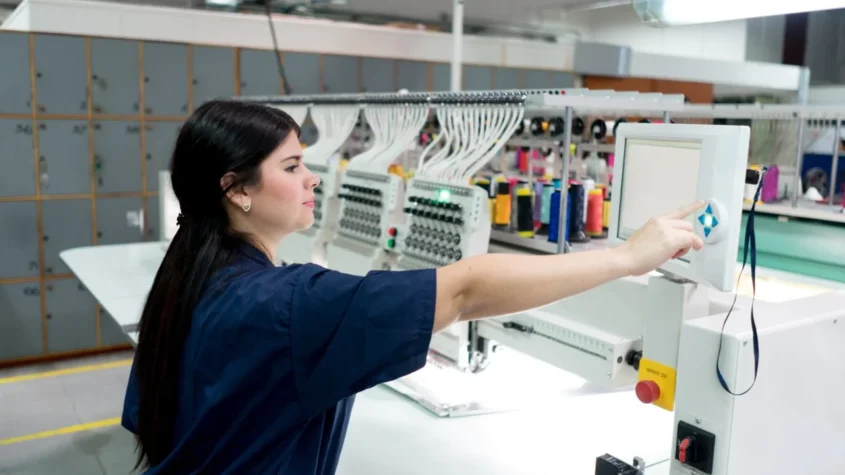
You’ve spent time perfecting your embroidery design, saved it as a PXF file, and are ready to load it onto your Brother machine—only to be met with an error message, a blank screen, or a design that stitches out all wrong. Few things are as frustrating in the embroidery world as a file that refuses to cooperate. If you work with PXF File Embroidery, you’re not alone. This powerful, proprietary format for Brother’s PE-Design software is the bridge between your creativity and your machine, but sometimes that bridge can get a little shaky. This guide will walk you through the most common PXF-related issues, their likely causes, and clear, step-by-step fixes to get you back to stitching smoothly.
Introduction: The Role of the PXF File in Your Workflow
First, let’s understand what a PXF file is and why it’s so central. Think of your embroidery project like building a house. The PXF file is the architect’s complete set of blueprints and the project manager’s schedule, all in one. It’s the working project file created and used by Brother's PE-Design software. Unlike a final machine file (like a .PES), the PXF contains everything: your original image traces, stitch type edits, thread color palettes, sequencing notes, and multiple saved versions. It’s your editable master file.
The issue is that your Brother embroidery machine cannot read this master blueprint. It needs a simplified set of direct instructions, which is the .PES file you export from the PXF. Most "PXF file problems" are actually one of three things: a corrupted master file, an error during the export to .PES, or a misunderstanding of the workflow. Troubleshooting effectively means identifying which stage of the process is breaking down.
Common Issue #1: "My Brother Machine Won't Recognize the File"
The Problem: You transfer a file to your USB stick and plug it into your Brother machine, but the design doesn’t appear in the list, or you get an "incompatible file" error.
Likely Causes & Fixes:
-
You’re Trying to Use the PXF File Directly.
-
Fix: This is the most common mistake. Your embroidery machine cannot read the .PXF project file. You must open your PXF file in PE-Design and export it as a .PES (or .PEC, .DST, etc.) file. Go to File > Save As and change the "Save as type" to the correct format for your specific Brother model (PES is common). Use this exported file on your machine, not the PXF.
-
-
The File Format is Incorrect for Your Machine.
-
Fix: Not all Brother machines use the same final format. A Baby Lock Ellisimo might use .PES, while an industrial Barudan uses .DST. Double-check your machine’s manual for the exact supported format. Within PE-Design, ensure you’re exporting to the correct one.
-
-
The USB Stick is Not Formatted Correctly.
-
Fix: Older Brother machines can be picky about USB drives. They often require drives formatted to the FAT32 file system (not exFAT or NTFS). Back up your USB stick, then reformat it to FAT32 using your computer’s disk utility tool. Also, use a smaller capacity stick (under 32GB is recommended).
-
Common Issue #2: "My Design is Missing Elements or Colors After Export"
The Problem: The design looks perfect in your PE-Design software window, but when you stitch it out or open the exported .PES file on the machine, parts are missing, or colors have changed.
Likely Causes & Fixes:
-
Objects are Hidden or in a Disabled Layer.
-
Fix: PE-Design allows you to hide elements or work on different layers. Before exporting, go to your layer or object palette and ensure every part of your design is visible and enabled. A quick review can save a stitch-out.
-
-
The Export Settings are Flawed.
-
Fix: When you do File > Save As, click the "Options" or "Settings" button. Ensure that the export range includes your entire design and that the "Maximum Stitch" limit isn’t cutting off parts of your file. Also, verify that the color information is set to export.
-
-
Corrupted Thread Color Table.
-
Fix: Sometimes, the link between the digital color in the PXF and the physical thread brand can break. Before exporting, manually check your color palette in PE-Design. Re-assign colors if necessary, or change the thread brand setting (e.g., from Madeira to Isacord) under the palette options to see if it corrects the display.
-
Common Issue #3: "The PXF File is Corrupted or Won't Open"
The Problem: PE-Design crashes when you try to open your PXF file, or you get a specific error message stating the file is damaged.
Likely Causes & Fixes:
-
Software Version Incompatibility.
-
Fix: A PXF file created in a newer version of PE-Design (like version 11) may not open correctly in an older version (like version 8). Check your software version. If you’re sharing files, always save down to a compatible version or export as a .PES and re-import if you must collaborate across versions.
-
-
The File Did Not Save Properly.
-
Fix: A computer crash or power outage while the PXF was open can corrupt it. This is why regular backup saves are crucial. PE-Design sometimes creates auto-recovery files. Look for files with a .BAK or .ASD extension in your project folder and try renaming them to .PXF.
-
-
The Master File is Beyond Repair.
-
Fix: If the file is truly corrupted and you have no backup, your last resort is to go back to an earlier saved version. If that doesn’t exist, you may need to recreate the design. In the future, adopt a saving habit: use "Save As" to create incremental versions (e.g., Logo_Design_v1.pxf, Logo_Design_v2.pxf) so you never lose all your work.
-
Common Issue #4: "The Design Stitches Poorly (Puckering, Thread Breaks)"
The Problem: The file exports and loads fine, but the physical stitch quality is bad. This points to a problem within the design itself, saved in the PXF.
Likely Causes & Fixes:
-
Insufficient or Incorrect Underlay.
-
Fix: Open your PXF file and examine the stitch properties for large fill areas. Missing underlay is a prime cause of puckering. Select the fill object, open the stitch property window, and add a center run or edge run underlay to stabilize the fabric.
-
-
Stitch Density is Too High.
-
Fix: Dense designs become stiff and cause thread breaks. Select objects, especially text fills, and reduce the stitch density (e.g., from 0.40mm to 0.50mm). You’ll save thread and get a softer, better-looking result.
-
-
Improper Pull Compensation.
-
Fix: When stitches pull, they can cause gaps between objects. In your PXF, use the pull compensation tool to slightly overlap adjoining color sections, which will compensate for the fabric pull and create a seamless look.
-
Proactive Practices: How to Avoid PXF Problems Altogether
An ounce of prevention is worth a pound of troubleshooting. Build these habits into your PXF File Embroidery workflow.
-
Master the Export Chain: Always remember: PXF (PE-Design Project File) -> .PES (Machine File) -> USB -> Machine. Never try to skip a step.
-
Version Control is Your Friend: Use "Save As" frequently with version numbers. This gives you a safe point to return to if the latest file becomes corrupted.
-
Dedicate a USB Drive: Use one small-capacity, FAT32-formatted USB stick exclusively for your embroidery machine to avoid formatting errors.
-
Stitch a Test Sample: Before running your final project, always stitch the exported .PES file on a scrap piece of your project fabric. This catches digitizing errors (density, pull comp) that aren't visible on screen.
-
Keep Software Updated: Ensure your version of PE-Design is up-to-date with the latest patches from Brother, which often fix known bugs.
Conclusion: Regaining Control of Your Embroidery Process
Troubleshooting PXF File Embroidery issues is less about technical wizardry and more about understanding a logical workflow. Most problems stem from a handful of common missteps: using the wrong file type, overlooking software settings, or neglecting the fundamentals of good digitizing within the PXF project itself.
By systematically checking your process—from the integrity of your master PXF file, to the correctness of your export settings, to the compatibility of your transfer media—you can diagnose and fix nearly every common Brother embroidery issue. Remember, the PXF file is your creative command center. Treat it with care through regular saves and backups, and it will reliably serve as the foundation for countless successful embroidery projects. Now, open up that problematic project, apply these fixes, and get back to what you love—creating stunning, stitch-perfect designs.

 English
 Arabic
 French
 Spanish
 Portuguese
 Deutsch
 Turkish
 Dutch
Dutch
 Italiano
 Russian
 Romaian
 Portuguese (Brazil)
