
What Tests Are Done for Abdominal Pain Diagnosis?
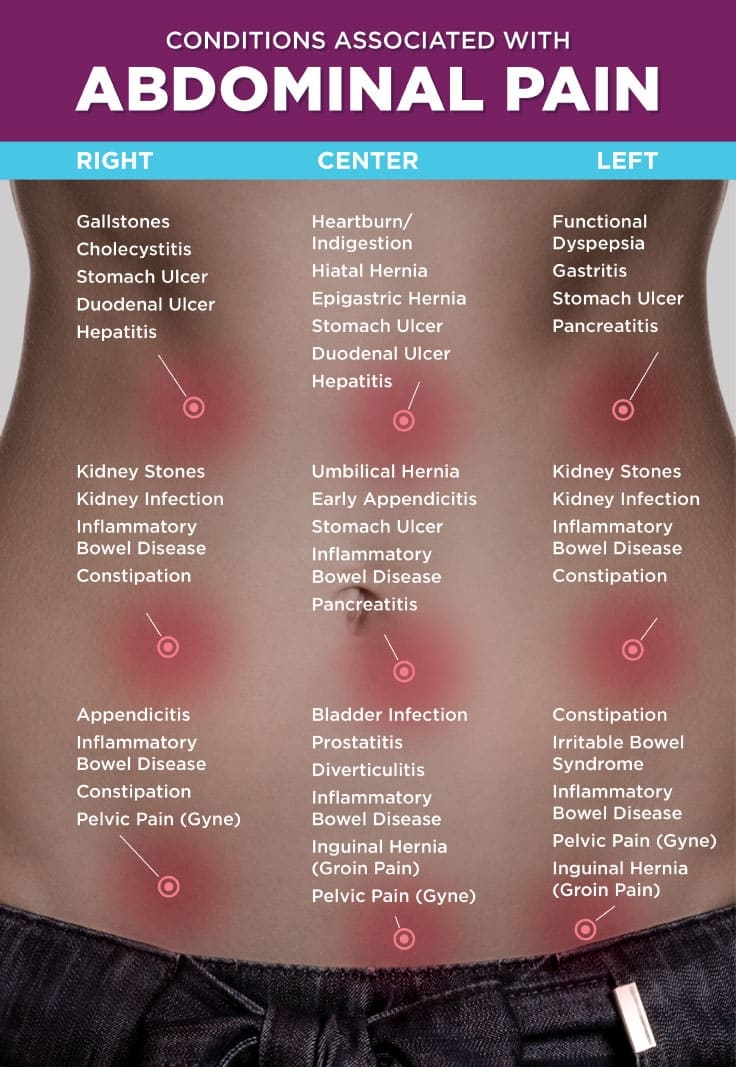
Abdominal pain is one of the most common reasons people seek medical care, and its causes range from mild digestive issues to serious, life-threatening conditions. Because the abdomen contains many vital organs including the stomach, intestines, liver, pancreas, kidneys, and reproductive organs accurate diagnosis requires a structured approach. Doctors rely on a combination of clinical evaluation, laboratory tests, and imaging studies to determine the underlying cause.
Below is a comprehensive overview of the tests commonly performed for diagnosing abdominal pain, along with how they guide treatment decisions.
1. Clinical Evaluation (First Step)
Before ordering any tests, a physician conducts a detailed clinical assessment. This step is critical because it helps narrow down possible causes.
Medical History
The doctor will ask questions such as
- Location and nature of the pain (sharp, dull, cramping)
- Duration and onset (sudden or gradual)
- Associated symptoms (fever, vomiting, diarrhea, constipation)
- Dietary habits and recent travel
- Medication use, including antiparasitic drugs like Mebendazole
Physical Examination
The abdomen is examined for
- Tenderness
- Swelling or distension
- Guarding or rigidity
- Bowel sounds
This initial step often provides clues about whether the pain is due to infection, inflammation, obstruction, or other causes.
2. Blood Tests
Blood tests are among the most commonly ordered investigations for abdominal pain.
Complete Blood Count (CBC)
- Detects infection (high white blood cells)
- Identifies anemia or bleeding
Liver Function Tests (LFTs)
- Evaluate liver and gallbladder health
- Elevated enzymes may indicate hepatitis or gallstones
Pancreatic Enzymes (Amylase and Lipase)
- Elevated levels suggest pancreatitis
Electrolytes and Kidney Function
- Assess dehydration and kidney involvement
C-Reactive Protein (CRP)
- Indicates inflammation in the body
3. Urine Tests
Urinalysis helps detect:
- Urinary tract infections (UTIs)
- Kidney stones
- Blood in urine (hematuria)
This is particularly useful when pain is located in the lower abdomen or flank.
4. Stool Tests
Stool examination is essential when gastrointestinal infections or parasites are suspected.
What It Detects:
- Bacterial infections (e.g., Salmonella, E. coli)
- Parasites such as worms
- Occult (hidden) blood
In cases of parasitic infections causing abdominal discomfort, medications like Mebendazole are often prescribed after confirmation through stool testing. This is relevant in regions where parasitic infections are common, and searches like mebendazole australia often relate to treatment availability and guidelines.
5. Imaging Tests
Imaging plays a crucial role in visualizing internal organs and identifying structural abnormalities.
Ultrasound (USG)
- First-line imaging for many abdominal conditions
- Detects gallstones, kidney stones, and appendicitis
- Safe and non-invasive
X-ray
- Identifies bowel obstruction
- Detects perforation (free air in abdomen)
CT Scan (Computed Tomography)
- Provides detailed cross-sectional images
- Helps diagnose appendicitis, tumors, infections, and internal bleeding
- Often used in emergency settings
MRI (Magnetic Resonance Imaging)
- Used for detailed imaging when CT is not suitable
- Helpful in liver and pancreatic diseases
6. Endoscopy Procedures
Endoscopic tests allow direct visualization of the gastrointestinal tract.
Upper Endoscopy (EGD)
- Examines esophagus, stomach, and duodenum
- Detects ulcers, gastritis, and tumors
Colonoscopy
- Evaluates the colon and rectum
- Identifies polyps, inflammatory bowel disease (IBD), and cancer
These procedures may also involve biopsies for further analysis.
7. Specialized Tests
In some cases, additional tests are required for a precise diagnosis.
Pregnancy Test
- Essential for women of reproductive age
- Rules out ectopic pregnancy
Lactose Intolerance Test
- Determines inability to digest lactose
H. pylori Test
- Detects bacteria causing stomach ulcers
Breath Tests
- Used for diagnosing bacterial overgrowth or food intolerances
8. Diagnostic Laparoscopy
When non-invasive tests fail to identify the cause, a minimally invasive surgical procedure called laparoscopy may be performed.
Purpose
- Direct visualization of abdominal organs
- Diagnosis of conditions like endometriosis or unexplained pain
9. Role of Parasitic Infection Testing
In many parts of the world, parasitic infections are a significant cause of abdominal pain. Symptoms may include
- Cramping
- Diarrhea
- Weight loss
- Itching around the anus
Stool microscopy is the primary diagnostic method. Once confirmed, treatment typically involves antiparasitic medications such as Mebendazole. Interest in mebendazole australia often reflects concerns about availability, dosage, and regulatory guidelines in that region.
10. How Doctors Choose the Right Tests
The selection of tests depends on several factors
- Patient’s age and medical history
- Severity and location of pain
- Presence of red flag symptoms (fever, weight loss, bleeding)
For example
- Right lower abdominal pain suspected appendicitis ultrasound or CT scan
- Upper abdominal pain suspected gastritis endoscopy
- Chronic diarrhea stool test for parasites possible treatment with mebendazole
Conclusion
Diagnosing abdominal pain involves a systematic and multi-layered approach. From basic blood and urine tests to advanced imaging and endoscopy, each diagnostic tool provides valuable insights into the underlying cause. Early and accurate diagnosis is crucial to prevent complications and ensure effective treatment.
In cases involving infections especially parasitic ones timely testing and appropriate medication, such as mebendazole, can lead to rapid recovery. As healthcare access and awareness improve globally, including in regions like Australia where searches for “mebendazole australia” are common, patients are better equipped to seek timely diagnosis and treatment.
If abdominal pain persists or worsens, it is essential to consult a healthcare professional promptly rather than relying on self-diagnosis.

 English
 Arabic
 French
 Spanish
 Portuguese
 Deutsch
 Turkish
 Dutch
Dutch
 Italiano
 Romaian
 Portuguese (Brazil)
 Greek
Greek
