
Commercial Kitchen Equipment: The Backbone of Every Successful Food Business
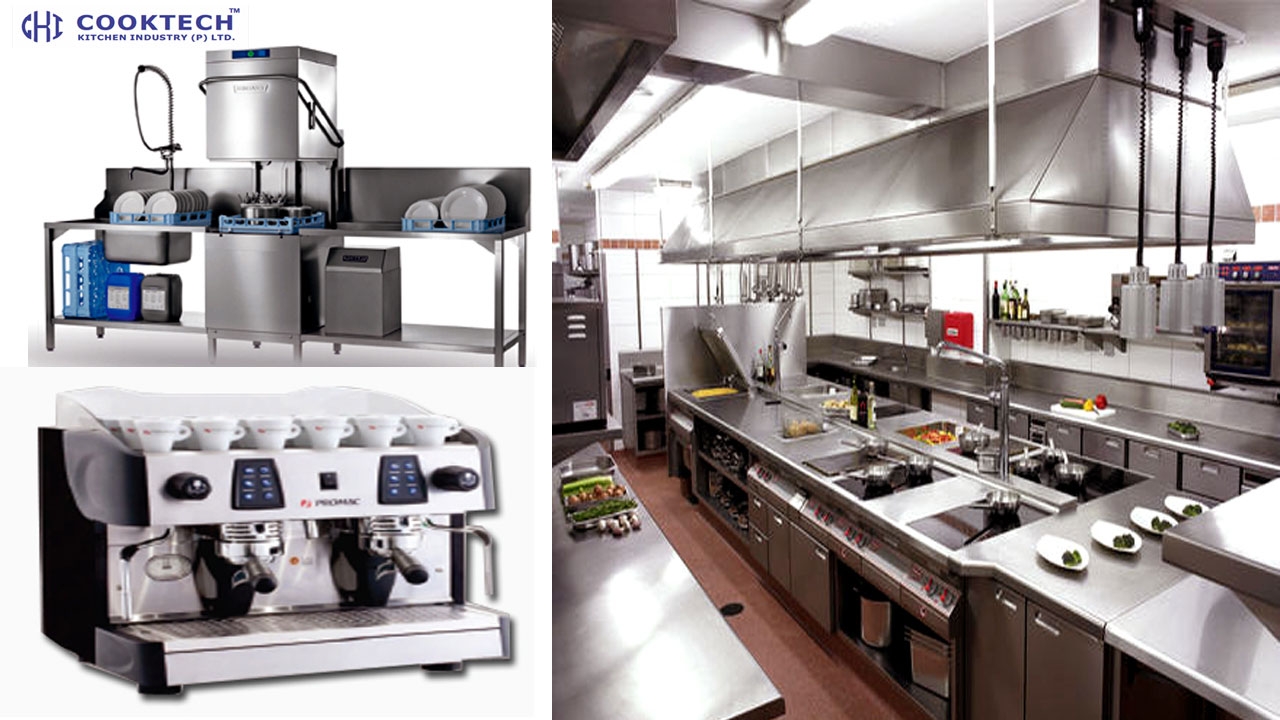
To operate a restaurant, a hotel, a bakery, or any other food-related business, one does not require just food; one needs proper commercial kitchen equipment that ensures efficient, swift, and hygienic cooking and preparation.
Commercial kitchen equipment refers to machines designed for tough workloads. These machines are made to work in demanding settings, such as those requiring long working hours, extensive cooking volume, and high pressure situations. Unlike residential machines, commercial kitchen equipment is designed for quick and sturdy performance.
What is Commercial Kitchen Equipment?
Commercial kitchen equipment refers to professional-grade tools, machines, and appliances used in restaurants, hotels, cafeterias, cloud kitchens, and catering units. These equipment help in preparing, cooking, storing, and serving food in a fast and organized way. From cooking ranges and ovens to refrigeration units and preparation tables, every item plays a key role in kitchen operations.
Importance of Commercial Kitchen Equipment
It is vital for food companies to have all the necessary equipment in their kitchens. The presence of equipment allows them to work fast, and there will be no delays and misunderstandings. Also, it helps to keep good hygiene conditions because they are essential in the food industry.
Quick cooking is an advantage provided by commercial equipment. The presence of high-quality burners, ovens, and fryers allows preparing food very quickly. This enables restaurant owners to provide their services to many clients simultaneously.
Another key advantage is efficiency. If there is all necessary equipment in the kitchen, it works systematically and effectively. Workers do not spend extra time on looking for something or delaying the process in any way.
The maintenance of hygiene is also much easier due to the use of commercial-grade machines that are often manufactured using stainless steel material, making them easy to clean.
Another major benefit of using commercial-grade equipment is that of consistency in terms of quality. Commercial equipment ensures that the conditions of cooking remain consistent each time, ensuring that food tastes just the way you want it to. Another crucial advantage of using such equipment is durability.
Types of Commercial Kitchen Equipment
A professional kitchen requires different types of equipment depending on the business needs. Cooking equipment forms the core of any kitchen. This includes gas ranges, induction cooktops, deep fryers, grills, tandoors, and ovens. These machines are used for daily cooking operations and handle the majority of food preparation work.
Refrigeration equipment is equally important because it helps store raw materials safely. Refrigerators, freezers, and chillers ensure that ingredients like dairy, vegetables, meat, and seafood remain fresh for longer periods.
Food preparation equipment includes tools that help in cutting, mixing, grinding, and processing ingredients. Machines like mixers, grinders, dough kneaders, and vegetable cutters reduce manual effort and save valuable time in the kitchen.
Storage and handling equipment play a major role in keeping the kitchen organized. Proper racks, shelves, ingredient bins, and utility trolleys ensure everything is placed in order, making operations smooth and clutter-free.
Washing and cleaning equipment is essential for maintaining hygiene standards. Dishwashers, sink units, and pot washing areas help keep utensils clean and ready for reuse. Exhaust and ventilation systems are also important as they remove heat, smoke, and strong cooking odors, creating a safe and comfortable working environment for kitchen staff.
How to Choose the Right Commercial Kitchen Equipment
Choosing the right equipment depends on several factors. The type of business is the first consideration because a restaurant, bakery, and hotel kitchen all have different requirements. Understanding the menu and daily workload helps in selecting the right machines.
Kitchen space is another important factor. Equipment should be chosen according to available space so that movement inside the kitchen remains smooth and efficient. Compact and smartly designed equipment works best for smaller kitchens.
Energy efficiency also plays a big role because commercial kitchens run for long hours. Energy-saving equipment helps reduce electricity and gas costs over time. Material quality is equally important, and stainless steel is preferred due to its strength, durability, and easy maintenance.
After-sales service should also be considered while purchasing equipment. Installation support, regular maintenance, and quick repair services ensure smooth long-term operations.
Benefits of Modern Commercial Kitchen Equipment
Modern kitchen equipment comes with advanced features that improve performance and make cooking easier. Many machines now include temperature control systems, automated settings, safety features, and energy-saving technology. These improvements reduce manual effort and increase cooking precision.
With better technology, kitchen operations become faster and more reliable. Staff can handle large orders with ease, reduce mistakes, and maintain consistency in food preparation.
Common Mistakes to Avoid
Many new restaurant owners make mistakes while setting up their kitchen. One of the most common mistakes is choosing low-quality equipment to save initial cost, which often leads to frequent breakdowns and higher maintenance expenses later.
Another mistake is ignoring proper kitchen layout planning. Without a well-planned layout, workflow becomes slow and unorganized. Choosing oversized or undersized equipment is also a common issue that affects kitchen efficiency.
Ignoring ventilation systems and maintenance support can also create long-term problems. A poorly ventilated kitchen becomes uncomfortable and unsafe for staff, affecting overall productivity.
Final Thoughts
Commercial kitchen equipment is the foundation of every successful food business. It directly impacts cooking speed, food quality, hygiene, and overall efficiency. A well-planned kitchen with the right equipment helps businesses operate smoothly and serve customers better.

 English
 Arabic
 French
 Spanish
 Portuguese
 Deutsch
 Turkish
 Dutch
Dutch
 Italiano
 Romaian
 Portuguese (Brazil)
 Greek
Greek
