
What Exactly Is the Gig Economy?
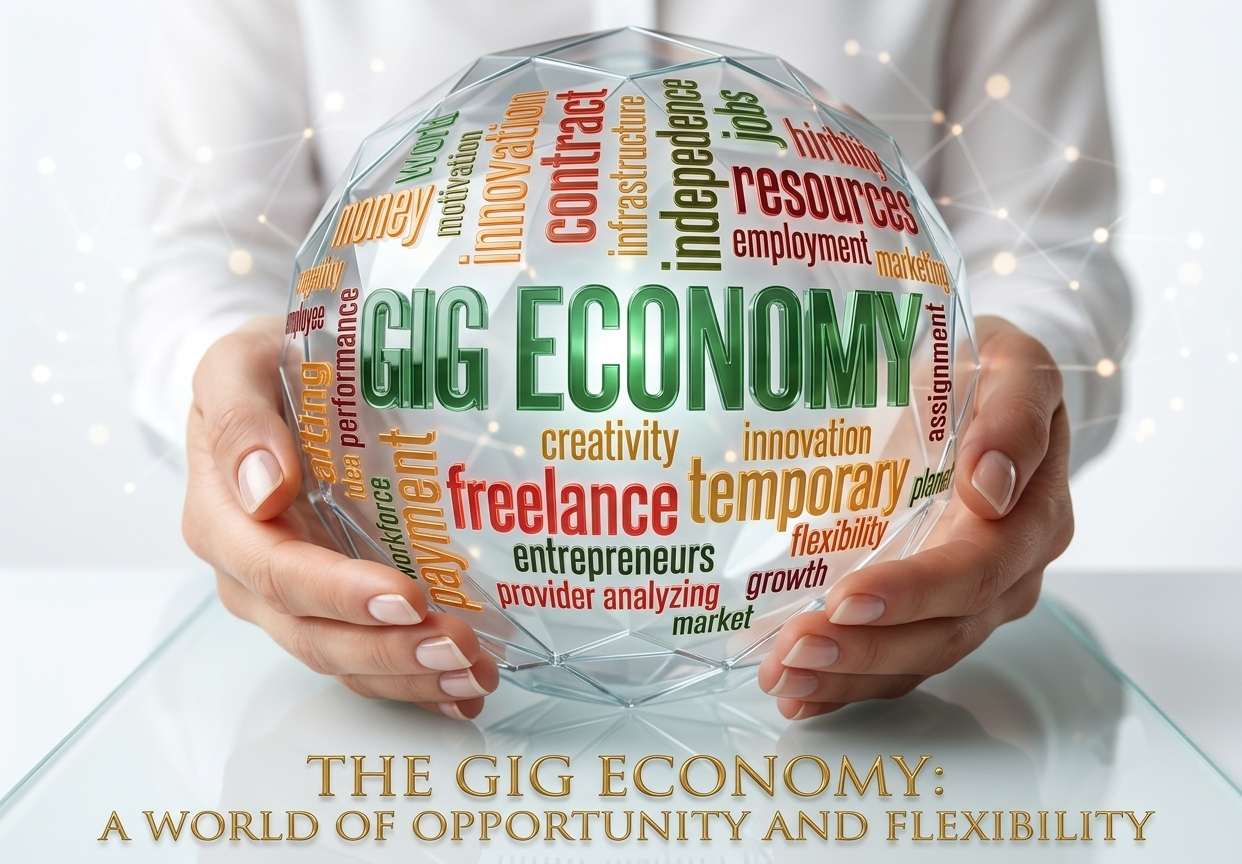
Navigating the Shift: What Exactly Is the Gig Economy?
Step into any local coffee shop, and you’ll likely see them: laptops open, headphones in, fiercely typing away. Step outside, and you'll see rideshare drivers and food delivery couriers navigating the streets.
This isn't just a temporary trend. It is the gig economy in full swing, and it has fundamentally changed how the world works. But what exactly does it mean, and why is everyone talking about it?
Defining the "Gig"
At its core, the gig economy is a labor market characterized by the prevalence of short-term contracts or freelance work, as opposed to permanent, full-time jobs. Instead of receiving a regular salary from a single employer, "gig workers" are paid for each individual "gig" (or task) they complete.
While freelancing has existed for decades, the modern gig economy is powered by digital platforms and apps that instantly connect service providers with consumers.
The Two Main Types of Gig Work
-
Service-Based (On-Demand): Physical tasks managed through apps, such as ridesharing (Uber, Lyft), food delivery (DoorDash, InstaCart), or manual labor (TaskRabbit).
-
Knowledge-Based (Freelancing): Remote, skilled work managed through digital marketplaces like Upwork, Fiverr, or TopCoder. This includes writing, graphic design, coding, marketing, and consulting.
Why Is Everyone Joining the Gig Market?
The gig economy didn't explode by accident; it offers distinct advantages for both workers and companies.
The Flip Side: It’s Not All Freedom and Flexibility
While the gig economy offers incredible independence, it also comes with a unique set of challenges that workers must navigate:
-
Income Instability: There are no guaranteed paychecks. Some months are incredibly lucrative, while others can be dangerously slow.
-
No Safety Net: Gig workers are classified as independent contractors. This means no employer-sponsored health insurance, no paid time off, no sick leave, and no retirement contributions.
-
The Hustle Tax: You are your own boss, which means you are also your own HR, accounting, and marketing department. Tracking taxes and expenses falls entirely on your shoulders.
The Verdict: Is the Gig Economy Here to Stay?
Absolutely. The traditional 9-to-5 model isn't disappearing entirely, but it is no longer the only path to a successful career.
Whether you view it as a liberating shift toward ultimate work-life autonomy or a stressful hustle, the gig economy has redefined modern labor. For those who value freedom above all else and don't mind a bit of unpredictability the gig life might just be the perfect fit.

 English
 Arabic
 French
 Spanish
 Portuguese
 Turkish
 Dutch
Dutch
 Italiano
 Russian
 Romaian
 Portuguese (Brazil)
 Greek
Greek
