
Energy Considerations in Distillation Unit Operations
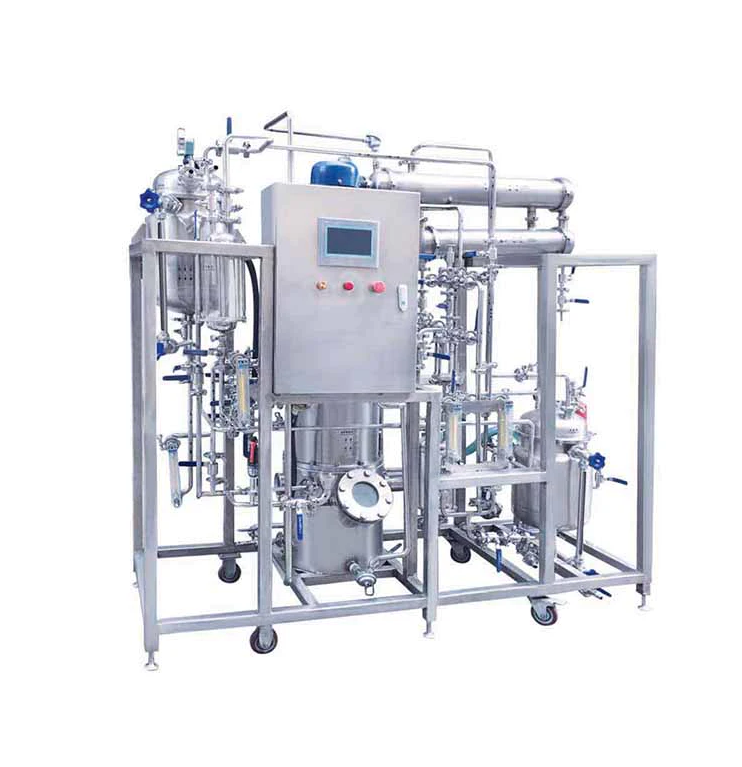
Energy management is an important topic in facilities that rely on a Distillation Unit. Because distillation involves heating, vaporization, condensation, and fluid circulation, energy consumption can represent a significant portion of operating costs. As a result, many organizations evaluate ways to improve efficiency while maintaining product specifications.
A typical Distillation Unit separates components according to their boiling characteristics. The process begins when a feed mixture enters the column and encounters a controlled temperature environment. Lighter substances tend to move upward as vapor, while heavier materials remain closer to the lower section of the system. Through repeated contact between vapor and liquid phases, separation becomes progressively more refined.
One approach to improving Distillation Unit efficiency involves heat integration. Facilities may recover thermal energy from one process stream and transfer it to another stream that requires heating. This strategy can reduce the demand placed on external energy sources and contribute to smoother plant operation.
Column design is another factor that influences performance. Engineers select tray arrangements, packing materials, column diameter, and column height based on process requirements. These design choices affect mass transfer, pressure drop, and fluid distribution within the Distillation Unit. Careful planning during the design phase can support consistent production outcomes.
Automation technologies are becoming increasingly common in modern processing plants. Sensors installed throughout a Distillation Unit provide continuous measurements of temperature, pressure, flow rate, and liquid levels. Data from these instruments can be analyzed by control systems that adjust operating conditions when necessary. Such monitoring capabilities help reduce process variability and improve operational awareness.
Preventive maintenance contributes to energy efficiency as well. Deposits inside heat exchangers can interfere with heat transfer, causing equipment to consume additional energy. Routine cleaning and inspection programs help address these issues before they affect production. Likewise, maintaining pumps and valves in good condition supports reliable fluid movement throughout the system.
Environmental considerations have also encouraged improvements in Distillation Unit technology. Manufacturers and facility operators often seek methods that reduce emissions, optimize resource utilization, and support long-term sustainability objectives. Enhanced insulation, advanced control strategies, and improved equipment configurations are examples of measures commonly explored.
The Distillation Unit continues to serve as a valuable process solution in various industries. Through careful engineering, maintenance planning, and operational management, facilities can support consistent separation performance while addressing evolving production requirements.
https://www.cxcemachine.com/product/highgravity-distillation-rotating-zigzag-bed/
 Spanish
 English
 Arabic
 French
 Portuguese
 Deutsch
 Turkish
 Dutch
Dutch
 Italiano
 Russian
 Romaian
 Portuguese (Brazil)
 Greek
Greek
