
How to Measure a Team for Uniforms So Everything Actually Fits
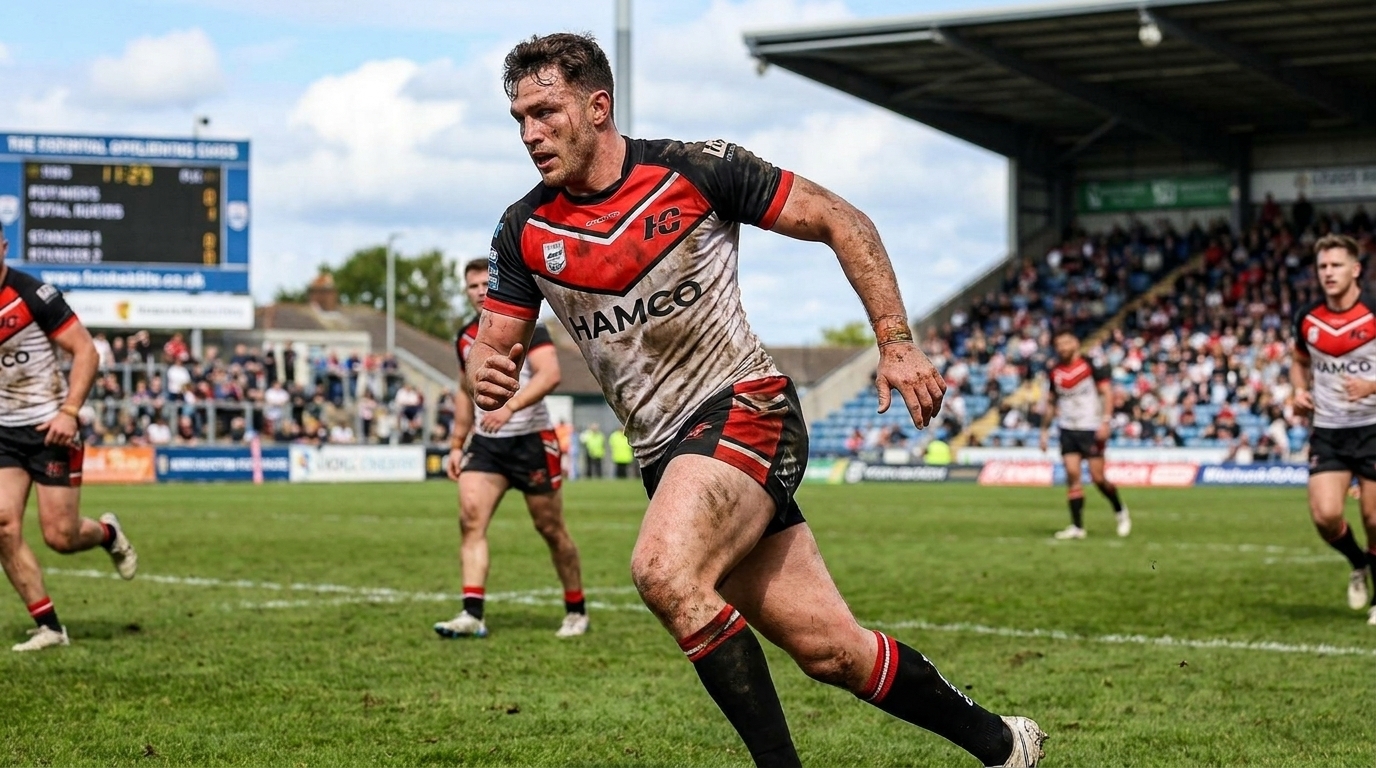
Ask anyone who has ordered team uniforms what went wrong, and sizing comes up more than any other answer. The design was perfect, the colors were sharp, and then the gear arrived and half of it did not fit right. It is the single most common way a uniform order disappoints, and it is almost entirely preventable. Getting the sizing right across a whole team takes a little effort up front, but it saves the frustration and expense of do overs later. Here is a clear guide to measuring a team for uniforms so everything actually fits.
Why Sizing Goes Wrong
Understanding why sizing fails helps you avoid it. The most common cause is guessing instead of measuring. Players self report a size based on a shirt they own, growing kids guess based on last season, and the numbers that come back are unreliable. Another cause is assuming that sizes are universal, when in fact a medium from one maker is not always a medium from another, so a size chart from the actual supplier matters. And a third is rushing the process, gathering sizes in a chaotic few minutes rather than doing it properly. Almost every sizing problem traces back to one of these, which means almost every one is avoidable with a bit of care.
Measure, Do Not Guess
The core rule is simple, measure your players rather than relying on guesses. Taking actual measurements, even basic ones, is far more reliable than self reported sizes, especially for young athletes who may not know their current size. Set aside time to measure the whole team in one organized session rather than collecting sizes piecemeal, and write everything down in one place. Keep that record, since it makes reordering and adding players much easier later. This one habit, measuring properly and recording it, prevents the majority of fit problems, and it takes only a single practice session to do for a whole roster.
Know the Key Measurements
You do not need to be a tailor, but knowing the key measurements helps. For tops, chest measurement is usually the most important, taken around the fullest part of the chest, along with a sense of the athlete's height and build. For bottoms, waist and inseam matter most. Always check the specific supplier's size chart to see which measurements they rely on and how their sizes map to those numbers, since this varies. Following the chart from the company actually making your gear, rather than a generic one, is what ensures the measurements translate correctly to the right size. When in doubt on a between sizes call, consider how the athlete likes the fit and any room needed for movement.
Use Sizing Samples When You Can
One of the best ways to remove sizing doubt is to try gear on before committing the whole order. Many quality suppliers offer sizing samples or sample kits, actual garments in a range of sizes that players can try on to find their fit. Because good suppliers have no minimums, you can also often order a single sample piece first to check the fit and feel before ordering for the entire team. This step is especially valuable for a first order with a new supplier, since it confirms how their sizes actually run on real bodies. Companies that make custom team gear, such as Hamcospo, provide sizing guidance to help teams get this right, since a good fit is what makes a great design actually work. Trying before buying the full order is the surest way to avoid surprises.
Plan for Growing Athletes
Youth teams face an extra challenge, since kids grow, and nobody wants to reorder in a few months. The temptation is to oversize, but that is usually a mistake, since a uniform that is too big looks sloppy, can be a safety and performance issue, and gives opponents loose fabric to grab in some sports. A better approach is to allow a modest amount of room rather than jumping multiple sizes, prioritizing a fit the athlete can actually play in now. Guidance from youth sports organizations, including bodies like Pop Warner, emphasizes properly fitting gear for young athletes for both performance and safety. A well fitting uniform today beats a baggy one a child might grow into next year.
Conclusion
Getting team uniforms to fit is not complicated, it just requires doing the sizing properly instead of guessing. Measure your players in one organized session, use the actual supplier's size chart, take advantage of sizing samples when you can, record everything for future orders, and resist the urge to oversize young athletes. Do these things and your uniform order arrives fitting the way it should, so a great design looks great on every player. The few minutes of care that sizing takes up front is what stands between a smooth order and a frustrating round of returns and do overs. Measure well, and everything else falls into place.
Frequently Asked Questions
Why do team uniforms often not fit? Usually because players guess their size instead of being measured, sizes are assumed to be universal, or the process is rushed. Measuring prevents this.
What measurements do I need for uniforms? Chest is key for tops, along with height and build, and waist and inseam for bottoms. Always check the specific supplier's size chart.
Should I order a sample before the full order? Yes, when you can. Many suppliers offer sizing samples or single sample pieces, which is the best way to confirm fit before committing the whole order.
How much room should I allow for growing kids? A modest amount. Avoid oversizing, since a uniform that is too big looks sloppy and can affect safety and performance. Prioritize a fit they can play in now.
How do I make reordering easier? Measure the whole team in one session and record everything, so you have accurate sizes on hand when adding players or ordering replacements later.

 English
 Arabic
 Spanish
 Portuguese
 Deutsch
 Turkish
 Dutch
Dutch
 Italiano
 Russian
 Romaian
 Portuguese (Brazil)
 Greek
Greek
