
Lower Back Pain Dubai: Improving Quality of Life Through Rehabilitation
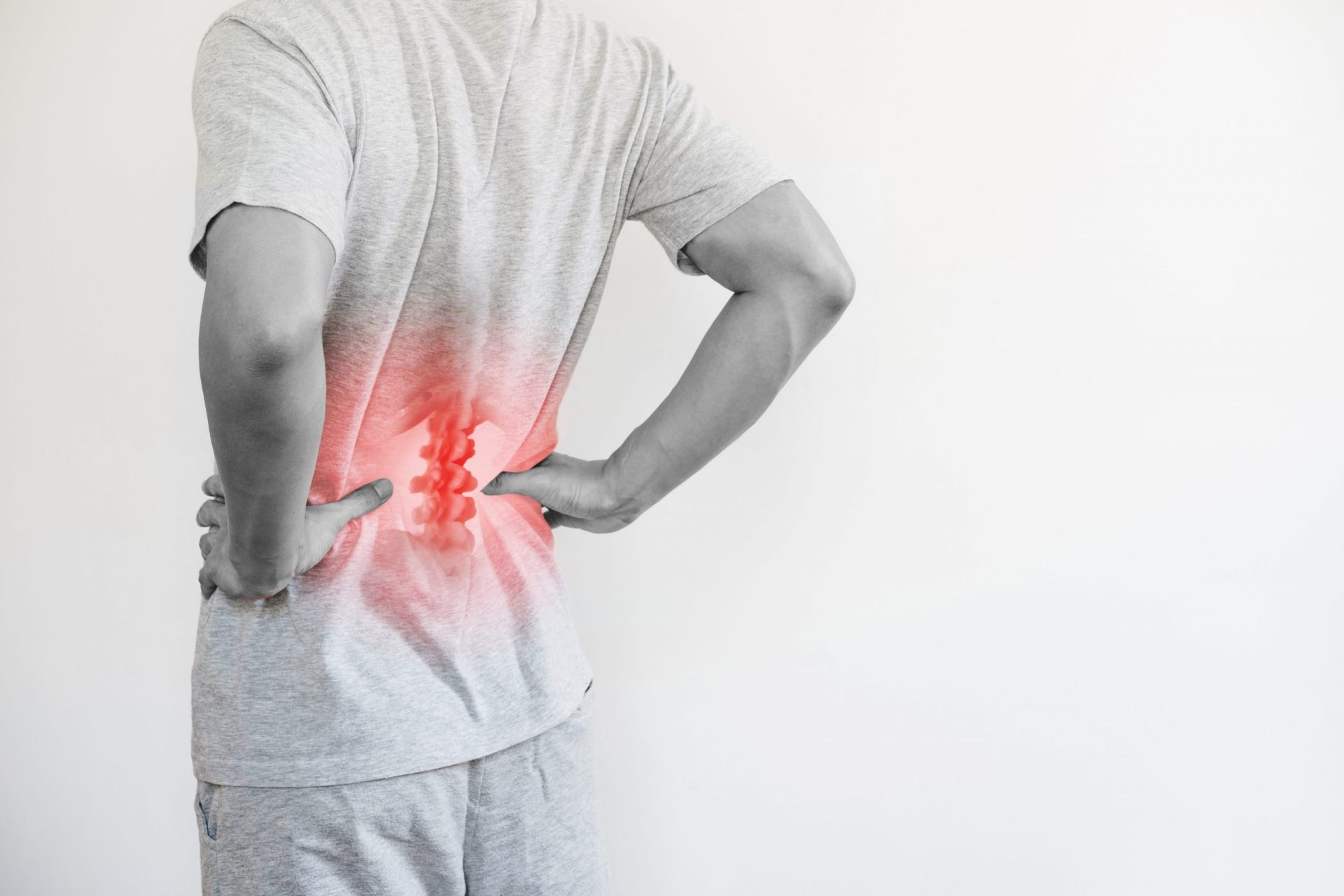
Lower back pain is one of the most common physical complaints and can affect people from almost every age group and lifestyle. It may interfere with walking, sitting, working, exercising, sleeping, and completing everyday responsibilities. For some people, discomfort develops after an injury or physically demanding activity, while others experience symptoms gradually because of prolonged sitting, reduced physical activity, repetitive movements, or changes in movement patterns.
Finding appropriate Lower Back Pain Dubai treatment begins with understanding the individual's symptoms and physical condition. Physiotherapy can provide a structured rehabilitation approach focused on improving mobility, rebuilding strength, developing better movement control, and gradually returning to normal activities.
At Vitruvian Italian Physiotherapy Center, rehabilitation programs can be customized according to individual needs and functional goals. Rather than focusing only on temporary symptom relief, physiotherapy can address physical limitations that may be affecting movement and quality of life.
Understanding Lower Back Pain
The lower back contains the lumbar spine, muscles, joints, discs, nerves, and supporting tissues that work together during movement. Because this area is involved in bending, lifting, walking, sitting, and standing, it can be exposed to considerable physical demands.
Lower back pain can range from mild discomfort to symptoms that significantly interfere with normal activities. Some people experience short-term episodes, while others develop recurring or persistent symptoms.
The experience of back pain can also vary considerably. One person may feel stiffness, while another may experience aching, localized discomfort, or symptoms extending into the buttocks or legs.
Common Causes of Lower Back Pain
Lower back pain can have many possible contributors. Common factors include:
- Muscle strain
- Repetitive physical activity
- Prolonged sitting
- Reduced physical activity
- Poor movement habits
- Sudden increases in exercise
- Lifting-related strain
- Reduced core or hip strength
- Limited mobility
- Previous injuries
In some cases, lower back symptoms can be associated with conditions involving spinal discs, joints, or nerves.
Because there are many potential causes, professional assessment can help determine an appropriate rehabilitation strategy.
How Lower Back Pain Can Affect Quality of Life
Back pain can influence much more than physical comfort. When movement becomes difficult, people may reduce exercise, avoid social activities, change their working habits, or struggle with household tasks.
Common challenges may include:
- Difficulty sitting for extended periods
- Trouble standing for long periods
- Reduced walking ability
- Difficulty lifting objects
- Interrupted exercise routines
- Sleep discomfort
- Reduced work productivity
- Avoidance of recreational activities
A rehabilitation program can focus on restoring physical abilities so individuals can gradually return to the activities that are important to them.
Why a Comprehensive Assessment Is Important
A personalized rehabilitation program starts with understanding the individual's symptoms and movement limitations.
A physiotherapist may discuss:
- When symptoms began
- Previous injuries
- Work activities
- Exercise habits
- Daily routines
- Movements that increase discomfort
- Movements that provide relief
- Previous treatment
- Personal rehabilitation goals
The physical assessment may evaluate spinal mobility, hip movement, muscle strength, balance, posture, walking, and functional movements.
The findings help guide the development of an individualized treatment plan.
The Role of Physiotherapy in Lower Back Rehabilitation
Physiotherapy can be an important part of managing many forms of lower back pain. Treatment can focus on improving movement and physical capacity rather than relying solely on passive approaches.
Depending on the individual's assessment, physiotherapy may include:
- Therapeutic exercises
- Strength training
- Mobility exercises
- Core conditioning
- Hip strengthening
- Manual therapy
- Movement retraining
- Postural education
- Activity modification
- Home exercise programs
The treatment plan can be adjusted as the individual progresses.
Restoring Lower Back Mobility
Stiffness can make everyday movement more difficult. Appropriate mobility exercises may help individuals regain comfortable movement in the lower back and surrounding areas.
Exercises may focus on controlled spinal movement and hip mobility. The specific exercises should be selected according to the individual's symptoms and physical assessment.
The objective is to develop useful movement rather than simply increasing flexibility.
Strengthening the Core
The muscles around the abdomen, back, pelvis, and hips contribute to movement and physical stability.
A personalized rehabilitation program may include core exercises that gradually build strength and endurance.
Depending on the individual's abilities, exercises can progress from simple activation movements to more challenging functional activities.
Core strengthening can be especially useful for people who want to return to exercise, manual work, or sports.
Strengthening the Hips and Glutes
The hips and lower back work together during walking, squatting, lifting, and other movements. Strengthening the gluteal and hip muscles can therefore form part of a comprehensive back rehabilitation program.
Exercises may include:
- Bridges
- Hip abduction exercises
- Squats
- Step-ups
- Lunges
- Resistance exercises
- Single-leg movements
Exercise difficulty can be increased gradually according to strength and movement control.
Movement Retraining
Pain can sometimes cause people to change how they move. For example, someone may avoid bending or place additional strain on another part of the body.
Movement retraining helps individuals develop confidence in performing functional movements.
A physiotherapist may assess:
- Bending
- Squatting
- Lifting
- Walking
- Sitting and standing
- Stair climbing
- Reaching
- Rotational movements
The goal is to improve movement efficiency and functional confidence.
Lower Back Pain and Office Work
Office workers often spend many hours sitting at desks. Remaining in one position for long periods can contribute to stiffness and discomfort.
Physiotherapy can include education about movement habits and workstation setup.
Useful strategies may include:
- Changing position regularly
- Taking short movement breaks
- Performing appropriate mobility exercises
- Adjusting the workstation
- Incorporating regular physical activity
The objective is to avoid prolonged static positioning and encourage comfortable movement throughout the workday.
Lower Back Pain and Physical Activity
People experiencing back pain may become less physically active because movement feels uncomfortable. However, excessive inactivity can contribute to reduced strength and conditioning.
A physiotherapist can help determine suitable activities based on the individual's symptoms and functional capacity.
Walking, controlled strengthening, mobility exercises, and other forms of appropriate activity may be introduced progressively.
As physical abilities improve, exercise intensity can gradually increase.
Manual Therapy for Lower Back Pain
Manual therapy can sometimes be incorporated into a broader physiotherapy program. Depending on the assessment, hands-on techniques may be used to support mobility and comfortable movement.
Manual therapy can complement active rehabilitation, particularly when combined with strengthening and movement exercises.
Active participation allows individuals to develop the physical capacity required for everyday activities and exercise.
Progressive Exercise Programs
A rehabilitation program should evolve over time. As strength, mobility, and exercise tolerance improve, exercises can become more challenging.
Progression may involve increasing:
- Resistance
- Repetitions
- Exercise duration
- Movement complexity
- Balance demands
- Functional challenges
The physiotherapist can monitor progress and modify the program accordingly.
Returning to Exercise After Back Pain
For people who enjoy exercise, returning to normal training can be an important rehabilitation goal.
A gradual approach may begin with lower-intensity movements and progress toward more demanding exercises.
Gym users may need modifications to lifting exercises, while runners may require a gradual return to running. Athletes can receive sport-specific conditioning based on the requirements of their activity.
Lower Back Rehabilitation for Athletes
Athletes place different demands on the spine and surrounding muscles depending on their sport.
Football, tennis, weightlifting, running, cycling, and other activities may require different rehabilitation strategies.
A personalized program can address strength, mobility, coordination, endurance, and sport-specific movement patterns.
The goal is to help the athlete progressively rebuild the physical capacity required for training and competition.
Personalized Rehabilitation at Vitruvian Italian Physiotherapy Center
Every individual has different symptoms, physical capabilities, daily responsibilities, and rehabilitation goals.
At Vitruvian Italian Physiotherapy Center, physiotherapy can be customized around these individual factors.
A rehabilitation program may combine therapeutic exercises, mobility work, progressive strengthening, movement retraining, manual techniques, and functional training where appropriate.
This approach allows treatment to evolve according to the individual's progress rather than following a fixed routine.
The Importance of a Home Exercise Program
Physiotherapy sessions are only one part of rehabilitation. Patients may receive home exercises to continue their progress between appointments.
A home program may include mobility exercises, strengthening movements, stretching, or functional activities.
Following professional instructions consistently can help reinforce the work completed during clinical sessions.
The program can also be updated as the individual's physical capacity improves.
Lifestyle Changes That Support Back Rehabilitation
Several lifestyle habits can complement physiotherapy.
Individuals may benefit from:
- Maintaining regular physical activity
- Avoiding prolonged periods in one position
- Gradually increasing exercise levels
- Taking movement breaks during desk work
- Maintaining appropriate strength
- Practicing comfortable lifting techniques
- Following an individualized exercise program
These habits can support a more active and sustainable lifestyle.
Patient Education and Self-Management
Understanding lower back pain can help individuals make informed decisions about their activities and rehabilitation.
A physiotherapist can explain the purpose of exercises, how activity can be modified, and how physical capacity can be gradually rebuilt.
Education can also help patients understand that rehabilitation is an active process involving consistent movement and progressive exercise.
When to Seek Professional Evaluation
Persistent or recurring lower back pain can be a reason to seek professional assessment, especially when symptoms interfere with work, exercise, sleep, or everyday activities.
Professional evaluation is particularly important when back pain occurs alongside significant weakness, progressive numbness, changes in bladder or bowel function, numbness around the groin area, unexplained weight loss, fever, or other concerning symptoms.
A healthcare professional can determine whether physiotherapy is appropriate or whether additional medical assessment is required.
Choosing Lower Back Pain Treatment in Dubai
When searching for Lower Back Pain Dubai treatment, patients may want to choose a physiotherapy provider that offers comprehensive assessment and individualized rehabilitation.
Important factors can include:
- Qualified physiotherapy professionals
- Detailed physical assessment
- Personalized exercise programs
- Strength and mobility training
- Functional rehabilitation
- Movement education
- Progress monitoring
- Patient-centered care
A customized approach can make rehabilitation more relevant to the individual's lifestyle and goals.
Why Consider Vitruvian Italian Physiotherapy Center?
Vitruvian Italian Physiotherapy Center provides individualized physiotherapy and rehabilitation designed around patient-specific needs.
For individuals experiencing lower back pain, treatment can focus on improving mobility, strengthening supporting muscles, developing movement control, and progressively restoring functional capacity.
The rehabilitation plan can be modified as the patient progresses, helping treatment remain aligned with changing physical abilities and personal goals.
Supporting Long-Term Quality of Life
Improving lower back function can have benefits beyond physical movement. Being able to walk, exercise, work, sleep, and participate in everyday activities more comfortably can contribute to overall quality of life.
After completing a formal rehabilitation program, individuals can continue appropriate strengthening and mobility exercises to maintain their physical conditioning.
Developing sustainable movement habits can help people remain active and confident in their daily routines.
Conclusion
Lower back pain can affect many aspects of daily life, from work and exercise to sleep and household activities. A comprehensive rehabilitation approach can help address the physical limitations associated with back pain while gradually improving strength, mobility, and functional movement.
Physiotherapy can combine therapeutic exercise, mobility training, strengthening, movement retraining, manual techniques, education, and activity modification according to individual needs.
For individuals searching for Lower Back Pain Dubai treatment, Vitruvian Italian Physiotherapy Center offers an individualized approach focused on functional rehabilitation and patient-specific goals. With appropriate assessment and a progressive treatment plan, individuals can work toward improved mobility, greater physical confidence, and a better quality of life.
 English
 Arabic
 French
 Spanish
 Portuguese
 Deutsch
 Turkish
 Dutch
Dutch
 Italiano
 Russian
 Romaian
 Portuguese (Brazil)
 Greek
Greek
