
Choosing a Hair Transplant Clinic in Pakistan? What Should You Check Before Booking?
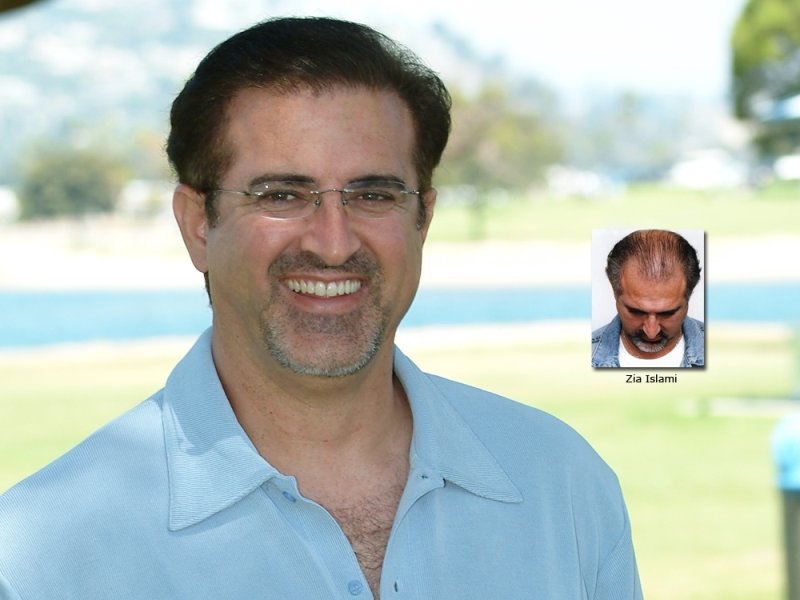
For many people, hair loss is not only a physical change. It can affect confidence, social interactions, and the way they feel about their appearance. A person may start avoiding photographs, changing hairstyles to hide thinning areas, or spending years looking for a solution.
This is why choosing a hair transplant clinic is a serious decision. The procedure may look simple from the outside, but achieving natural results requires medical knowledge, careful planning, and experience.
A person searching for treatment in Pakistan today has many options. Clinics advertise advanced techniques, attractive packages, and impressive results. However, choosing the right option requires looking beyond advertisements. The quality of a hair transplant depends on several important factors, including the surgeon’s expertise, patient evaluation process, safety standards, and realistic treatment planning.
The biggest mistake many patients make is treating hair transplantation like a normal cosmetic purchase. It is not only about finding a clinic with a good-looking website or the lowest price. It is about finding a medical team that understands your hair loss and provides honest guidance.
A careful decision before booking can prevent disappointment later.
Understand Your Hair Loss Before Choosing a Clinic
The first thing every patient should understand is that not all hair loss is the same.
Many people assume that losing hair automatically means they need a transplant. However, hair loss can happen for different reasons. Genetic hair loss, commonly known as male pattern baldness, is one of the most common reasons people consider transplantation. Other causes can include hormonal changes, nutritional problems, stress, certain medical conditions, or scalp disorders.
A professional clinic should first identify the cause of hair loss before suggesting any procedure.
During an initial consultation, a qualified doctor should examine the scalp, assess the donor area, understand the pattern of hair loss, and discuss what results are realistically possible.
The American Academy of Dermatology (AAD) explains that proper evaluation is an important part of hair transplant planning because suitability depends on factors such as the type of hair loss, available donor hair, scalp condition, and patient expectations.
This step is especially important for patients in Pakistan because many people begin their search by comparing prices or looking at social media results. While these things may help with initial research, they cannot replace a proper medical assessment.
A responsible clinic will not immediately promise a specific number of grafts or guarantee a perfect result. Instead, it will explain whether transplantation is suitable and what outcome can realistically be achieved.
The Surgeon’s Experience Should Be Your First Priority
When comparing hair transplant clinics, the experience of the surgeon should be one of the first things you check.
Hair transplantation requires more than technical equipment. It requires understanding hair growth patterns, facial proportions, graft placement, and long-term planning.
A natural-looking hairline is created through careful design. The surgeon needs to consider the patient’s age, facial structure, existing hair, and possible future hair loss. A poorly planned hairline may look unnatural even if the procedure itself is completed successfully.
Before booking, patients should understand who will actually perform the procedure. They should know the surgeon’s qualifications, experience in hair restoration, and approach toward treatment planning.
A good consultation should answer important questions such as:
Who will examine my hair loss?
Who will design my hairline?
Who will perform the surgical steps?
How many similar cases has the surgeon handled?
What type of result is realistic for my condition?
The involvement of a qualified surgeon is an important sign of a professional clinic. Patients should be careful with places where the doctor has little involvement and decisions are made mainly by sales staff.
The International Society of Hair Restoration Surgery (ISHRS) emphasizes the importance of ethical medical practices and professional standards in hair restoration. Proper evaluation and responsible treatment planning are considered essential parts of patient care.
Do Not Select a Clinic Only Because of Low Prices
Cost is an important factor for many Pakistani patients, and it is normal to compare prices before making a decision. However, choosing a clinic only because it offers the cheapest package can create problems.
A hair transplant involves medical expertise, trained staff, equipment, planning, and follow-up care. If any of these areas are compromised, the final result may not meet expectations.
Patients should understand what is included in the treatment cost. A proper clinic should clearly explain the procedure, estimated graft requirements, technique being recommended, and follow-up process.
The cheapest option is not always the most affordable choice in the long term. If the result is poor, correcting it later may require additional procedures, more cost, and more emotional stress.
A better approach is to compare values. This means looking at the surgeon’s experience, quality of care, safety practices, and patient results together.
A professional clinic focuses on creating suitable outcomes rather than competing only through low prices.
Learn About FUE and FUT Before Making a Decision
Many patients searching for hair restoration options come across two common terms: FUE and FUT.
Understanding these techniques helps patients ask better questions during consultation.
Follicular Unit Extraction (FUE) involves removing individual hair follicles from the donor area and placing them into areas where hair is thinning. Because follicles are extracted separately, it is widely used among patients who prefer minimal visible scarring.
Follicular Unit Transplantation (FUT) involves removing a strip of tissue from the donor area and separating individual follicular units before transplantation.
Both methods have been used successfully in hair restoration. However, the best choice depends on the patient’s specific condition.
A person with one type of hair loss may benefit from one approach, while another patient may require a different plan. The decision should depend on donor hair quality, hair loss pattern, future goals, and medical assessment.
Patients should be cautious when a clinic promotes one technique as the perfect solution for everyone. A skilled professional understands that every patient has different needs.
Review Before and After Results With a Critical Eye
Before booking a clinic, reviewing previous patient results is an important step. However, patients should know how to evaluate these results properly.
Many clinics share before-and-after images, but not every picture provides complete information. Good results should look natural, balanced, and suitable for the person’s face.
When reviewing results, patients should look for consistency. The photos should show similar lighting conditions, realistic angles, and cases that are close to their own hair loss pattern.
A successful hair transplant is not simply about adding a large number of grafts. It is about creating a natural appearance that matches the patient.
Patients should also understand that results take time.
According to the American Academy of Dermatology (AAD), transplanted hair does not grow immediately after surgery. Many patients begin noticing improvement after several months, with visible results often developing around 6 to 9 months. Some patients may need around 12 months or longer to see the full outcome.
Temporary shedding after transplantation can also happen during the early recovery period. This does not automatically mean the procedure has failed.
A trustworthy clinic explains the complete growth timeline instead of creating expectations of instant results.
Safety and Hygiene Should Never Be Ignored
Hair transplantation is a medical procedure, so safety should always come before convenience.
Before booking a clinic, patients should consider whether the environment follows proper medical standards. Clean facilities, trained staff, proper sterilization methods, and professional handling of the procedure are all important.
Patients should feel comfortable asking about safety practices. A reliable medical team should openly explain how procedures are performed and what precautions are taken.
Safety also includes aftercare. A clinic’s responsibility does not end immediately after surgery. Proper guidance during recovery can help patients protect their grafts and understand normal healing changes.
The Hair Transplant Practice Guidelines published in medical literature highlight that maintaining professional standards and proper patient management are important parts of responsible hair restoration.
A clinic that takes time to explain safety procedures usually shows a stronger commitment to patient care.
Consider the Consultation Process Before Making Your Final Decision
A consultation is one of the clearest ways to understand whether a clinic is focused on patient care or only interested in completing procedures.
A professional consultation should not feel like a sales meeting where someone immediately pushes you toward booking surgery. It should be a detailed discussion about your hair loss, medical history, expectations, and possible outcomes.
During the consultation, the doctor should carefully examine your scalp and donor area. The donor area is especially important because the available follicles are limited. Poor planning can reduce future options if hair loss continues.
Patients should also pay attention to how the clinic communicates. Does the doctor explain the procedure clearly? Are questions answered properly? Are possible limitations discussed honestly?
These small details often show the difference between a responsible medical approach and a rushed decision.
Before booking, patients should understand who will be involved in their treatment, what technique is recommended, why that technique is suitable, and what kind of improvement can realistically be expected.
A clinic that provides clear explanations helps patients make decisions with confidence.
Verify Who Performs the Procedure
One important factor that patients should never ignore is knowing who actually performs the hair transplant.
In some places, patients assume that every person working inside a clinic has the same level of training. However, hair transplantation requires medical expertise and should be performed under proper professional supervision.
The Hair Transplant Practice Guidelines published in medical literature highlight that important parts of hair restoration surgery should be performed by qualified hair transplant surgeons rather than being completely handed over to untrained individuals.
Patients should ask direct questions about the surgeon’s role. They should know who designs the hairline, who makes important surgical decisions, and who is responsible for their care.
This is especially important in Pakistan, where patients often compare multiple clinics through online searches and advertisements. A strong online presence does not always mean strong medical expertise.
The right clinic should be able to clearly explain the qualifications and experience of the medical professional handling your procedure.
Understand the Importance of a Natural Hairline Design
A successful hair transplant is not only measured by how much hair is added. The quality of the design plays a major role.
The hairline is one of the most visible parts of the procedure. If it is designed incorrectly, the transplant may look unnatural even if the graft survival is good.
Experienced surgeons consider several things before creating a hairline, including the patient’s age, facial structure, existing hair pattern, and future hair loss possibilities.
For example, a very low hairline may look attractive immediately, but it can create problems years later if natural hair continues thinning. Good planning considers both the present and the future.
This is why patients should avoid clinics that promise extremely high density without discussing long-term planning.
A professional approach focuses on creating a balanced appearance rather than simply filling every empty area.
Check Whether the Clinic Provides Realistic Expectations
One of the most important signs of a trustworthy clinic is honesty.
Hair transplantation can provide excellent results for suitable candidates, but it cannot completely change every type of hair loss situation.
The final outcome depends on several personal factors, including donor hair quality, hair characteristics, healing ability, and following post-treatment instructions.
A responsible doctor explains what can be achieved and what limitations may exist.
Patients should be cautious if a clinic promises guaranteed results for every person. Medical procedures always involve individual differences, and no ethical professional can promise identical outcomes for all patients.
Realistic expectations help patients feel satisfied with their results because they understand the complete process before starting.
Research the Clinic’s Reputation Beyond Social Media
Social media has made it easier to discover hair restoration services, but patients should not depend only on online popularity.
A clinic may have impressive photographs and advertisements, but patients should also investigate the quality behind those images.
Reviews can provide useful information about communication, consultation experience, staff behaviour, and aftercare support.
However, patients should look for detailed experiences rather than only star ratings.
A genuine review usually explains the complete journey, including the consultation process, procedure experience, and recovery period.
It is also helpful to compare information from different platforms and sources. A consistent reputation built over time is usually more meaningful than temporary online attention.
Consider Location and Accessibility Within Pakistan
For many Pakistani patients, location is an important practical factor.
Major cities such as Lahore, Islamabad, and Karachi have become common choices for people seeking hair restoration procedures because they offer access to specialized medical services.
However, convenience should not be the only deciding factor.
A nearby clinic may save travel time, but the quality of medical care should remain the priority. Patients should be willing to compare experience, safety standards, and treatment approach before making a decision.
Another important point is follow-up care. Hair transplant recovery requires patience and communication. Choosing a clinic that provides proper follow-up support can make the recovery process easier.
Ask About Recovery Before Booking Surgery
Many patients focus heavily on the procedure day but do not think enough about the recovery period.
Understanding recovery expectations before surgery can prevent unnecessary stress later.
After a transplant, patients may experience redness, mild swelling, scabbing, and temporary shedding. These changes are usually part of the normal healing process.
The American Academy of Dermatology (AAD) explains that transplanted hair may shed during the early weeks after surgery before new growth begins. Many patients notice improvement after several months, while final results can take around 12 months in some cases.
This gradual process is one reason why patients should choose a clinic that provides proper guidance after treatment.
Aftercare instructions may include how to wash the scalp, how to protect grafts, when to return to normal activities, and when follow-up appointments are needed.
A clinic’s responsibility does not end when the procedure is completed. Good aftercare is an important part of the overall treatment experience.
Be Careful With Extremely Cheap Offers
Patients naturally want affordable treatment, but extremely low-cost offers should be evaluated carefully.
A hair transplant requires time, skill, and proper medical planning. If a clinic focuses heavily on discounts without explaining the procedure quality, patients should ask more questions.
The total cost of transplantation can vary depending on factors such as the number of grafts required, the technique used, the surgeon’s experience, and the level of care provided.
A professional clinic provides transparent information instead of creating pressure through limited-time offers or unrealistic deals.
The goal should be finding safe and effective treatment, not simply finding the lowest price.
Look for Long-Term Planning, Not Only Immediate Results
Hair restoration is a long-term process.
A good clinic does not only focus on the current bald area. It also considers what may happen in the future.
For many patients, hair loss can continue after transplantation. This means proper planning is important to maintain a balanced appearance over time.
An experienced surgeon considers future hair loss patterns while designing the treatment plan.
This approach protects the patient’s existing hair and helps create results that continue to look natural.
A Smarter Way to Choose Among Hair Transplant Clinics
Choosing between different hair transplant clinics in Pakistan requires more than comparing prices or looking at advertisements. Patients should focus on medical experience, consultation quality, safety practices, and realistic results.
You can explore treatment information and consultation details from professional hair transplant clinics while comparing available options and understanding what a proper hair restoration process should involve.
The most important step is taking time before making a decision. A hair transplant is a personal medical choice, and selecting the right clinic can influence both the experience and the final outcome.
Making an Informed Choice for Better Results
A successful hair transplant begins long before the procedure. It starts with research, careful questions, and choosing a medical team that values patient safety.
The right clinic will not only discuss what is possible but also explain what may not be possible. It will focus on creating a realistic plan based on your individual condition rather than making unrealistic promises.
For patients in Pakistan, the best approach is to compare clinics carefully, understand the treatment process, and choose quality over quick decisions.
Hair restoration is not just about adding hair. It is about making a thoughtful choice that supports confidence, safety, and long-term satisfaction.

 English
 Arabic
 French
 Spanish
 Portuguese
 Turkish
 Dutch
Dutch
 Italiano
 Russian
 Romaian
 Portuguese (Brazil)
 Greek
Greek
