
Understanding Your Options: Finding Quality Wound Care in Oakland for Pressure Ulcers and Surgical Wounds
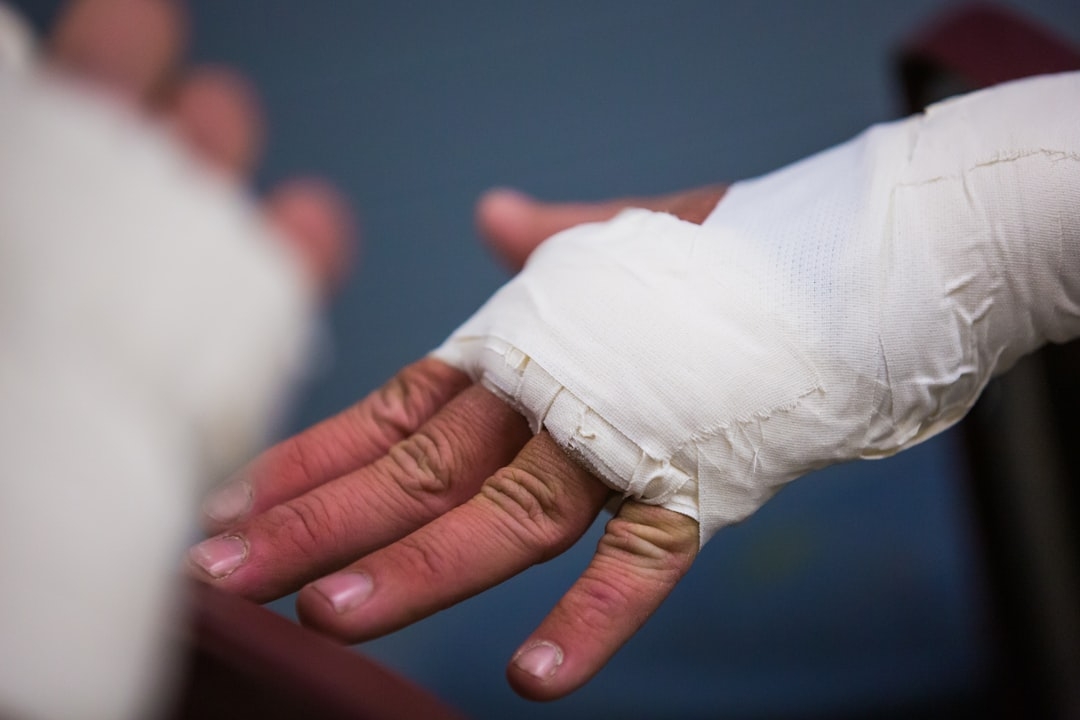
Pressure ulcers and surgical wounds can require careful monitoring, consistent treatment, and professional guidance to support safe healing. Although some minor wounds may improve with basic care, complex or slow-healing wounds can become more difficult to manage without appropriate medical assessment. Access to professional wound care in Oakland can help patients understand their treatment options and receive care based on their individual condition. Healthcare professionals can evaluate the wound, review relevant medical factors, and develop or follow an appropriate treatment plan. The right approach depends on the wound itself, the patient’s overall health, and the level of care required.
Finding suitable wound care is especially important when a patient has limited mobility, chronic health conditions, or difficulty traveling to medical appointments. Home-based services may provide a practical option for eligible patients who can safely receive selected care in their residence. Personalized in-home wound care solutions Michigan can help bring professional wound support closer to patients while keeping their treatment connected to the broader healthcare team. However, home care is not appropriate for every wound or complication. Patients should rely on qualified healthcare professionals to determine the safest setting and treatment approach.
Understanding Pressure Ulcers
Pressure ulcers, sometimes called pressure injuries, can develop when prolonged pressure affects an area of the skin and underlying tissue. They are more common in people who have limited mobility or spend extended periods sitting or lying in one position. Areas such as the heels, hips, tailbone, and other pressure points may be vulnerable depending on the patient’s circumstances. Early changes can sometimes appear as persistent discoloration, warmth, swelling, or changes in skin texture. Any suspected pressure injury should be evaluated by an appropriate healthcare professional so its severity and treatment needs can be determined.
Preventing pressure from continuing is an important part of managing pressure injuries. Depending on the patient’s condition, healthcare professionals may recommend repositioning, pressure-relieving equipment, mobility strategies, or other individualized measures. Nutrition, skin condition, moisture, and overall health may also influence recovery. Patients and caregivers should follow professional instructions rather than relying on a universal repositioning or dressing schedule. Regular assessment is particularly important when a wound is not improving or when the patient has difficulty communicating discomfort.
Understanding Surgical Wounds
Surgical wounds are created intentionally during medical procedures and normally require time and appropriate care to heal. The treatment plan may include keeping the area clean, following dressing instructions, monitoring for changes, and attending recommended follow-up appointments. Different surgical procedures result in different types of wounds, so care instructions should come directly from the surgical or healthcare team. Patients should not assume that another person’s surgical recovery routine will be appropriate for them. Professional guidance is important when a wound does not appear to be progressing as expected.
Changes around a surgical wound can sometimes signal a need for additional medical evaluation. Increasing redness, swelling, pain, drainage, separation of the wound edges, fever, or other concerning symptoms should be communicated promptly to the appropriate healthcare professional. These symptoms can have different causes, and a clinician should determine their significance. Patients should avoid independently removing, replacing, or modifying wound treatments unless instructed to do so. Following the established postoperative plan can help support safer recovery.
Why Professional Wound Assessment Matters
A professional wound assessment looks beyond the visible surface of an injury. The healthcare professional may review the patient’s medical history, medications, mobility, nutrition, circulation, and other factors that can influence healing. The wound itself may be assessed for characteristics such as size, depth, drainage, surrounding skin, and changes over time. This information can help determine whether the current treatment plan is appropriate. It may also identify factors that need attention before the wound can make meaningful progress.
Regular reassessment is particularly important for wounds that heal slowly or have complex causes. Documentation from multiple visits can help the healthcare team identify whether the wound is improving, remaining unchanged, or becoming more concerning. If healing is not progressing as expected, the provider may recommend a different treatment strategy or additional medical evaluation. Patients should communicate difficulties with following their care instructions because practical barriers can sometimes affect outcomes. Honest communication gives healthcare professionals a more complete understanding of the patient’s situation.
The Role of Personalized In-Home Wound Care
For patients who have difficulty traveling, Personalized in-home wound care solutions Michigan may provide an appropriate alternative for selected wound-care needs. Qualified healthcare professionals can provide certain services in a patient’s residence when the condition can be safely managed outside a clinic or hospital. Depending on professional qualifications and the treatment plan, services may include wound observation, dressing support, education, documentation, and communication with other healthcare providers. The exact services vary, so patients should ask what is available before beginning care. Home-based wound care should remain connected to appropriate physician oversight when necessary.
One advantage of receiving suitable wound care at home is that the healthcare professional can observe practical factors affecting daily treatment. Patients may have difficulty reaching certain areas, organizing supplies, maintaining pressure-relief routines, or following dressing instructions. A home visit can provide an opportunity to identify these challenges and discuss them with the patient or caregiver. This does not mean that every household issue becomes a medical concern. Instead, relevant observations can help the care team understand how the prescribed treatment fits into the patient’s daily routine.
Benefits for Patients With Limited Mobility
Traveling to appointments can be physically exhausting for patients recovering from surgery or living with significant mobility limitations. Arranging transportation, transferring into a vehicle, walking through a facility, and waiting for appointments can make repeated wound visits difficult. When clinically appropriate, home-based wound care can reduce some of these logistical challenges. Patients may receive selected nursing support without leaving their residence. This can be particularly helpful when wound care requires repeated professional visits over an extended period.
Caregivers may also find home-based services easier to coordinate. Instead of arranging transportation for every dressing or monitoring appointment, caregivers can participate in a visit within the home. They can ask questions, discuss practical concerns, and better understand the patient’s established care routine. However, caregivers should not be expected to perform professional procedures without appropriate instruction and authorization. Their role should complement qualified clinical care while respecting the patient’s preferences and independence.
What to Expect From a Wound Care Appointment
A wound-care appointment usually begins with a discussion of the patient’s current condition and the history of the wound. The healthcare professional may ask when the wound developed, what treatment has been provided, whether symptoms have changed, and whether the patient has experienced difficulties following instructions. The wound and surrounding skin may then be examined according to the clinician’s professional responsibilities. Relevant findings can be documented so progress can be compared during future visits. The provider can then explain the recommended treatment plan and follow-up schedule.
Patients can make appointments more productive by keeping medication information, allergies, previous treatment instructions, and relevant medical records available. For surgical wounds, discharge paperwork or instructions from the surgical team may be particularly useful. For pressure injuries, caregivers can describe mobility patterns, repositioning routines, and changes they have observed. Patients should ask questions if they do not understand a dressing schedule or warning signs. Clear communication helps ensure that everyone involved understands what should happen after the appointment.
Choosing Quality Wound Care in Oakland
When searching for wound care in Oakland, patients should evaluate providers based on professional qualifications, relevant experience, available services, and communication practices. It is reasonable to ask what types of wounds the provider manages and whether the clinicians have experience with pressure injuries or postoperative wounds. Patients should also ask how care is documented and how information is communicated to physicians or specialists when additional attention is needed. A reputable provider should be able to explain the role of its service clearly. Families should understand the scope of care before treatment begins.
Practical considerations such as appointment availability, service area, costs, insurance coverage, and follow-up procedures also matter. However, convenience should not be the primary reason for selecting a wound-care provider. The provider should be able to recognize when a wound requires a different level of treatment or urgent medical evaluation. Patients should also understand who to contact if symptoms change between appointments. Clear escalation procedures are an important part of safe and responsible wound management.
Coordinating Nurses, Physicians, and Specialists
Complex wounds may require several healthcare professionals working together. Nurses can provide appropriate hands-on wound support, education, observation, and documentation within their scope of practice. Physicians can evaluate the patient’s broader medical condition, diagnose complications, prescribe treatments, and determine whether specialist care or additional testing is required. Depending on the wound, other professionals may contribute expertise related to mobility, nutrition, circulation, or rehabilitation. Effective communication helps ensure that each member of the healthcare team understands the current plan.
Patients should know how their healthcare providers communicate with one another and who is responsible for different aspects of treatment. If a nurse observes a concerning change during a home visit, appropriate communication with the responsible physician may be necessary. Similarly, patients should report changes rather than assuming they will resolve on their own. A coordinated team can determine whether the current approach should continue or be reassessed. Good coordination can make wound care more organized and help ensure that important clinical information is not overlooked.
Preventing Further Wound Complications
Preventing additional damage is an important part of managing both pressure ulcers and surgical wounds. Patients should follow instructions regarding pressure relief, activity, wound protection, hygiene, dressings, and follow-up appointments. People with limited mobility may need individualized strategies to reduce prolonged pressure on vulnerable areas. Surgical patients should follow the specific activity and wound-care instructions provided by their healthcare team. Patients should not make major changes to their treatment plan without professional guidance.
Caregivers can support prevention by helping patients follow established routines and by reporting meaningful changes. They may assist with repositioning or other tasks when specifically instructed by the healthcare team. Keeping supplies organized can also make routine wound care easier to manage. Patients should communicate problems such as difficulty obtaining supplies, remembering instructions, or maintaining recommended positioning. Addressing these practical barriers early may help the care plan work more effectively.
When a Wound Needs Urgent Evaluation
Some wound changes require prompt medical attention rather than waiting for a routine appointment. Increasing pain, spreading redness, significant swelling, fever, unusual drainage, foul odor, sudden tissue changes, or wound separation may require assessment by an appropriate healthcare professional. The significance of these symptoms varies depending on the patient’s overall health and the type of wound. Patients should follow the instructions provided by their healthcare team for handling changes between visits. When symptoms are severe or potentially life-threatening, emergency medical care may be necessary.
Home-based wound care should never delay a level of treatment that the patient medically requires. Certain wounds may need imaging, laboratory testing, surgical intervention, specialist assessment, or hospital-based care. A responsible wound-care provider should explain when home treatment is no longer appropriate. Patients and caregivers should view referral or escalation as part of safe healthcare rather than as a failure of home-based services. The priority should always be timely, appropriate, and patient-centered treatment.
Conclusion
Finding the right wound-care option requires understanding both the patient’s medical needs and the available levels of professional support. Wound care in Oakland can provide assessment, monitoring, education, and treatment for patients dealing with pressure ulcers, surgical wounds, and other conditions requiring professional attention. For patients who have difficulty traveling, Personalized in-home wound care solutions Michigan may provide selected services in a familiar environment when home treatment is clinically appropriate. The best choice should be based on professional assessment rather than convenience alone.
Quality wound care depends on qualified professionals, consistent communication, individualized treatment, and timely follow-up. Patients and caregivers should follow their established care plans, report meaningful changes promptly, and understand when additional medical evaluation is necessary. Nurses, physicians, specialists, and caregivers can each contribute to a coordinated approach when their roles are clearly defined. With appropriate professional guidance, patients can better understand their options and take informed steps toward safer wound management and recovery.

 English
 Arabic
 French
 Spanish
 Deutsch
 Turkish
 Dutch
Dutch
 Italiano
 Russian
 Romaian
 Portuguese (Brazil)
 Greek
Greek
