
Improve Your Tennis Skills With Smart Practice and Effective Exercises
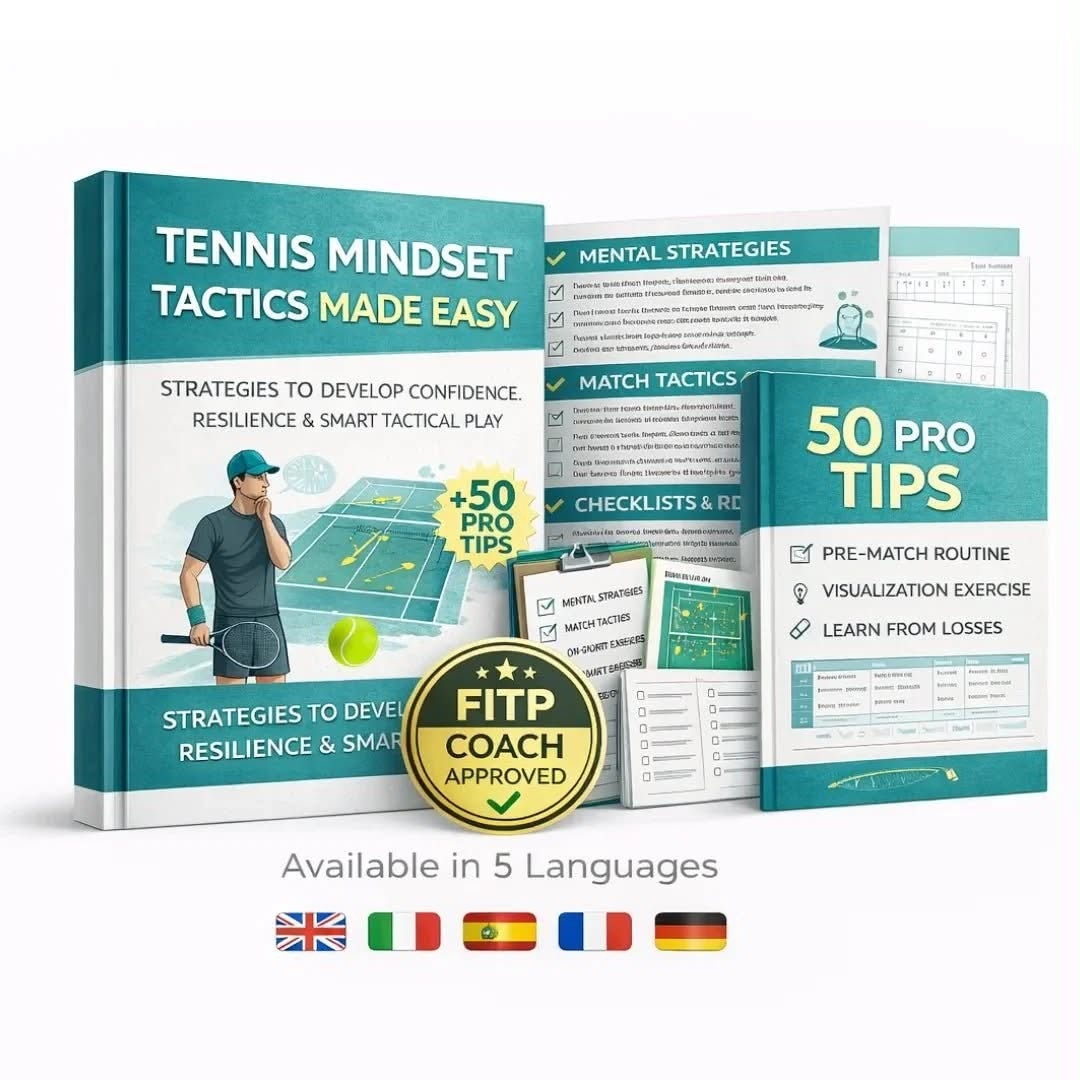
Improving performance on the tennis court requires more than simply hitting the ball back and forth. Players need focused practice that develops movement, timing, control, consistency, and confidence. Well-designed tennis drills can transform ordinary practice sessions into purposeful training experiences by giving players specific goals to work toward. Whether someone is learning the fundamentals or looking to refine advanced techniques, structured exercises can make every session more productive and engaging.
Why Structured Tennis Practice Matters
Tennis is a fast-paced sport that combines technical skill with physical movement and mental concentration. A player may have a strong forehand but still struggle during competitive situations because of poor footwork or inconsistent positioning. Similarly, a player with excellent movement may need more work on shot placement and timing. Effective practice addresses these different areas gradually, helping players develop a balanced game rather than relying on one particular strength.
Structured exercises also make training easier to understand. Instead of repeatedly hitting shots without a clear objective, players can concentrate on a particular movement or technique. This approach creates a sense of direction and allows progress to become easier to recognize over time. Coaches can also adapt exercises according to age, experience, fitness level, and individual playing style.
Developing Better Footwork and Court Movement
Footwork is one of the most important foundations of successful tennis. Players must constantly adjust their position before making contact with the ball. Good movement helps create better balance, improves shot preparation, and allows players to recover quickly after each stroke.
Movement-focused exercises can teach players how to move forward, backward, and laterally while maintaining control. Practicing split steps, recovery movements, and directional changes can help develop quicker reactions. These skills become especially valuable during rallies when the ball changes direction unexpectedly.
Good footwork should also be connected to shot preparation. Players should learn to arrive at the ball in a balanced position rather than reaching for it at the last moment. With consistent practice, efficient movement can become a natural part of the player's game.
Improving Forehand and Backhand Consistency
Groundstrokes are central to many tennis rallies, making consistency an important training objective. Players can improve their forehand and backhand by focusing on preparation, contact point, follow-through, and recovery. Repetition allows athletes to become more comfortable with the mechanics of each stroke while developing greater control over direction and depth.
A useful training session should not focus entirely on power. Players benefit from learning how to control the pace of the ball and place shots accurately. Practicing different depths and angles can gradually improve tactical awareness while encouraging players to think about where they want the ball to land.
Consistency becomes particularly valuable during competitive play. A player who can repeatedly produce reliable shots under pressure is often better positioned to construct points and force opponents into difficult situations.
Building Stronger Serve Technique
The serve is one of the most technically demanding parts of tennis. It requires coordination between the legs, torso, shoulder, arm, and wrist. Because the serve begins each point, developing a dependable motion can have a significant influence on overall performance.
Practice should focus on a smooth and repeatable motion rather than attempting to generate maximum power immediately. Players can work on their ball toss, body positioning, contact point, and follow-through separately before combining these elements into a complete serving action.
Accuracy is equally important. A controlled serve that consistently reaches the intended target can be more useful than an extremely powerful serve that lacks reliability. As technique improves, players can gradually introduce greater pace and variation.
Enhancing Volley and Net Skills
Players who move toward the net need quick reactions and precise control. Volleys generally involve shorter preparation movements than groundstrokes, meaning timing and positioning are crucial. Training at the net can help players become more comfortable responding to fast incoming shots.
Net exercises can also improve hand-eye coordination. Players learn to keep the racket prepared, maintain a stable body position, and direct the ball into useful areas of the court. Practicing both forehand and backhand volleys helps develop versatility during attacking situations.
Approach-shot practice can complement net training by teaching players when and how to move forward. Combining an accurate approach with a controlled volley creates a more complete attacking pattern.
Making Training More Engaging
Repetition is essential in tennis, but practice does not need to feel monotonous. Creative training exercises can introduce realistic challenges while keeping players mentally engaged. Players can work toward targets, practice specific rally patterns, or simulate common match situations.
Training becomes even more effective when players understand the purpose behind each exercise. Instead of completing movements automatically, they can focus on decision-making, positioning, and shot selection. This creates a closer connection between practice and real competition.
Coaches can also adjust difficulty as players improve. An exercise that begins with predictable shots can gradually become more challenging through changes in direction, speed, depth, or movement requirements.
Combining Physical and Mental Development
Tennis performance depends on both physical ability and mental discipline. Players need concentration to maintain consistency, confidence to execute important shots, and patience to build points strategically. Training exercises can support these qualities by introducing pressure and realistic match scenarios.
Mental development can be encouraged through target-based practice and controlled competitive situations. Players learn to remain focused even after making mistakes and to maintain their strategy when rallies become difficult. Over time, this can strengthen confidence and improve decision-making.
Physical conditioning also plays an important role. Agility, coordination, balance, endurance, and reaction speed all contribute to effective tennis movement. When these qualities are integrated with technical practice, players can become more prepared for the demands of extended matches.
Adapting Exercises for Different Skill Levels
Every player has different needs, so training should be adaptable. Beginners may need simple exercises that emphasize basic racket control, balance, and contact. Intermediate players can work on consistency, movement patterns, and tactical situations, while advanced players may benefit from higher-intensity exercises that replicate competitive pressure.
The goal should always be meaningful improvement rather than simply completing a difficult exercise. Players should understand the technique being developed and receive enough repetition to build confidence. Gradually increasing complexity allows athletes to progress without becoming overwhelmed.
Creating a Consistent Practice Routine
Consistency is one of the strongest factors behind long-term improvement. A single practice session can provide useful experience, but regular training allows technical skills and movement patterns to become more natural. Players should aim to create sessions that include technical development, movement, tactical awareness, and realistic point situations.
Keeping training purposeful can also help players recognize weaknesses. If a particular shot repeatedly breaks down under pressure, future sessions can place greater emphasis on that area. This creates a continuous improvement cycle in which practice responds to actual performance needs.
Conclusion
A thoughtful approach to tennis development can make practice more productive, enjoyable, and relevant to competitive situations. Tennis drills provide a practical foundation for improving movement, stroke consistency, serving technique, net play, coordination, and mental focus. With structured exercises and regular practice, players can build stronger fundamentals while gradually developing the confidence needed to perform under pressure. Tennis Drills & Exercises Collection Made Easy can support a more organized approach to training by encouraging players to practice with purpose, understand their technical goals, and turn every session into an opportunity for meaningful improvement.
 Turkish
 English
 Arabic
 French
 Spanish
 Portuguese
 Deutsch
 Dutch
Dutch
 Italiano
 Russian
 Romaian
 Portuguese (Brazil)
 Greek
Greek
