
Toronto Homeowners With a Flooded Finished Basement: What Needs to Be Dried Before Repairs Begin?
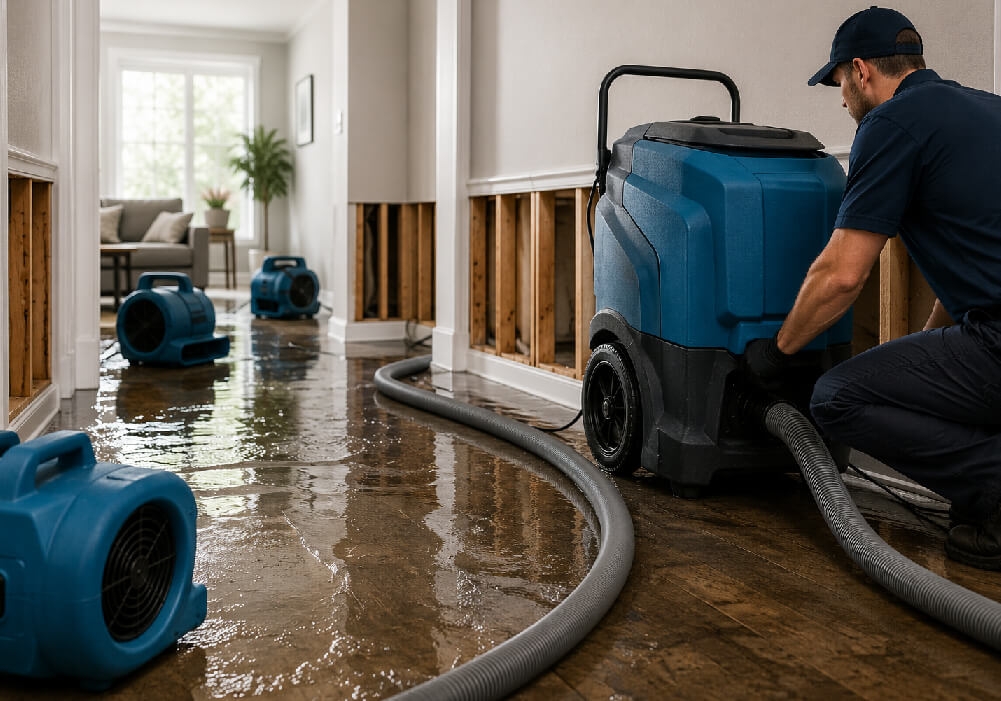
When a basement floods, most homeowners think about the damage they can immediately see. Water covering the floor, soaked furniture, damaged belongings, and ruined flooring are the first things that get attention. However, the biggest problems are often hidden behind walls, underneath floors, and inside materials that do not show damage right away.
A real example of this happened during the severe flooding that affected Toronto in July 2013. Many homeowners experienced basement flooding after heavy rainfall overwhelmed parts of the city’s drainage systems. One documented case involved Toronto homeowner Lisa Griffiths, whose basement was affected by sewage backup during the flooding. The damage created major cleanup challenges and raised concerns about insurance coverage and restoring the affected space. The situation showed how a finished basement can quickly change from a comfortable living area into a complicated restoration project.
Years later, Toronto experienced another major flooding event. Between July 15 and 16, 2024, intense rainfall caused widespread flooding throughout Toronto and southern Ontario. According to the Insurance Bureau of Canada (IBC), the event resulted in more than $940 million in insured damage, based on estimates from Catastrophe Indices and Quantification Inc. (CatIQ).
For many homeowners, the question after a flood is simple: “When can repairs begin?”
The answer depends on one important step that cannot be skipped: complete drying.
A finished basement is not just a room with a wet floor. It contains drywall, insulation, flooring layers, wooden framing, electrical areas, and personal belongings that can hold moisture long after visible water has been removed.
Starting repairs before these areas are properly dried can create problems that appear weeks or months later. New flooring can become damaged, fresh drywall can absorb moisture again, and hidden damp areas can create conditions for mold growth.
Proper water damage restoration focuses on removing moisture completely, checking affected materials, and making sure the structure is ready before repairs begin.
Why Water Removal Alone Is Not Enough After a Basement Flood
One of the most common misunderstandings after a basement flood is believing that removing standing water means the damage has been solved.
Water removal is only the first stage.
A finished basement contains many materials that react differently when exposed to water. Some materials absorb moisture quickly, while others trap it in areas that are difficult to see.
For example, a carpet may appear dry on top while the padding underneath remains wet. A painted wall may look normal while moisture is still trapped inside the drywall. Wooden framing behind finished walls may slowly absorb water and require additional drying time.
This hidden moisture is the reason repairs should not begin immediately after extraction.
The ANSI/IICRC S500 Standard for Professional Water Damage Restoration explains that proper restoration requires inspection, moisture measurement, drying procedures, and verification before reconstruction work begins.
The purpose of drying is not only to remove water. It is to restore the affected materials to safe moisture conditions so future repairs are not damaged.
Toronto Finished Basements Face Unique Flooding Challenges
Toronto has many homes with finished basements that serve as additional living areas. These spaces are often used as family rooms, offices, entertainment areas, guest rooms, and storage spaces.
Because finished basements contain more building materials than unfinished basements, flooding can create more complicated damage.
The City of Toronto identifies several common causes of basement flooding, including heavy rainfall, sewer backups, foundation leaks, drainage problems, and sump pump failures.
The July 2024 storm showed how quickly rainfall can affect homes. The flooding event caused widespread disruption across Toronto and surrounding communities, leaving many homeowners dealing with water entering lower levels of their properties. The scale of the damage highlighted why homeowners need to understand what happens before rebuilding begins.
A finished basement requires careful inspection because water does not always stay where it first enters. It can travel through flooring systems, move behind walls, and spread into materials that are not visible.
The First Areas That Need Drying Before Basement Repairs
Every flooded basement is different. The amount of drying required depends on the amount of water, the source of the flood, how long materials stayed wet, and the type of materials affected.
However, several areas usually require close attention before repairs can safely begin.
Drywall Needs Careful Inspection After Flooding
Drywall is one of the first materials affected when water enters a finished basement.
Most basement walls are covered with drywall because it creates a clean finished appearance. However, drywall is made from gypsum and paper materials that can absorb moisture quickly.
The lower sections of walls are usually affected first because they are closest to the water source. In some cases, water can move upward through the drywall beyond the area that was directly exposed.
This creates a challenge for homeowners because the outside of the wall may not show the full extent of the damage.
A wall may look acceptable while moisture remains inside.
Professionals inspect areas such as:
-
Lower portions of drywall
-
Areas behind baseboards
-
Corners where water collects
-
Spaces around electrical outlets
-
Wall cavities behind finished surfaces
If drywall remains wet for too long, it can lose its strength and become difficult to restore. Removing damaged sections or allowing proper airflow may be necessary to help the structure dry correctly.
Replacing drywall before checking moisture levels can simply cover the problem instead of solving it.
Hidden Moisture Behind Basement Walls Can Cause Future Problems
The areas homeowners cannot see are often the areas that require the most attention.
Behind finished basement walls, there may be insulation, wooden studs, electrical spaces, and other materials that can hold moisture.
After a flood, water may remain trapped inside these spaces even when the room appears clean.
This is why professional drying involves more than looking at surfaces. Moisture detection tools are used to measure conditions inside affected materials.
A moisture meter can help identify whether a wall, floor, or wooden structure still contains excessive moisture.
Without this step, homeowners may unknowingly rebuild over damp materials.
A newly renovated basement can look perfect while hidden moisture continues causing damage underneath.
Wet Insulation Can Slow Down the Drying Process
Insulation is another important area that must be checked after basement flooding.
Many finished basements have insulation installed behind walls to improve comfort and energy efficiency. However, once insulation becomes wet, it can hold moisture and slow down the drying process.
Because insulation is often enclosed inside walls, it does not receive enough airflow to dry naturally.
Wet insulation can contribute to:
-
Long-lasting moisture problems
-
Unpleasant smells
-
Reduced insulation performance
-
Increased risk of mold development
Whether insulation can be saved depends on several factors, including the type of insulation, the source of the water, and how long it remained wet.
If flooding involves contaminated water from a sewer backup, safety concerns become even more important because some materials may need replacement rather than drying.
Ignoring insulation because it is hidden behind walls can lead to bigger problems later.
Flooring Materials Must Be Dried Before Replacement
Flooring is another major concern in a flooded finished basement.
Many Toronto homeowners install carpet, laminate, vinyl, or engineered wood to make basement spaces more comfortable. Unfortunately, these materials can trap water underneath after flooding.
A carpet surface may dry quickly, but the padding below can remain wet for much longer. That moisture can affect the subfloor and create unpleasant odours.
Laminate and engineered wood flooring can also hold water between layers. Even if the surface looks normal, moisture underneath can damage the material over time.
Before installing new flooring, the entire flooring system needs to be checked.
The goal is to make sure moisture has been removed from:
-
Flooring materials
-
Padding layers
-
Subfloors
-
Nearby wall areas
Replacing flooring too early can result in damage to new materials and additional repair expenses.
Wooden Framing and Structural Materials Need Proper Drying
Behind the finished walls of a basement are structural materials that also require attention after flooding. Wooden framing is one of the most important areas because it supports the wall system and can absorb moisture over time.
Many homeowners assume that wood is safe once the surface feels dry. However, wood can hold moisture inside its structure, especially when water has entered wall cavities or remained in contact with materials for an extended period.
Wet wooden framing can create several concerns if it is covered before it has properly dried. Moisture trapped inside enclosed spaces can contribute to musty smells, material deterioration, and conditions where mold can develop.
The drying time for wood depends on several factors, including:
-
How much water entered the basement
-
How long the wood stayed wet
-
The type of flooding involved
-
Air movement around the material
-
Indoor humidity levels
The important point is that structural materials should not be judged only by appearance. A professional assessment uses moisture measurements to determine whether the wood is ready for repairs.
Why Moisture Testing Matters Before Rebuilding
A common mistake after basement flooding is starting repairs as soon as the visible water disappears.
The problem is that water damage is not always visible.
A basement wall may look dry while moisture remains inside. Flooring may appear normal while water is trapped underneath. Wooden framing may feel dry while still containing elevated moisture levels.
This is why moisture testing plays an important role before reconstruction begins.
Professionals use moisture meters and other inspection tools to measure conditions in affected materials. These readings help determine whether additional drying is needed or whether repairs can safely move forward.
The ANSI/IICRC S500 Standard for Professional Water Damage Restoration emphasizes the importance of documenting drying progress and confirming that materials have reached acceptable moisture levels before restoration work is completed.
This process protects homeowners from repairing the same damage twice.
Installing new drywall, flooring, or insulation over damp materials may hide the problem temporarily, but the moisture can continue affecting the structure underneath.
The Drying Process Requires More Than Household Fans
Many homeowners try to dry flooded basements using household fans, open windows, or portable heaters. These steps may help in small situations, but they are usually not enough for a serious finished basement flood.
When water enters walls, flooring systems, and insulation, the drying process needs to be controlled.
Professional drying equipment is designed to remove moisture from both the air and affected materials.
Air movers increase airflow across wet surfaces. This helps moisture move out of materials. Dehumidifiers remove moisture from the air, allowing the drying process to continue more effectively.
The equipment setup depends on the condition of the basement. A room with wet drywall and flooring requires a different approach compared with a small area affected by a minor leak.
The goal is not simply to make the basement feel dry. The goal is to reduce moisture levels throughout the affected structure.
How Long Does It Take to Dry a Flooded Finished Basement?
There is no exact drying timeline that applies to every flooded basement in Toronto.
Some smaller water incidents may require only a short drying period. Larger floods involving multiple rooms, soaked drywall, insulation, flooring, and structural materials can take much longer.
Several factors influence drying time:
-
The amount of water that entered the basement
-
The source of the water
-
The materials affected
-
The level of humidity inside the home
-
Air circulation
-
Temperature conditions
For example, a basement affected by a clean water pipe leak may dry differently compared with a basement affected by stormwater or sewer backup.
The condition of the materials matters more than the number of days equipment has been running.
A basement is ready for repairs when moisture levels have been properly checked and affected materials are safe for rebuilding.
Different Flood Sources Require Different Restoration Decisions
Not all basement flooding is the same. The source of the water affects how materials should be handled.
Clean water from a broken supply pipe may have fewer contamination concerns, although proper drying is still required.
Rainwater entering through foundation issues or drainage problems may contain dirt and other contaminants. This type of flooding requires careful cleaning and assessment.
Sewer backup flooding requires extra caution because the water may contain bacteria and harmful substances.
The City of Toronto advises residents to take safety precautions when dealing with basement flooding, especially when wastewater or contaminated water may be involved.
Understanding the source of the water helps determine which materials can be restored and which materials may need replacement.
What Homeowners Should Do Before Repairs Begin
After a basement flood, it is natural to want the space restored quickly. A finished basement is often an important part of a Toronto home, and losing access to that space can affect daily life.
However, rushing repairs can create additional problems.
The first step is making sure the area is safe. If water has reached electrical systems, homeowners should avoid entering the space until safety concerns have been addressed.
If the flood involved sewage or contaminated water, direct contact should be avoided because of potential health risks.
Documenting the damage is also important. Photos, videos, and notes about affected areas can help homeowners keep accurate records for insurance purposes.
Homeowners should also avoid covering damaged areas with new materials before drying is complete. Fresh drywall, flooring, or insulation should only be installed after moisture concerns have been resolved.
Toronto Homeowners Can Reduce Future Basement Flood Risks
After dealing with a flooded basement, many homeowners look for ways to reduce future risks.
While extreme weather cannot always be prevented, several maintenance steps can lower the chance of serious basement damage.
Keeping gutters clear helps prevent excess water from collecting near the foundation. Extending downspouts away from the home can also improve drainage around the property.
Sump pumps should be inspected regularly, especially before seasons with heavy rainfall. Homeowners may also consider additional basement flood protection measures depending on their property and location.
The City of Toronto provides information about basement flood protection options, including measures such as backwater valves and sump pump systems that can help reduce flooding risks for eligible properties.
Prevention does not guarantee that flooding will never happen, but preparation can reduce the amount of damage when severe weather occurs.
Proper Drying Creates a Safer Path to Basement Repairs
A flooded finished basement is not only a cleanup challenge. It is a moisture problem that needs careful attention before repairs begin.
The visible damage is usually the easiest part to notice. The more serious concerns are often hidden inside walls, under floors, and within structural materials.
For Toronto homeowners, the correct order after flooding is clear: remove standing water, inspect affected materials, complete proper drying, confirm moisture levels, and only then begin rebuilding.
The major flooding events Toronto has experienced, including the July 2024 storm that caused more than $940 million in insured damage according to the Insurance Bureau of Canada (IBC), show how quickly water can affect homes and how important proper recovery decisions are.
A finished basement represents a significant investment. Taking the time to dry every affected area before repairs begin helps protect that investment and reduces the chance of future damage.
When a basement floods, the fastest repair is not always the best repair. The best results come from making sure the space is truly dry before bringing it back to life.

 English
 Arabic
 French
 Spanish
 Portuguese
 Turkish
 Dutch
Dutch
 Italiano
 Russian
 Romaian
 Portuguese (Brazil)
 Greek
Greek
