
Investment Advisor Certification: A Complete Guide for Aspiring Finance Professionals
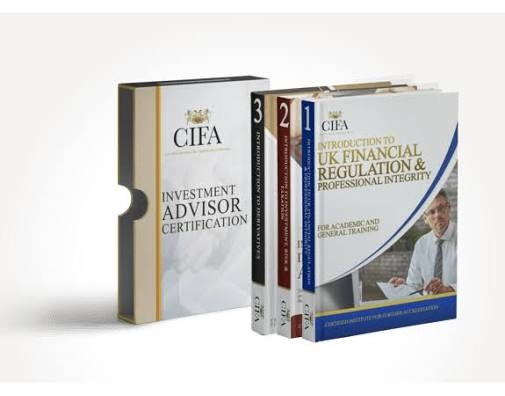
An investment advisor certification can help students, graduates, and finance professionals build knowledge of investment products, portfolio construction, risk management, taxation, financial regulation, professional ethics, and derivatives.
For anyone planning a career in investment advice in the UK, it is important to distinguish between a professional training certification and a qualification that satisfies the FCA's requirements for a particular regulated activity.
What Is an Investment Advisor Certification?
An investment advisor certification is a structured professional programme designed to develop knowledge relevant to investment and financial services.
A comprehensive programme may cover:
- Investment principles
- Asset classes
- Portfolio construction
- Investment risk
- Taxation
- Financial markets
- UK financial regulation
- FCA and PRA frameworks
- Professional ethics
- Derivatives
- Investment advice
- Portfolio performance and review
CIFA's Investment Advisor Certification IAC combines three areas: UK Financial Regulation and Professional Integrity, Investment Risk and Taxation, and Derivatives. CIFA currently lists the programme as a Level 4 digital certification with 420 CPD hours.
Why Study an Investment Advisor Certification?
Investment professionals need more than an understanding of financial products. They also need knowledge of risk, regulation, ethics, and the responsibilities involved in working with clients.
Build Investment Knowledge
An investment advisor programme can introduce learners to different asset classes, investment products, portfolio construction, and investment strategies.
Understand Investment Risk
Understanding risk and return is essential when evaluating investment opportunities and constructing portfolios.
Learn UK Financial Regulation
Knowledge of UK financial regulation can help learners understand the environment in which investment professionals operate.
Develop Professional Ethics
Investment professionals have responsibilities when dealing with clients. Professional integrity and ethical decision-making are therefore important areas of financial education.
What Does the CIFA Investment Advisor Certification Cover?
CIFA's IAC is divided into three main units.
Introduction to UK Financial Regulation and Professional Integrity
This unit covers UK financial markets, financial services and risk, professional ethics, UK regulators, FCA and PRA governance, financial crime regulations, complaints and redress, and the FCA Conduct of Business Sourcebook.
Introduction to Investment, Risk and Taxation
This unit covers asset classes, the macroeconomic environment, investment risk and return, investor taxation, investment products, portfolio construction, investment advice, and portfolio performance.
Introduction to Derivatives
The derivatives unit introduces futures, options, over-the-counter derivatives, clearing, settlement, hedging, investment strategies, portfolio construction, and relevant regulatory requirements.
Online Investment Advisor Certification
An online investment advisor certification can be particularly useful for people who want flexible professional education.
CIFA delivers its IAC digitally and currently lists lifetime portal access, chapter-based mock exams, 420 CPD hours, and a certificate of achievement following successful completion of the examination.
Online learning can be suitable for:
- Finance students
- Recent graduates
- Career changers
- Investment professionals
- Wealth management professionals
- Financial services employees
- International learners
Who Should Take an Investment Advisor Certification?
An investment advisor certification may be suitable for learners interested in:
Investment Advisory
Develop foundational knowledge of investments, portfolio construction, risk, taxation, and professional responsibilities.
Wealth Management
Investment knowledge is an important component of wealth management, where professionals work with clients' financial objectives and investment strategies.
Investment Management
Professionals working with portfolios can benefit from understanding asset classes, risk, diversification, and investment strategies.
Financial Compliance
Knowledge of regulation and professional integrity can complement careers in compliance and financial services.
Risk Management
Understanding investment risk can support professional development in financial risk-related roles.
Is Investment Advisor Certification an FCA Qualification?
This is an important question for anyone considering an investment advisory career in the UK.
Not every investment advisor certification is an FCA appropriate qualification.
The FCA states that certain regulated activities have specific qualification requirements. Individuals need to compare the activity they intend to perform with the FCA's Training and Competence requirements and appropriate qualification tables. The FCA also explains that the actual activity performed, rather than the job title, determines which requirements apply.
For retail investment advisers, the FCA also requires appropriate qualifications and a Statement of Professional Standing from an accredited body, alongside ongoing professional standards.
Therefore, learners should verify the specific FCA requirements before providing regulated investment advice.
CIFA Investment Advisor Certification
CIFA describes its IAC as a graduate entry-level programme designed to provide foundational knowledge before learners undertake FCA-regulated qualifications.
CIFA currently lists the Investment Advisor Certification at £897. The programme consists of three courses, each listed separately at £358, and the certification is presented as a Level 4 digital programme.
CIFA states that its certifications are fully accredited and that successful learners receive a certificate after completing and passing the examination.
Investment Advisor Certification and Career Development
A certification can be one component of a broader professional development pathway.
Learners may use investment education to build knowledge before progressing toward additional qualifications, professional experience, or specialised training.
For example, someone interested in wealth management may combine investment knowledge with financial planning and wealth management education. A person interested in compliance may combine investment training with AML and financial regulation studies.
What Skills Can You Develop?
Portfolio Construction
Learn how different assets can be considered when constructing and managing investment portfolios.
Investment Risk Analysis
Develop an understanding of risk and return and how investment risks can influence portfolio decisions.
Tax Awareness
Understand basic investment taxation concepts and how taxation can affect investment decisions.
Regulatory Awareness
Develop knowledge of UK financial regulation and the responsibilities of financial services professionals.
Derivatives Knowledge
Understand the basic concepts behind futures, options, OTC derivatives, hedging, and related investment strategies.
Professional Integrity
Learn why ethical behaviour and professional standards are important in financial services.
How to Choose the Right Investment Advisor Certification
Check the Course Content
Look for coverage of investments, portfolio construction, risk, taxation, regulation, and ethics.
Check Accreditation and Recognition
Understand exactly who accredits or recognises the programme and what that recognition means.
Check the Qualification Level
Choose a programme that matches your current knowledge and professional objectives.
Review CPD Hours
CPD can support continuing professional development, but CPD recognition should not be confused with an FCA appropriate qualification.
Check the Assessment
Review the examination process and certification requirements before enrolling.
Check FCA Requirements
If you intend to provide regulated investment advice, check the FCA's current Training and Competence requirements and appropriate qualification tables.
Investment Advisor Certification for Beginners
An investment advisor certification can be a useful starting point for graduates and people entering financial services.
Beginners can develop knowledge of:
Investment products
Asset classes
Investment risk
Portfolio construction
Financial regulation
Professional ethics
Taxation
Derivatives
Building these foundations can make it easier to understand more advanced investment concepts and professional qualifications.
Final Thoughts
An investment advisor certification can provide structured knowledge across investment, risk, taxation, regulation, professional ethics, and derivatives.
CIFA's Investment Advisor Certification IAC is currently listed as a Level 4 digital certification with 420 CPD hours and combines three courses covering UK financial regulation and professional integrity, investment risk and taxation, and derivatives.
However, anyone intending to provide regulated investment advice in the UK should carefully distinguish between a training certification and an FCA appropriate qualification. The FCA states that specific regulated activities can have qualification requirements, and retail investment advisers are subject to additional professional standards.
For aspiring finance professionals, combining structured investment education with relevant experience and the appropriate regulatory qualifications can provide a stronger foundation for a career in financial services.
Frequently Asked Questions
What is an investment advisor certification?
An investment advisor certification is a professional programme covering areas such as investment products, portfolio construction, risk management, taxation, financial regulation, professional ethics, and derivatives.
Can I study an investment advisor certification online?
Yes. CIFA's Investment Advisor Certification is delivered digitally and currently includes 420 CPD hours, online learning access, mock examinations, and a certificate following successful completion of the examination.
Does an investment advisor certification qualify me to provide regulated investment advice?
Not automatically. The FCA has specific qualification requirements for certain regulated activities. You should check the current FCA Training and Competence rules and appropriate qualification tables for the exact activity you intend to perform.

 English
 Arabic
 Spanish
 Portuguese
 Deutsch
 Turkish
 Dutch
Dutch
 Italiano
 Russian
 Romaian
 Portuguese (Brazil)
 Greek
Greek
