
Dentures in Peterborough: How to Find the Right Fit
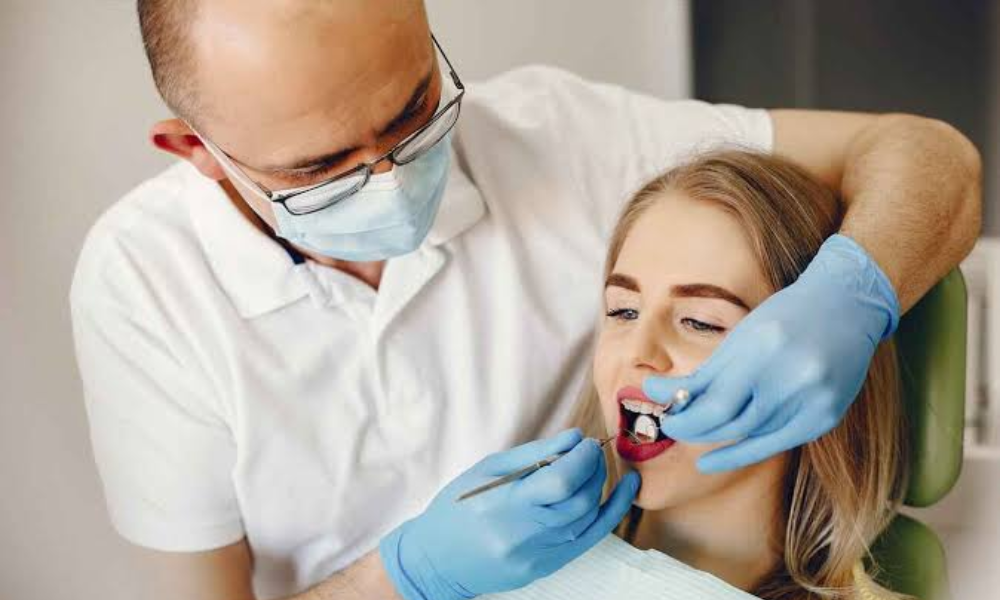
Finding dentures that fit properly is about much more than choosing a set that looks natural. A good fit can make everyday activities such as eating and speaking more comfortable while helping dentures remain stable in the mouth. Poorly fitting dentures, on the other hand, can move, rub against the gums and make daily life frustrating.
If you are considering new dentures or your current set no longer feels comfortable, understanding what contributes to a good fit can help you make a more informed decision. Whether you need full or partial dentures, professional assessment and accurate fitting are important parts of the process.
Why Does Denture Fit Matter?
Denture fit affects comfort, stability and function. Dentures need to sit securely against the tissues of the mouth while allowing you to speak and chew naturally.
A poor fit can lead to several everyday problems, including:
-
Dentures moving while eating
-
Difficulty chewing certain foods
-
Clicking during speech
-
Sore or irritated gums
-
Food becoming trapped underneath
-
Reduced confidence when speaking or smiling
-
Increased reliance on denture adhesive
These problems should not simply be accepted as part of wearing dentures. A professional can assess the cause and recommend the most suitable solution.
Full vs. Partial Dentures
The type of denture you need can affect how it fits and functions.
Full dentures are designed to replace an entire arch of missing teeth, while partial dentures replace some missing teeth and work alongside remaining natural teeth.
Partial dentures can use components such as clasps or precision attachments to help provide stability. Full dentures rely more heavily on their relationship with the gums, supporting tissues and the shape of the mouth.
Your dental professional can assess your individual circumstances and explain which option is appropriate.
Accurate Impressions Are Important
One of the key stages in creating well-fitting dentures is accurately recording the shape of your mouth. Impressions or digital techniques may be used to capture the relevant oral structures.
An accurate impression helps the dental professional and laboratory create a denture base that corresponds closely to the tissues supporting it. If the denture does not properly match the mouth, it may feel unstable or uncomfortable.
Taking accurate measurements and impressions is therefore an important part of creating dentures that feel secure and natural.
Your Bite Also Matters
A denture can look good but still feel uncomfortable if the bite is not correctly established.
The upper and lower teeth need to meet appropriately when you close your mouth. If the bite is uneven, you may notice difficulty chewing, discomfort or instability.
During the fitting process, your dental professional can assess how your upper and lower dentures come together and make adjustments where necessary.
This is one reason professional fitting is preferable to buying or modifying dentures without an appropriate assessment.
Comfort Should Be a Priority
Comfort is one of the clearest indicators of a suitable denture fit. While it can take time to become accustomed to new dentures, persistent pain or repeated sore spots should not be ignored.
If a denture places too much pressure on a particular area, it can create irritation and make everyday activities uncomfortable. Professional adjustments can help identify pressure points and improve the way the denture sits against the gums.
Do not attempt to file, cut or reshape the denture yourself. An apparently small adjustment can affect the overall fit or bite.
How to Know If Your Current Dentures No Longer Fit
Dentures can fit well when first made but gradually become loose over time. This is not necessarily a sign that the dentures were poorly made.
The tissues supporting dentures change naturally. Following tooth loss, the underlying jawbone can gradually change shape, affecting the area supporting the denture. As these changes occur, dentures may gradually lose some of their original stability.
You may notice:
-
Your dentures slipping when you speak
-
Difficulty eating harder or chewy foods
-
Repeated rubbing or sore areas
-
More food collecting under the denture
-
Changes in your facial appearance
-
Increased use of denture adhesive
-
A noticeable change in the way your dentures feel
If these issues persist, arrange a professional assessment.
Could Relining Improve the Fit?
If your dentures are structurally sound but have become loose because your mouth has changed, relining may be an option.
A denture reline modifies the fitting surface of an existing denture to improve its adaptation to the current shape of your gums. This can sometimes extend the useful life of a denture without immediately requiring a completely new appliance.
However, relining is not suitable for every denture. If the teeth are severely worn, the base is damaged or the appliance has significant structural problems, replacement may provide a better outcome.
A professional assessment can help determine which approach makes sense.
Choosing a Professional Provider
When looking for Dentures Peterborough, consider the experience and services offered by the provider rather than focusing only on price.
A good denture service should take time to understand your needs, assess your mouth, discuss your options and ensure the final appliance is comfortable and functional.
It can also be useful to ask about:
-
Full and partial dentures
-
Denture repairs
-
Relining and adjustments
-
Replacement dentures
-
Follow-up appointments
-
Cleaning and maintenance advice
-
Emergency repair services
A provider who offers aftercare can be particularly valuable because adjustments may sometimes be required as you become accustomed to new dentures.
Appearance and Fit Should Work Together
Modern dentures can be designed to look natural as well as feel comfortable. However, appearance should not be prioritised at the expense of function.
The shape, colour and position of artificial teeth can influence how natural the denture looks. At the same time, the denture base needs to provide appropriate support and stability.
During the consultation process, discuss your expectations regarding the appearance of your smile. Your dental professional can explain what is achievable based on your oral anatomy and the type of denture being considered.
What to Expect During the Fitting Process
Getting dentures is generally a process rather than a single appointment. Your dental professional may assess your oral health, take impressions or scans, record your bite and discuss the appearance of the proposed teeth.
Depending on the type of treatment, there may be opportunities to check the fit and appearance before the final denture is completed.
Once your dentures are fitted, you may need a short adjustment period. Speaking and eating can initially feel different, but this should generally improve as you become accustomed to the appliance.
Persistent discomfort, significant movement or difficulty eating should be discussed with your dental professional.
How to Maintain a Good Denture Fit
Looking after your dentures can help protect their condition. Clean them regularly, handle them carefully and store them according to professional instructions.
Avoid hot water, which can distort some denture materials, and never attempt to adjust or repair your dentures yourself.
Regular dental appointments are also useful because your mouth can change even when the dentures themselves appear to be in good condition.
Final Thoughts
Finding the right denture fit involves more than selecting dentures that look good. Comfort, stability, bite, appearance and the changing shape of your mouth all play important roles.
If your current dentures are slipping, causing soreness or making eating difficult, they may need adjustment, relining, repair or replacement. A professional assessment can identify the underlying issue and help you choose the most suitable solution.
By choosing an experienced provider, following proper denture-care advice and attending regular reviews, you can give your dentures the best chance of remaining comfortable, functional and natural-looking for longer.

 English
 Arabic
 French
 Spanish
 Portuguese
 Deutsch
 Turkish
 Dutch
Dutch
 Italiano
 Russian
 Romaian
 Greek
Greek
