
Dry Van Loads and Dispatch Services: A Practical Guide for Carriers
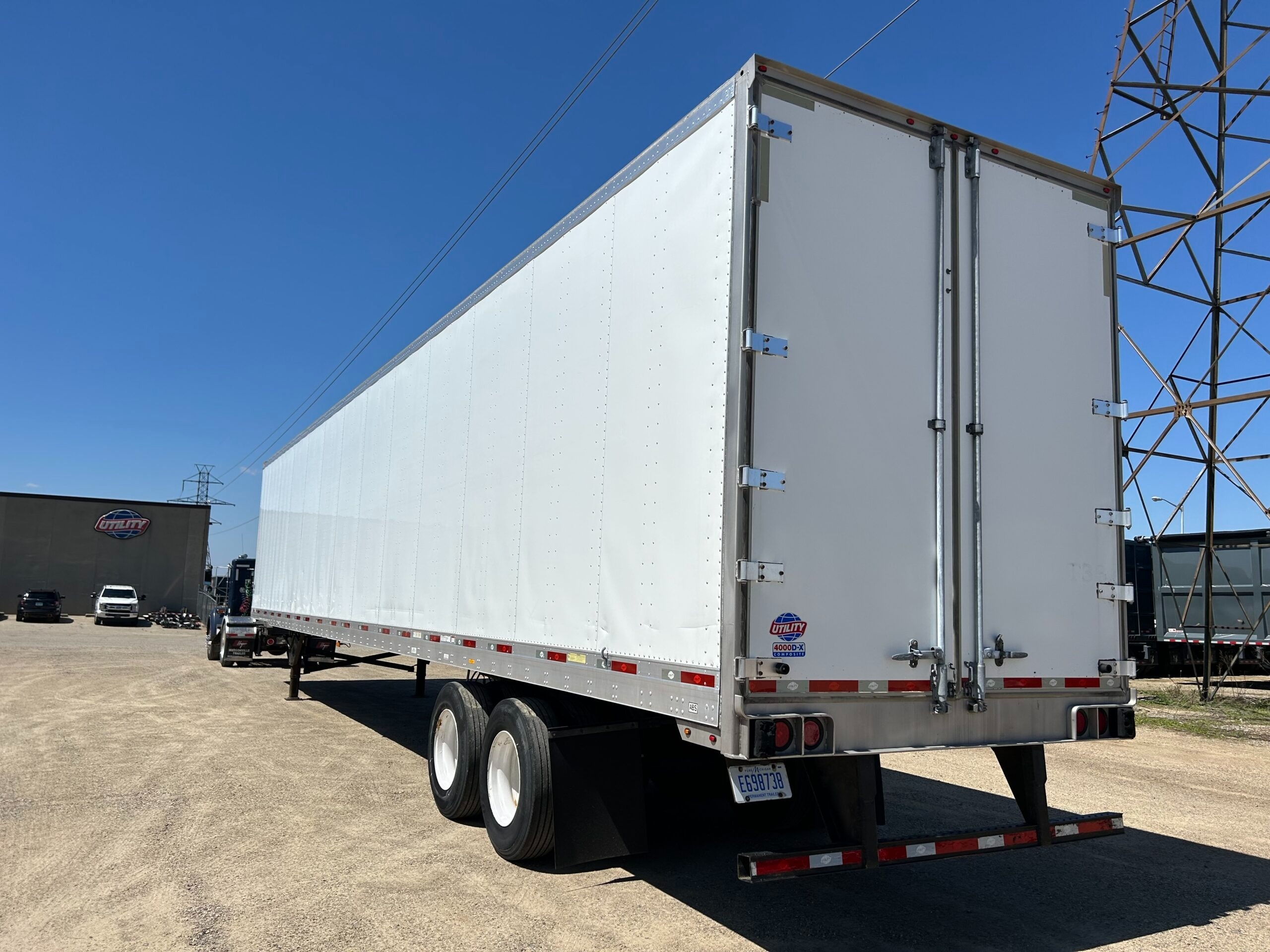
Moving freight efficiently requires reliable equipment, accurate load information, and careful planning. For carriers operating dry vans, finding suitable freight is only one part of the process. Managing rates, routes, appointments, paperwork, and communication can also take significant time. This is where professional dispatch support can make day-to-day operations easier.
What Are Dry Van Loads?
Dry van loads are shipments transported inside enclosed trailers that protect freight from weather, road debris, and other external conditions. Dry van trailers are widely used because they can handle many types of non-refrigerated, non-hazardous cargo.
Common freight includes packaged goods, retail products, consumer goods, electronics, furniture, clothing, building materials, and palletized shipments. Because dry vans are versatile, carriers can find freight opportunities across many regions of the United States.
Finding Reliable Dry Van Freight Loads
Finding consistent dry van freight loads is important for maintaining steady truck utilization. However, carriers often have to spend considerable time searching load boards, communicating with brokers, comparing rates, and checking pickup and delivery requirements.
A good load should make sense beyond its advertised rate. Carriers should consider the total miles, fuel costs, deadhead, appointment times, tolls, market conditions, and the possibility of finding another profitable load after delivery.
Professional dispatchers can help carriers evaluate available freight and identify opportunities that better fit their equipment, preferred lanes, and operating requirements.
How a Dry Van Dispatch Service Helps
A dry van dispatch service provides administrative and freight-finding support for carriers. Depending on the service arrangement, a dispatcher may search for available loads, communicate with brokers, negotiate rates, organize pickup and delivery information, and help maintain load documentation.
The goal is to reduce the amount of time a driver or owner-operator spends handling administrative tasks. This allows drivers to focus more on safe driving, equipment, and timely deliveries.
A dispatcher can also help organize a carrier's schedule by considering the truck's current location, destination, available hours, and preferred freight lanes.
Benefits of Dry Van Transportation Services
Professional dry van transportation services are useful for businesses that need dependable movement of general freight. Enclosed trailers provide protection from many weather-related conditions and are suitable for a broad range of products.
For carriers, dry van operations can provide access to diverse freight markets. Since the equipment is not limited to temperature-controlled cargo, carriers may have more flexibility when choosing loads.
For shippers, dry van transportation can be a practical option when freight does not require refrigeration, specialized handling, or an open-deck trailer.
What Is Dry Van Dispatch?
Dry van dispatch involves coordinating freight opportunities and operational details for dry van carriers. A dispatcher typically works between the carrier and freight brokers or shippers to help keep the truck moving.
The process can include:
- Searching for suitable freight
- Reviewing load details and requirements
- Communicating with brokers
- Negotiating rates when appropriate
- Confirming pickup and delivery information
- Tracking important appointment details
- Managing rate confirmations and related paperwork
- Helping plan the next load
Effective communication is particularly important because a small scheduling issue can affect multiple loads. Good dispatch coordination helps carriers stay organized and respond quickly when circumstances change.
Why Professional Load Dispatching Matters
Dry van load dispatching requires more than simply finding a load. Dispatchers need to understand freight lanes, market conditions, mileage, appointment schedules, broker requirements, and the carrier's operating preferences.
A well-planned dispatch strategy can help reduce unnecessary deadhead miles and improve the use of available driving time. It can also help carriers avoid accepting freight that looks attractive on paper but produces poor results after considering total operating costs.
For owner-operators and small fleets, having dispatch support can be especially useful when managing multiple responsibilities at the same time.
Choosing the Right Dispatch Partner
Before working with a dispatch company, carriers should understand exactly what services are included. Ask about communication, load sourcing, rate negotiation, paperwork, fees, and contract terms.
It is also important to choose a service provider that understands the carrier's preferred lanes and equipment. Clear communication between the dispatcher and driver can make load planning more efficient and reduce misunderstandings.
Frequently Asked Questions
What are dry van loads?
Dry van loads are shipments transported in enclosed trailers. They commonly include general, palletized, and packaged freight that does not require temperature-controlled transportation.
How does a dry van dispatch service work?
A dispatcher helps carriers find suitable freight and may handle broker communication, rate negotiations, scheduling, paperwork, and load coordination based on the agreed service.
Is dry van freight available throughout the United States?
Yes. Dry vans are commonly used across many U.S. freight markets because the equipment can transport a wide variety of general cargo.
What does a dry van dispatcher do?
A dry van dispatcher helps coordinate freight for carriers. Responsibilities may include finding loads, communicating with brokers, reviewing load details, negotiating rates, and helping organize pickup and delivery schedules.
How can dry van dispatching help owner-operators?
Dispatch support can reduce the time owner-operators spend searching for freight and handling administrative tasks. This gives them more time to focus on driving, equipment, and deliveries.
What should carriers consider before accepting a dry van load?
Carriers should evaluate the rate, total mileage, deadhead, fuel expenses, pickup and delivery times, route, broker requirements, and whether another profitable load is likely to be available after delivery.
Final Thoughts
Reliable freight planning is an important part of running a successful dry van operation. From finding suitable dry van loads to coordinating schedules and paperwork, professional dispatch support can simplify many daily responsibilities. With careful load selection, effective communication, and organized dry van transportation services, carriers can make better use of their equipment and operating time.
 English
 Arabic
 French
 Spanish
 Portuguese
 Deutsch
 Turkish
 Dutch
Dutch
 Italiano
 Russian
 Romaian
 Portuguese (Brazil)
 Greek
Greek
