
Solar Efficiency Cleaning: Safety Steps Pros Never Overlook!
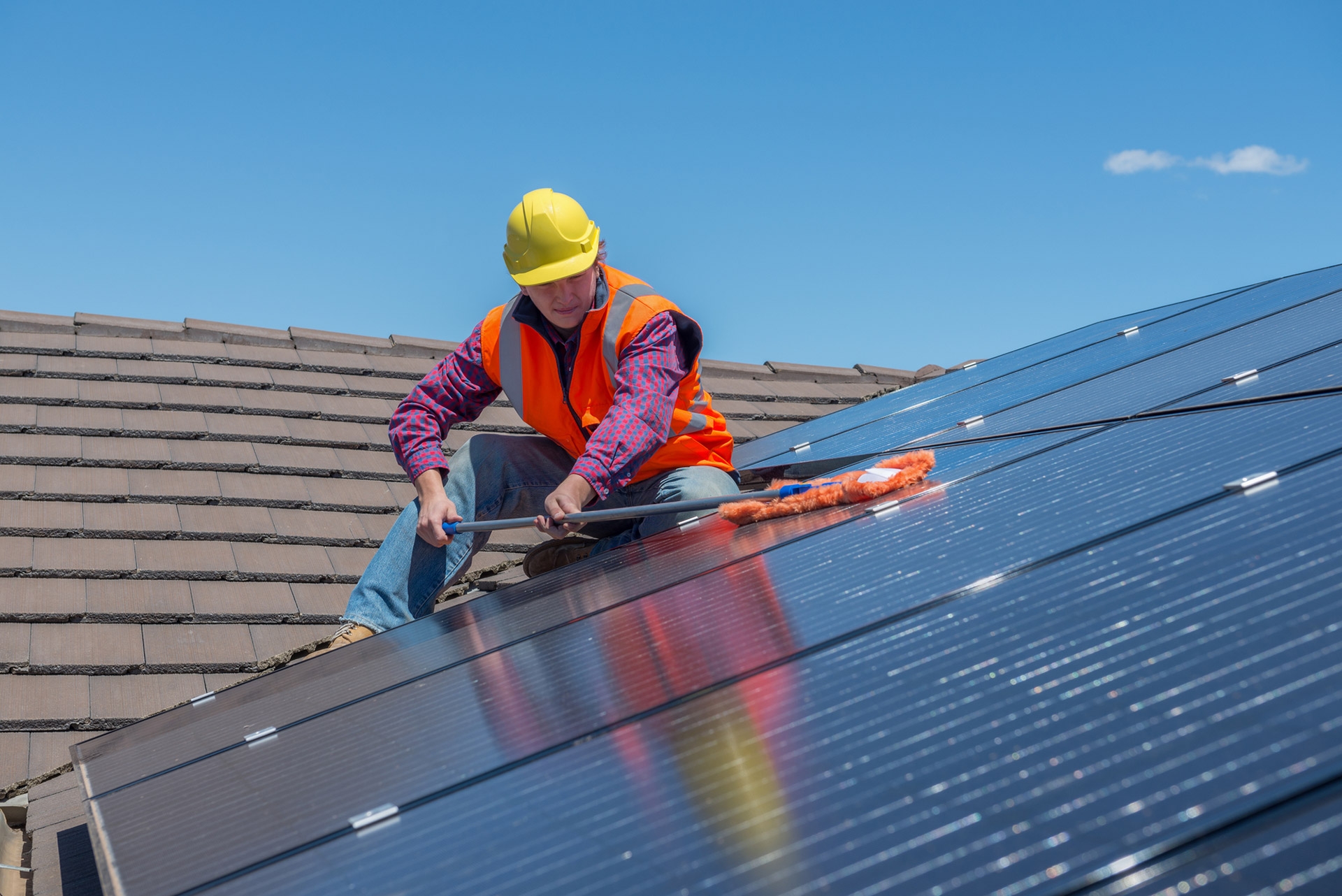
Discover how professionals handle solar efficiency cleaning safely, protecting panels, wiring, roofs, and output while avoiding costly cleaning mistakes today!
What Safety Steps Do Professionals Follow During Solar Efficiency Cleaning?
Solar efficiency cleaning is not only about removing dust, pollen, ash, or bird droppings from panels. Professionals follow safety steps that protect the roof, the solar system, and the person doing the work. The right process includes checking access, avoiding electrical risks, using gentle cleaning methods, and preventing common solar panel cleaning mistakes that can damage panels or reduce performance.
Professionals clean solar panels carefully because they are dealing with roof access, glass surfaces, wiring, mounts, and weather conditions. A safe service starts with inspection and ends with checking whether the panels look clear and the system is still operating normally.
The goal is simple: support better sunlight exposure without creating damage, safety risks, or avoidable maintenance problems.
Why Safety Matters During Solar Cleaning
Solar panels may look easy to rinse from the ground, but rooftop cleaning can involve ladders, slippery surfaces, steep rooflines, and electrical equipment. That is why solar efficiency cleaning should never be treated like washing a car or patio.
Professional cleaners understand that the panel surface, roof materials, wiring, and surrounding property all need protection. A careless method may remove dirt but create scratches, leaks, broken mounts, or electrical concerns.
Step 1: Inspect the Panels and Work Area First
Before cleaning begins, professionals usually review the full work area. They look for visible damage, loose wiring, cracked glass, unstable roof areas, nesting material, heavy debris, or unsafe access points.
This first step helps prevent bigger problems. If a panel looks damaged or the roof is unsafe, cleaning should not continue until the issue is properly assessed.
What They Check
-
Roof pitch and access points
-
Ladder placement
-
Weather and wind conditions
-
Visible panel damage
-
Loose mounts or wiring
-
Heavy debris or bird droppings
A careful inspection keeps the job controlled instead of rushed.
Step 2: Plan Safe Roof and Ladder Access
One of the biggest risks in solar cleaning is access. Professionals avoid overreaching, stepping on panels, or using unstable ladder positions.
They plan how to reach the panels without damaging roofing materials or putting themselves at risk. For high roofs, steep slopes, or awkward panel placement, professional equipment and experience become especially important.
This is one reason homeowners should be careful with DIY cleaning. Saving money is not worth a fall, roof damage, or panel damage.
Step 3: Protect Electrical Components
Solar panels are part of an electrical system. Professionals avoid pulling wires, opening equipment, spraying directly into connections, or disturbing system components.
They also follow manufacturer care guidance when available. Some panels may have coatings, specific cleaning instructions, or warranty-related requirements.
Good solar efficiency cleaning respects both the visible glass surface and the electrical system behind it.
Step 4: Use Gentle Cleaning Methods
Professionals avoid harsh cleaning because solar panel glass can be damaged by the wrong tools. The safest approach usually includes clean water, a mild approved solution when needed, and soft, non-abrasive equipment.
The purpose is to remove buildup without scratching the glass or leaving residue behind. Strong chemicals, rough pads, and aggressive scrubbing are not signs of better cleaning. They are common solar panel cleaning mistakes.
Mistakes Professionals Avoid
-
Using abrasive brushes or pads
-
Walking directly on panels
-
Cleaning hot panels in strong sunlight
-
Using harsh chemicals or solvents
-
Spraying high-pressure near seals or wiring
-
Ignoring manufacturer instructions
Avoiding these mistakes helps protect long-term performance.
Step 5: Choose the Right Weather and Timing
Timing matters. Professionals avoid cleaning when panels are extremely hot, roofs are icy, winds are strong, or rain makes footing unsafe.
Cooler parts of the day are often better because water does not dry as quickly on the panel surface. This can reduce streaking and make the process safer.
Solar cleaning should be scheduled when conditions support both safety and cleaning quality.
Step 6: Protect the Roof and Surrounding Property
A safe cleaning process also protects roofing materials, gutters, siding, landscaping, and nearby outdoor areas. Hoses, tools, and foot traffic need to be managed carefully.
Professionals avoid dragging equipment across fragile surfaces or letting debris wash into places where it may create another maintenance issue.
Solar cleaning should leave the property better, not create extra cleanup or damage.
Solar Efficiency Cleaning Safety Checklist
|
Safety Step |
Why It Matters |
|
Inspect panels first |
Finds visible damage or hazards |
|
Plan safe access |
Reduces fall and roof risks |
|
Use gentle tools |
Protects panel glass |
|
Avoid harsh chemicals |
Prevents surface damage |
|
Watch the weather conditions |
Improves safety and results |
|
Protect wiring |
Reduces electrical concerns |
|
Review results |
Confirms cleaning was useful |
When Professional Cleaning Makes Sense
Professional help is worth considering when panels are high, difficult to reach, covered with ash or droppings, or showing lower output on similar sunny days.
It is also the safer option when you are unsure about roof access, cleaning tools, or panel-care instructions. In these cases, hiring a trained provider can help avoid costly mistakes.
Final Thoughts
Solar efficiency cleaning is valuable only when it is done safely. Professionals do more than wash panels. They inspect the site, protect wiring, use the right tools, manage roof access, and avoid common solar panel cleaning mistakes.
For homeowners, the best approach is to monitor performance, inspect panels safely from the ground, and call a professional when buildup, access, or safety concerns make DIY cleaning risky. Clean panels can support better performance, but only when they are cleaned the right way.
About the Author
The author is an exterior property-care professional with practical experience in solar panel cleaning, window care, gutter maintenance, and seasonal home upkeep. Their guidance helps homeowners understand safer maintenance decisions, avoid preventable damage, and protect property systems with practical care.
Frequently Asked Questions
What is solar efficiency cleaning?
Solar efficiency cleaning is the safe removal of dust, pollen, ash, bird droppings, and debris from solar panels. The goal is to help panels receive more sunlight without damaging the system.
Is solar panel cleaning safe to do yourself?
It can be safe only for low, easy-access panels and when manufacturer guidance is followed. Rooftop panels, steep access, wiring, or heavy buildup are better handled by professionals.
What are the most common solar panel cleaning mistakes?
Common mistakes include using abrasive brushes, harsh chemicals, high-pressure water, or cleaning hot panels in direct sunlight. Walking on panels is also a serious mistake.
Why should professionals avoid harsh chemicals on solar panels?
Harsh chemicals can leave residue, damage coatings, or affect panel surfaces. Clean water and mild approved solutions are usually safer for solar panel care.
Can cleaning solar panels improve performance?
Yes, when dirt, ash, pollen, or bird droppings are blocking sunlight. Cleaning helps panels receive more usable light, but performance also depends on weather, shade, and system condition.
When should solar panels be cleaned?
Clean panels when visible buildup remains after rain or when output drops on similar sunny days. Cleaning should be condition-based, not automatic every week.
Why is professional solar panel cleaning worth it?
Professional cleaning is worth it when panels are high, hard to reach, heavily soiled, or affected by ash or droppings. It helps reduce safety risks and avoids costly cleaning mistakes.


 English
 Arabic
 French
 Spanish
 Portuguese
 Turkish
 Dutch
Dutch
 Italiano
 Russian
 Romaian
 Portuguese (Brazil)
 Greek
Greek
