
Modern Dining Room Furniture 101: How to Choose the Perfect Table, Chairs, and Lighting for Your Lifestyle
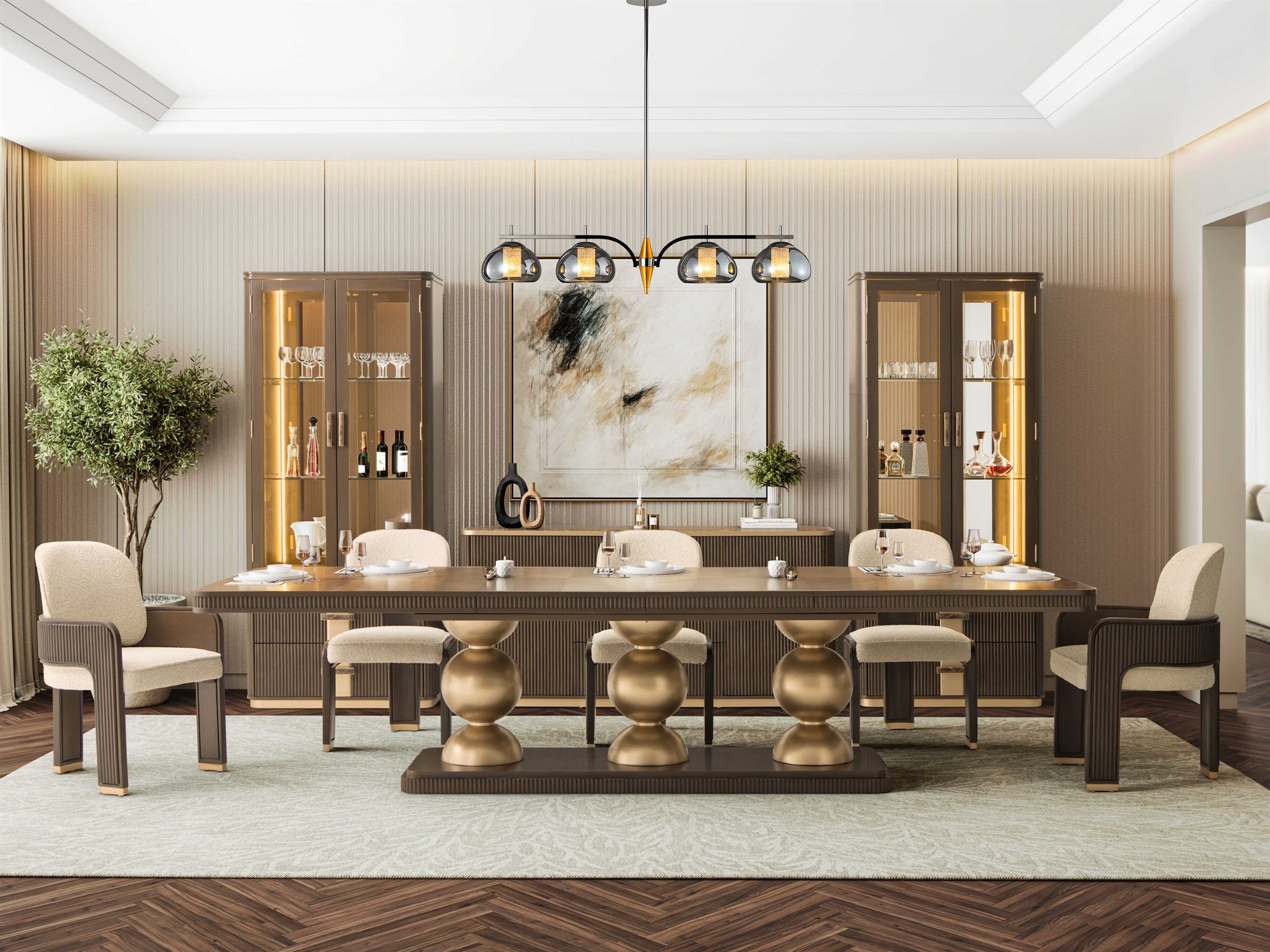
A dining room is more than a place to eat because it often becomes a central space for conversation, celebrations, homework, and everyday family routines. Choosing the right modern dining room furniture means balancing appearance with comfort, durability, room size, and the way you actually use the space. A beautiful table may look impressive but still feel impractical if there is not enough room to move around it. Chairs, lighting, storage, and surrounding accessories also influence how welcoming and functional the room feels. By considering your lifestyle before shopping, you can create a dining area that remains attractive and useful for years.
Start With Your Dining Room and Lifestyle
Before purchasing anything, measure the dining room carefully and consider how people move through the space. Leave enough clearance around the table so chairs can be pulled out comfortably without blocking doors, cabinets, or walkways. The number of people who regularly use the room should also influence the table size and seating arrangement. A compact household may prefer a smaller round or rectangular table, while frequent entertainers may benefit from an extendable design. These practical details should come before selecting a particular style or finish.
Think about how the dining room functions throughout an ordinary week rather than focusing only on special occasions. If children use the table for meals and schoolwork, easy-clean surfaces and sturdy chairs may be more important than delicate finishes. If you regularly host dinner parties, additional seating and an expandable tabletop may provide greater flexibility. People who rarely use a formal dining room might prefer a streamlined setup that can accommodate multiple activities. Matching furniture to real habits helps prevent expensive purchases that look good but remain inconvenient.
Choosing the Right Dining Table
The dining table is usually the visual and functional centerpiece of the room, so its dimensions deserve careful consideration. Rectangular tables work well in longer rooms and can provide substantial seating without consuming unnecessary floor space. Round and oval tables can make conversation easier while reducing sharp corners in smaller or busy spaces. Square tables can suit compact dining areas but may become restrictive when more guests are added. Consider the room's proportions, walking paths, seating requirements, and overall layout before deciding which shape is most suitable.
Material selection should reflect both design preferences and everyday use. Solid wood can provide warmth and durability, while engineered materials, glass, stone, and metal can create a more contemporary appearance. Families with young children may appreciate surfaces that are easier to maintain and less vulnerable to visible marks. Those looking for a distinctive design statement may prefer unusual materials or sculptural bases that turn the table into a focal point. Whatever material you choose, inspect the construction quality, stability, finish, and edge treatment rather than judging the table by appearance alone.
Finding Comfortable and Practical Dining Chairs
Dining chairs need to look good with the table, but comfort should remain a priority because uncomfortable seating can quickly make even an attractive dining room unpleasant. Pay attention to seat height, depth, back support, and the amount of room available between neighboring chairs. Upholstered seats can provide additional comfort, while molded or wooden chairs may offer easier maintenance. Armchairs can create a more substantial appearance but require additional clearance and may not fit beneath every table. Whenever possible, test the chairs with the table before purchasing a complete set.
Mixing chair styles can also create a more individual interior when the proportions and materials remain visually connected. For example, different chair designs can share a similar wood tone, upholstery color, silhouette, or overall scale. This approach works particularly well in contemporary interiors where a perfectly matched dining set may feel overly formal. If you choose contrasting chairs, make sure the differences appear intentional rather than accidental. Consistency in proportions and a limited material palette can help create a cohesive look even when the seating is varied.
Selecting Lighting That Works for the Room
Lighting plays a major role in the atmosphere and usability of a dining area. A pendant or chandelier positioned above the table can provide focused illumination while establishing a strong visual focal point. The fixture should be appropriately scaled to the table and room so that it does not overwhelm the furniture or appear lost within the space. Adjustable or dimmable lighting is especially useful because dining rooms often need different brightness levels for meals, entertaining, and casual activities. Warm, comfortable illumination can also make wood, upholstery, artwork, and decorative finishes appear more inviting.
The height of the lighting fixture matters just as much as its design. A fixture positioned too low may interfere with sightlines and become distracting during conversation, while one placed too high may fail to create the desired visual connection with the table. Consider ceiling height, table dimensions, fixture proportions, and the viewing angles of people seated around the table. Layering the main fixture with wall lights, lamps, or recessed lighting can provide greater flexibility. Natural daylight should also be considered because windows and exterior light strongly affect the room's appearance throughout the day.
Incorporating Collectible Modern Furniture
For homeowners interested in design history, collectible modern furniture can introduce character and long-term interest into a dining room. A notable vintage chair, sideboard, or serving cabinet can become a conversation piece without requiring the entire room to follow one historical style. When purchasing collectible pieces, investigate the designer, manufacturer, materials, construction, condition, and provenance before paying a premium. Not every older item is automatically valuable, and market demand can change over time. Quality craftsmanship and genuine design significance should generally matter more than simply choosing an item because it is old.
Collectible pieces can also be integrated with contemporary furniture rather than displayed in a completely vintage setting. A historic sideboard can work alongside a modern dining table, while contemporary chairs can provide a practical contrast against an older cabinet. This mixture creates visual depth and prevents the room from feeling like a showroom from a single design era. If an item is particularly valuable or delicate, consider how frequently it will be used and whether its condition can withstand everyday activity. Good design should support your lifestyle rather than turning the dining room into a space that feels untouchable.
Balancing Style, Scale, and Function
Successful dining room design depends heavily on proportion. A large table placed in a small room can make movement difficult, while tiny furniture in a spacious room may look disconnected and underwhelming. The same principle applies to lighting, artwork, rugs, storage cabinets, and decorative accessories. Each element should relate to the dimensions of the room and to the other pieces surrounding it. Taking measurements and creating a simple floor plan before shopping can help you visualize how furniture will fit.
Color and material coordination can make different furniture pieces feel connected without requiring them to match perfectly. Warm wood tones can complement neutral upholstery, metal accents, natural textiles, and contemporary lighting. If the table already has a strong visual presence, simpler chairs and accessories may create better balance. Conversely, a restrained table can provide a foundation for more expressive seating or lighting. Aim for repetition rather than exact matching by carrying one or two materials, colors, or shapes throughout the room.
Prioritizing Quality and Long-Term Value
Furniture should be evaluated according to how well it is made, not just how attractive it looks in photographs. Examine joints, hardware, finishes, table stability, chair frames, upholstery seams, and the quality of moving components. A reputable retailer or dealer should be able to provide useful information about materials, dimensions, manufacturing, care requirements, and warranties where applicable. For vintage or collectible purchases, documentation and provenance may also be important. Taking time to investigate these details can reduce the risk of buying furniture that requires expensive replacement or repair soon after purchase.
Budgeting is equally important because a dining room often contains several significant purchases at once. Instead of spending the entire budget on one statement item, decide which pieces require the greatest investment based on frequency of use and expected longevity. A durable dining table may justify a larger portion of the budget because it can remain useful through multiple changes in chairs, lighting, and accessories. Affordable contemporary pieces can then be combined with one or two higher-quality focal points. This approach creates a polished room while keeping the overall investment under control.
Creating a Dining Room That Fits Your Everyday Life
The best dining room is one that feels comfortable during ordinary meals as well as special gatherings. Consider storage needs, cleaning routines, household size, entertaining habits, and whether the room serves additional purposes before finalizing your furniture choices. Modern dining room furniture can be highly practical when each piece is selected according to real requirements rather than temporary trends. Flexible tables, comfortable chairs, adaptable lighting, and useful storage can make the room easier to live with every day. A thoughtful layout also allows the design to evolve as your needs change.
Ultimately, choosing dining furniture is about creating a balance between personal taste and practical decision-making. The table should suit the room, chairs should support comfortable use, and lighting should provide both atmosphere and function. Collectible modern furniture can add personality and design history when selected carefully, while contemporary pieces can keep the space accessible and easy to maintain. Focus on quality, proportion, comfort, and durability instead of chasing every new trend. With these principles in mind, you can build a dining room that looks refined today and continues to serve your lifestyle well into the future.

 English
 French
 Spanish
 Portuguese
 Deutsch
 Turkish
 Dutch
Dutch
 Italiano
 Russian
 Romaian
 Portuguese (Brazil)
 Greek
Greek
