
FSG Networks: MPO Cable Solutions for High-Density Fiber Networks
As modern data centers and enterprise networks expand at an unprecedented rate, the demand for higher bandwidth, faster transmission speeds, and more efficient infrastructure becomes critical. Traditional fiber cabling systems often fall short when dealing with massive volumes of data in confined spaces. This is where advanced connectivity solutions from FSG Networks transform physical layer design. By utilizing high-density fiber architectures, IT professionals can drastically reduce cable clutter and future-proof their network infrastructure.
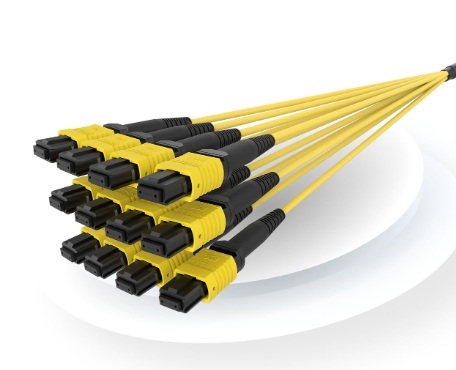
At the core of these modern deployments is the mpo cable, a multi-fiber push-on assembly engineered to maximize space efficiency without sacrificing performance. Whether you are upgrading an enterprise server room, a telecommunication facility, or a hyperscale cloud data center, understanding how to implement these specialized multi-fiber assemblies is essential for optimizing overall network throughput and reliability.
The Evolution of High-Density Fiber Infrastructure
The exponential growth of cloud computing, artificial intelligence workloads, and streaming services requires data centers to scale rapidly. Traditional single-fiber connectors, such as LC and SC types, have long been the standard for point-to-point connections. However, running hundreds or thousands of individual patch cords creates severe airflow blockages, complicates cable management, and increases the risk of human error during maintenance.
High-density fiber networks solve this challenge by consolidating numerous optical fibers into a single, cohesive interface. This architectural shift minimizes physical footprints while exponentially increasing port density. Implementing multi-fiber technology allows network engineers to transition smoothly from legacy 10G and 40G environments to high-speed 100G, 200G, and 400G networks with minimal disruption.
Understanding MPO Cable Technology and Design
An mpo cable (Multi-Fiber Push-On) features a mechanical transfer ferrule that accommodates multiple fibers—typically ranging from 8, 12, 24, or even up to 72 fibers in a single miniature connector. This compact design drastically reduces the space required on patch panels and switches.
Key Components and Variations
-
Pins and Alignment: MPO connectors use precision guide pins and holes to ensure accurate core alignment during mating. Male connectors feature pins, while female connectors do not.
-
Polarity Management: Maintaining correct polarity (Type A, Type B, and Type C methods) is crucial to ensure that the transmitter of one device correctly pairs with the receiver of another.
-
Fiber Types: Available in both Single-Mode (OS2) for long-distance transmissions and Multi-Mode (OM3, OM4, OM5) for short-reach, high-bandwidth data center applications.
Advantages of Deploying FSG Networks Solutions
Choosing the right infrastructure partner determines the long-term reliability of your physical network. FSG Networks delivers engineered cabling solutions designed to meet the rigorous demands of modern enterprises.
1. Superior Space Optimization
Space inside server racks and cable trays is always at a premium. By replacing dozens of individual patch cords with a reliable mpo cable, rack congestion is significantly reduced. This improved organization promotes better airflow, which helps maintain optimal operating temperatures for active hardware and lowers cooling costs.
2. Rapid Deployment and Plug-and-Play Efficiency
Time is money in network expansions. Pre-terminated trunk assemblies eliminate the need for field splicing and polishing. Technicians can snap connectors into place quickly, cutting installation time and labor costs by up to 75% compared to traditional field-termination methods.
3. Future-Proof Scalability
Upgrading network speeds no longer requires a complete overhaul of the underlying cabling infrastructure. A high-density backbone installed today can easily support higher-speed protocols tomorrow simply by swapping out transceiver modules and cassettes at the rack ends.
Best Practices for Installation and Maintenance
To ensure optimal optical performance and minimize insertion loss, strict handling and cleaning procedures must be followed during installation.
-
Inspection and Cleaning: Always inspect connector end-faces using a fiber microscope before mating. Even microscopic dust particles can cause high back-reflection or permanent damage to the glass.
-
Bend Radius Protection: Respect the minimum bend radius specifications during cable routing to prevent micro-bending and macro-bending signal attenuation.
-
Proper Cable Management: Use horizontal and vertical cable managers, D-rings, and velcro straps to support trunk weight and prevent undue stress on the connectors.
Conclusion
As network traffic demands continue to surge, transitioning to high-density architectures is no longer optional—it is a necessity for sustainable growth. FSG Networks provides the robust, reliable connectivity tools required to build agile, future-ready digital environments. By integrating advanced multi-fiber connectivity into your infrastructure, your organization gains the speed, efficiency, and reliability needed to thrive in a data-driven world.
Would you like me to adjust any specific technical details or optimize the placement of additional subheadings for your target audience?
 Turkish
 English
 Arabic
 French
 Spanish
 Portuguese
 Deutsch
 Dutch
Dutch
 Italiano
 Russian
 Romaian
 Portuguese (Brazil)
 Greek
Greek
