
Gyro Meat Recipe: A Homemade Beef Version Full of Flavor
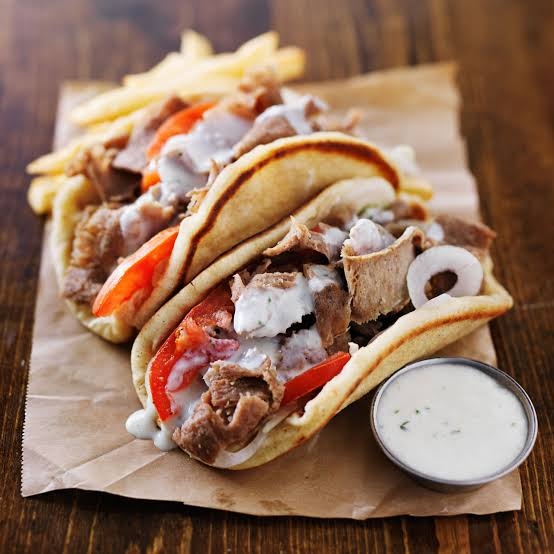
A good gyro starts with well-seasoned meat. When the meat is tender on the inside, browned around the edges, and packed with savory herbs and spices, it becomes the star of the entire meal. Add warm pita, crisp vegetables, and a cool yogurt sauce, and you have a satisfying dish that can work for almost any occasion.
You do not need restaurant equipment to prepare gyro-style meat at home. A regular oven and skillet can produce excellent results when the meat is mixed, shaped, cooked, sliced, and browned correctly.
This Gyro Meat Recipe provides a simple homemade method using ground beef. It is designed for cooks who want flavorful gyro meat without investing in a traditional vertical rotisserie.
Why Homemade Gyro Meat Is Worth Making
Making gyro meat at home allows you to control the ingredients from beginning to end.
You can choose the quality and fat content of the beef, adjust the seasoning, and decide how thin you want the final slices. You can also control the amount of salt and spice.
Homemade preparation is useful when cooking for a family because the meat can be prepared in advance and reheated in smaller portions.
The cooked meat can be served in pita wraps, on salads, over rice, or alongside roasted vegetables.
Once the basic method becomes familiar, it is easy to create several meals from one batch.
Choosing Beef With the Right Texture
Ground beef is a convenient choice for homemade gyro meat because it can be shaped into a loaf and sliced after cooking.
For the best texture, avoid extremely lean beef. A moderate amount of fat can help the meat remain moist and flavorful.
If you prefer a richer flavor, you can combine beef with ground lamb. However, using beef alone keeps the recipe simple and easy to prepare.
Keep the ground meat cold before mixing. This makes handling easier and helps maintain good food-safety practices.
The Seasoning That Gives Gyro Meat Character
The seasoning is what transforms ordinary ground beef into gyro-style meat.
Garlic provides a strong savory foundation, while oregano contributes an aromatic herbal note.
Cumin adds warmth and depth. Paprika gives the mixture additional color and flavor without necessarily making it spicy.
Black pepper provides mild sharpness, and salt brings all the ingredients together.
Finely minced onion can also be included.
You can adjust the seasoning to your taste, but it is best to begin with a balanced combination rather than adding many spices at once.
Preparing Fresh Garlic and Onion
Garlic and onion should be finely minced before they are incorporated into the beef.
Large pieces may create uneven pockets of flavor and can make slicing more difficult.
For a smoother texture, chop the onion very finely. Fresh garlic should also be minced rather than left in large chunks.
Mix these aromatics with the dry seasonings before adding them to the beef.
This makes it easier to distribute everything evenly.
Combining the Ingredients
Place the ground beef into a large mixing bowl.
Add the garlic, onion, oregano, cumin, paprika, salt, and black pepper.
Mix the ingredients until the seasoning is spread throughout the meat.
The mixture should become cohesive as you work it. This helps the finished loaf hold together during slicing.
Do not stop mixing too early because unseasoned areas may remain in the center.
At the same time, there is no reason to continue handling the meat after everything has been evenly incorporated.
Shaping the Gyro Loaf
Transfer the seasoned beef to a loaf pan.
Press the mixture firmly into the pan, paying attention to the corners and edges.
A compact loaf helps create a consistent texture throughout the meat.
If you do not have a loaf pan, shape the beef into a firm rectangular or oval loaf on a baking tray.
Try to keep the thickness relatively even so that the center and edges cook at a similar rate.
The shape does not need to be perfect because the meat will be sliced later.
Cooking the Meat Thoroughly
Preheat the oven before placing the meat inside.
Cook the loaf until the center reaches a safe internal temperature for ground beef.
The exact cooking time depends on the size and thickness of your loaf, so use a food thermometer whenever possible.
Checking the center is more reliable than judging doneness from the outside.
Once the meat has reached a safe temperature, remove it from the oven.
Allow it to rest before attempting to slice it.
Letting the Meat Rest
Resting the cooked loaf helps it become firmer.
This is particularly important because gyro meat needs to be sliced relatively thinly.
If you cut the loaf immediately after removing it from the oven, it may be soft and more likely to crumble.
After a short resting period, use a sharp knife to create thin slices.
Cut across the loaf carefully and try to maintain a similar thickness throughout.
The Secret to Better Browning
Freshly sliced gyro meat can be eaten immediately, but browning the slices adds another layer of flavor.
Heat a skillet and place a few slices inside.
Cook them briefly on each side until the edges become browned.
The meat is already cooked, so this stage is mainly about improving texture and appearance.
Avoid cooking the slices for too long. Excessive heat can dry out the beef.
For larger quantities, work in batches to ensure that each slice has enough contact with the hot pan.
Preparing Tzatziki at Home
A creamy yogurt sauce provides a refreshing contrast to the savory beef.
For homemade tzatziki, combine thick Greek yogurt with grated cucumber, minced garlic, lemon juice, salt, and dill.
The grated cucumber should be squeezed thoroughly before being added to the yogurt.
Mix the ingredients and refrigerate the sauce until serving.
The sauce can be prepared several hours ahead, making it convenient when you are serving multiple people.
If desired, add a little fresh mint for an extra herbal flavor.
Selecting Fresh Gyro Toppings
Fresh vegetables give the finished meal a lighter texture.
Tomatoes provide moisture and mild sweetness. Cucumber adds crunch, while red onion gives the wrap a sharper flavor.
Lettuce can be shredded and added for extra crispness.
Feta cheese is useful when you want a salty, creamy component. Olives can add a deeper savory note.
Pickled onions or peppers are good choices when you want acidity.
Fresh parsley and mint can be sprinkled over the top for additional freshness.
Warming the Pita
A warm pita is easier to fold and gives the finished gyro a softer texture.
Heat each pita briefly in a skillet, oven, or microwave.
Do not leave it on high heat for too long. Overheating can dry the bread and cause it to crack.
If you are making several gyros, cover the warmed pitas with a clean towel.
This helps retain their flexibility while the remaining ingredients are prepared.
Assembling the Beef Gyro
Lay the warm pita flat and spread a generous but manageable layer of tzatziki through the center.
Add several thin slices of browned gyro meat.
Place tomato, cucumber, onion, and lettuce over the beef.
Add optional feta, olives, herbs, or pickled vegetables.
Do not overload the pita. A smaller amount of well-balanced filling is easier to wrap and eat.
Fold the lower edge upward and then bring the sides inward.
Wrap the bottom with parchment paper or foil if you want additional support.
How to Make an Easy Gyro Meat Recipe
The easiest way to manage this recipe is to prepare the components separately.
Cook the beef loaf earlier in the day and refrigerate it after it has cooled appropriately.
Prepare the tzatziki and slice the vegetables in advance.
When you are ready to eat, cut the required amount of beef into thin pieces and brown them in a skillet.
Warm the pita and assemble the gyro.
This approach means the most time-consuming part is already finished, making the final meal quick to prepare.
Making a Beef Gyro Plate
If you do not want to use pita, serve the same ingredients as a plate.
Arrange browned beef slices alongside tomatoes, cucumbers, lettuce, onions, and tzatziki.
Add roasted potatoes or fries for a more substantial meal.
Feta, olives, and fresh herbs can be placed around the plate.
This presentation is especially useful for family dinners because everyone can select the ingredients they prefer.
Turning It Into a Gyro Salad
A salad is another simple way to use homemade gyro meat.
Start with crisp lettuce and add tomato, cucumber, onion, and sliced beef.
Top with tzatziki or a lighter yogurt dressing.
Feta and olives can add additional flavor.
The warm meat provides a hearty component while the vegetables keep the meal fresh.
This option is also convenient when you want the gyro flavors without bread.
Creating a Spicy Variation
The basic beef mixture can easily be made spicy.
Add crushed red pepper flakes, chili powder, or a small amount of cayenne to the seasoning.
You can also add sliced hot peppers to the finished wrap.
For a combination of heat and acidity, pickled jalapeños or other pickled peppers work well.
Add spice gradually so the garlic, oregano, cumin, and beef remain noticeable.
Combining Beef With Lamb
A combination of beef and lamb can provide a deeper and richer flavor.
The beef gives the mixture a familiar savory foundation, while lamb adds a distinctive richness.
Mix the two meats thoroughly before adding the seasonings.
Garlic, oregano, cumin, paprika, salt, and pepper work well with both meats.
Shape and cook the mixture using the same basic method.
This variation is worth trying when you want to explore a more traditional-inspired gyro profile.
Preparing the Meat for Meal Prep
This Beef Gyro Meat Recipe can be adapted for meal preparation.
Cook the entire loaf and allow it to rest before slicing.
Divide the cooked meat into portions and store them in sealed containers in the refrigerator.
Keep pita, vegetables, and tzatziki separate.
When you need a quick meal, reheat a portion of beef in a skillet and brown the edges.
Warm the pita and add fresh toppings.
Separating the components helps maintain better texture throughout storage.
Common Mistakes to Avoid
One common mistake is using beef that is too lean. This can lead to a dry finished texture.
Another mistake is cooking the loaf for longer than necessary. Always check the center rather than relying only on appearance.
Cutting the meat immediately can also make thin slicing difficult.
Overcrowding the skillet is another problem. Too many slices at once can reduce browning.
Finally, avoid overfilling the pita. Keeping the ingredients balanced makes the gyro much easier to wrap.
How to Keep the Meat Flavorful
Seasoning should be distributed evenly throughout the mixture.
Fresh garlic and finely minced onion can help create a stronger savory base.
Oregano and cumin should be noticeable but not overpowering.
Browning the slices just before serving adds additional flavor.
A cool, tangy sauce also helps balance the richness of the meat.
If you are making the recipe for the first time, start with moderate seasoning and adjust it in future batches according to your taste.
Serving Gyro Meat for a Gathering
Homemade gyro meat is convenient for casual gatherings because guests can build their own meals.
Prepare the meat in advance and slice it before serving.
Arrange warm pita, tzatziki, tomatoes, cucumber, lettuce, onions, feta, olives, and herbs around the meat.
Guests can choose their preferred combination.
This setup also reduces the pressure of assembling every wrap individually.
For larger gatherings, prepare additional sauce and vegetables so that everyone has enough toppings.
Final Thoughts
A flavorful Gyro Meat Recipe can be prepared at home without specialized restaurant equipment. Ground beef is seasoned with garlic, onion, oregano, cumin, paprika, salt, and pepper before being shaped into a compact loaf.
After cooking, the meat is rested and sliced thinly. Briefly browning the slices in a hot skillet creates the flavorful edges associated with a satisfying gyro.
This Beef Gyro Meat Recipe is versatile enough for wraps, plates, salads, and bowls. Pair it with warm pita, tzatziki, fresh vegetables, feta, olives, or pickled toppings to create a meal that fits your preferences.
The recipe can also be prepared ahead, making it useful for busy weekdays and casual gatherings. Once you become comfortable with the basic technique, you can experiment with beef-and-lamb combinations, spicy seasonings, and different toppings.
With good-quality beef, balanced seasoning, careful cooking, and thin slicing, homemade gyro meat can become a flavorful addition to your regular meal rotation.

 English
 Arabic
 French
 Spanish
 Portuguese
 Deutsch
 Turkish
 Dutch
Dutch
 Italiano
 Romaian
 Portuguese (Brazil)
 Greek
Greek
