
Greek Gyro Recipe for an Easy Mediterranean-Inspired Meal
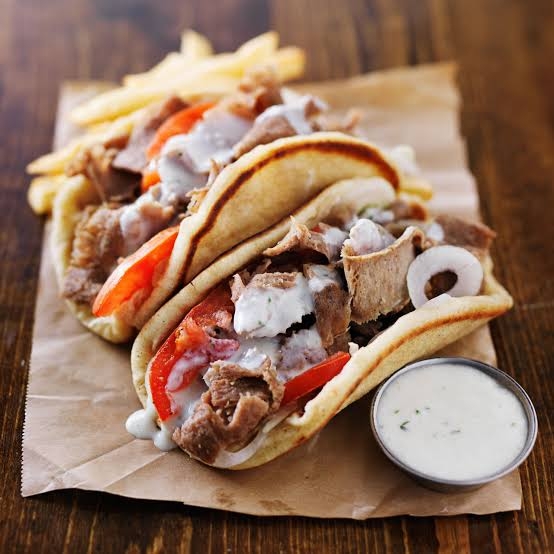
A homemade gyro is a delicious way to bring the flavors of Greece into your kitchen. Warm pita, tender seasoned meat, crisp vegetables, and creamy tzatziki come together to create a meal that is filling without feeling overly complicated. Whether you are cooking for your family, preparing lunch for yourself, or hosting a casual dinner, a well-planned gyro can be an enjoyable addition to your recipe collection.
The beauty of a Greek Gyro Recipe is its flexibility. You can choose different proteins, adjust the seasonings, add your favorite toppings, and prepare the components ahead of time. With fresh ingredients and a few simple techniques, creating a flavorful gyro at home can be easier than it first appears.
Understanding the Classic Greek Gyro
A gyro is traditionally associated with seasoned meat cooked on a vertical rotisserie and sliced into thin pieces. The meat is commonly served inside pita bread with fresh vegetables and tzatziki.
Depending on the region, restaurant, and personal preference, gyros can feature different meats and toppings.
The combination remains appealing because it balances several characteristics at once. The meat provides savory richness, vegetables add freshness, tzatziki contributes cool creaminess, and pita brings everything together.
Ingredients You Need for a Greek Gyro Recipe
A successful gyro begins with quality ingredients.
For the meat, you can use chicken, lamb, pork, or beef. Garlic, oregano, lemon juice, olive oil, salt, and black pepper provide a flavorful Mediterranean-style foundation.
For serving, choose soft pita bread along with tomatoes and thinly sliced onions.
Tzatziki is an important addition, while cucumber, lettuce, feta cheese, parsley, or dill can be added according to preference.
The ingredients do not need to be complicated. What matters most is freshness and balance.
Creating a Flavorful Marinade
The marinade gives the meat much of its character.
Combine olive oil, lemon juice, minced garlic, oregano, salt, and black pepper in a bowl. You can add paprika or other Mediterranean-inspired seasonings if you want additional depth.
Add the meat and coat it thoroughly.
Allow enough time for the marinade to work. Even a few hours can make a noticeable difference in flavor.
For the best results, keep the marinating meat refrigerated until you are ready to cook it.
Greek Chicken Gyro Recipe for a Lighter Option
A Greek Chicken Gyro Recipe is a practical choice for anyone who enjoys the flavors of a traditional gyro but prefers chicken.
Chicken thighs are especially useful because they tend to remain juicy when cooked properly. Chicken breast can also work well when it is not overcooked.
For the chicken marinade, combine olive oil, lemon juice, garlic, oregano, salt, and pepper.
A small amount of paprika can add color and a mild earthy note.
Allow the chicken to marinate before cooking to help develop flavor throughout the meat.
Cooking the Chicken for Your Gyro
Once marinated, the chicken can be prepared using several cooking methods.
A skillet is convenient for smaller portions and can create excellent browning.
Grilling adds a smoky character.
Oven roasting works well when preparing chicken for several people.
Cook the chicken until it reaches a safe internal temperature. Once it is finished, allow it to rest before slicing.
Cutting the chicken into thin strips makes it easier to distribute throughout the pita.
Making Fresh Tzatziki at Home
Tzatziki provides the cool and creamy element that balances the seasoned meat.
Start with Greek yogurt.
Add grated cucumber, minced garlic, lemon juice, a small amount of olive oil, salt, and fresh dill.
The cucumber should be squeezed well before being mixed into the yogurt. Removing excess moisture helps maintain the sauce's creamy consistency.
Allow the tzatziki to rest in the refrigerator before serving so the flavors have time to blend.
Preparing the Vegetables
Fresh toppings are an essential part of the gyro experience.
Slice tomatoes into manageable pieces.
Thinly slice onions so they can be distributed throughout the pita.
Cucumber can provide extra crunch.
Lettuce is another option if you want more texture.
Keep the vegetables chilled until you are ready to assemble the gyros.
Choosing and Warming the Pita
Pita is more than just a container for the ingredients.
It contributes flavor and texture while keeping the fillings together.
Choose pita that is soft and flexible.
Warm it briefly before serving. A warm pita is easier to fold and generally provides a more enjoyable texture.
Avoid overheating it, because dry pita can crack when you try to wrap it.
Adding Feta for Extra Character
Feta cheese is an optional topping that can introduce a salty and tangy element.
It pairs well with tomatoes, onions, cucumber, and tzatziki.
Because feta has a distinctive flavor, a small amount can be enough.
If you prefer a simpler gyro, you can leave it out and focus on the meat, vegetables, sauce, and pita.
Assembling the Perfect Gyro
Once all your ingredients are ready, assembly is quick.
Place the warm pita on a clean surface.
Add the cooked meat down the center.
Layer tomatoes, onions, cucumber, or lettuce on top.
Add a spoonful of tzatziki.
Finish with feta or fresh herbs if desired.
Fold the bottom of the pita upward and wrap the sides around the filling.
Parchment paper or foil can help keep the gyro together.
Creating the Right Flavor Balance
The best gyros combine contrasting flavors.
Savory meat is balanced by tangy tzatziki.
Fresh tomatoes provide sweetness and moisture.
Onions add sharpness.
Pita offers a mild base that connects everything.
Try to avoid using too much of one ingredient. Excess sauce can make the pita soggy, while too many toppings can make the gyro difficult to wrap and eat.
Greek Chicken Gyro Recipe Variations
Once you are comfortable with the basic recipe, there are many ways to customize it.
Add roasted peppers for sweetness.
Include additional cucumber for crunch.
Use fresh parsley for an herbal note.
Add a small amount of feta for saltiness.
You can also adjust the seasoning of the chicken by adding paprika, additional oregano, or other preferred herbs.
The basic technique remains the same while the final flavor can change significantly.
Making Gyros for a Family Dinner
Gyros are excellent for family meals because the ingredients can be served separately.
Place cooked chicken or another protein on a platter.
Arrange tomatoes, onions, cucumber, lettuce, feta, and tzatziki in separate bowls.
Warm the pita shortly before serving.
Everyone can assemble a gyro based on personal preferences.
This approach is particularly helpful when family members have different tastes.
Preparing a Gyro Bar for Guests
For casual entertaining, create a DIY gyro station.
Prepare the meat ahead of time and organize the toppings in individual serving bowls.
Keep the tzatziki chilled and warm the pita before guests begin assembling their meals.
A self-serve setup allows everyone to create a gyro that suits their preferences.
Tips for Better Browning
Browning adds another layer of flavor to cooked meat.
If you are using a skillet, avoid overcrowding the pan.
Too much meat at once can reduce the temperature and cause steaming instead of browning.
Cook in batches if necessary.
Allowing the surface of the meat to develop a golden exterior can improve both texture and flavor.
Keeping Chicken Moist and Tender
Chicken can become dry if it is cooked too long.
Cutting the pieces evenly can help them cook at a similar rate.
Marinating provides additional flavor and moisture.
Monitor the cooking process carefully and remove the chicken when it reaches the appropriate internal temperature.
Allowing the meat to rest briefly before slicing can also help preserve its juices.
Preparing Components Ahead of Time
One advantage of homemade gyros is that many components can be prepared in advance.
Tzatziki can be made earlier in the day.
Vegetables can be sliced and refrigerated.
The meat can be marinated before cooking.
When mealtime arrives, you only need to cook the meat, warm the pita, and assemble the gyros.
Serving Gyros With Side Dishes
A gyro can become part of a larger Mediterranean-inspired meal.
Serve it with a Greek-style salad made from tomatoes, cucumber, olives, and feta.
Roasted potatoes can provide a hearty accompaniment.
You can also add grilled vegetables or another simple side.
Keeping the sides fresh and relatively simple allows the gyro to remain the focus.
Storing Leftover Gyro Components
If you have leftovers, store each component separately.
Keep cooked meat in an airtight container in the refrigerator.
Store vegetables in their own container.
Keep tzatziki chilled and separate from the pita.
This prevents moisture from making the bread soggy.
Reheating the Meat
When reheating leftover gyro meat, use moderate heat.
A skillet can warm the meat quickly while helping maintain its texture.
A microwave can also be used for convenience, particularly for small portions.
Avoid overheating because repeated high temperatures can dry out the meat.
Common Greek Gyro Recipe Mistakes
One common mistake is using too much tzatziki.
While the sauce is important, excessive amounts can overpower the other ingredients.
Another mistake is underseasoning the meat.
Garlic, oregano, lemon, salt, and pepper help create the Mediterranean flavor associated with gyros.
Cold, dry pita can also make the final meal less enjoyable.
Making the Recipe Your Own
A Greek Gyro Recipe should be flexible enough to reflect your personal taste.
If you enjoy garlic, increase the amount in your tzatziki or marinade.
If you prefer a stronger lemon flavor, add more fresh lemon juice.
If you like heat, introduce a little chili seasoning.
You can also change the vegetable toppings depending on what you have available.
Why Greek Chicken Gyros Are So Versatile
The Greek Chicken Gyro Recipe works well for many occasions.
It can become a quick weekday dinner, a convenient lunch, a family meal, or part of a casual gathering.
Chicken is also easy to pair with a variety of vegetables and sauces, making it simple to adjust the recipe without losing its Mediterranean character.
Making Gyros More Convenient
Planning ahead can make homemade gyros much easier.
Prepare the tzatziki in advance.
Marinate the meat earlier.
Wash and cut the vegetables before mealtime.
Warm the pita just before serving.
This approach minimizes last-minute preparation and makes the meal feel effortless.
Why Fresh Ingredients Matter
Fresh ingredients can make a noticeable difference in homemade gyros.
Fresh tomatoes have better flavor and texture.
Crisp vegetables add contrast.
Fresh herbs provide brightness.
Good-quality yogurt makes a creamy tzatziki.
Together, these ingredients create a more enjoyable meal.
Turning a Simple Recipe Into a Complete Meal
A gyro already contains several food components, but adding a few complementary sides can make dinner feel more complete.
A fresh salad adds vegetables.
Roasted potatoes provide additional substance.
Fresh fruit can provide a simple finish.
The result is a meal that feels substantial without requiring an elaborate preparation process.
Enjoying Gyros as a Social Meal
Gyros are naturally suited to sharing.
Friends and family can choose their own fillings and toppings.
A table filled with pita, seasoned meat, vegetables, sauces, and cheese creates an interactive dining experience.
It also allows everyone to customize their meal.
Final Thoughts
A homemade gyro combines warm pita, seasoned meat, fresh vegetables, creamy tzatziki, and optional toppings into one flavorful Mediterranean-inspired meal. The versatility of a Greek Gyro Recipe makes it easy to adapt to different tastes, cooking methods, and occasions.
For a chicken-based option, the Greek Chicken Gyro Recipe offers tender, seasoned chicken paired with fresh vegetables and cool tzatziki. It is practical enough for a weekday meal while still being flavorful enough for a relaxed dinner with family or friends.
The secret to a satisfying gyro is not complicated. Focus on well-seasoned meat, fresh toppings, warm pita, and a balanced sauce. Prepare the ingredients carefully, avoid overcrowding the filling, and customize the toppings to suit your preferences.
Once you master the basic technique, you can experiment with proteins, vegetables, seasonings, and sauces to create your own favorite version. With a little preparation, a homemade gyro can bring the fresh, comforting character of Greek-inspired cooking directly to your table.

 English
 Arabic
 French
 Spanish
 Portuguese
 Deutsch
 Turkish
 Dutch
Dutch
 Italiano
 Russian
 Portuguese (Brazil)
 Greek
Greek
