
QR Code Restaurant Ordering System: Modernizing the Way Customers Order Food
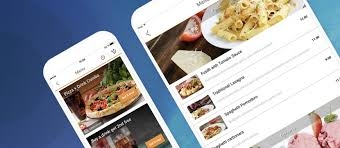
Restaurant technology is changing how customers interact with food businesses. From digital menus to online payments and automated kitchen workflows, technology is helping restaurants create more convenient experiences while supporting employees behind the scenes.
A QR Code Restaurant Ordering System is one of the solutions restaurants can use to modernize their ordering process. Customers scan a QR code with a smartphone and access a digital menu. From there, they can browse food and beverages, customize available items, add products to a cart, place an order, and potentially pay without waiting for traditional table service.
For restaurant owners, QR ordering can become more than a digital menu. When integrated with POS software, payment systems, Kitchen Display Systems, inventory platforms, and customer loyalty tools, it can form an important part of a connected restaurant operation. Nova Flare Connect can be considered when businesses are evaluating connectivity solutions for this type of technology environment.
Understanding QR Code Restaurant Ordering
A QR code is a scannable digital code that can direct a smartphone to online content.
In a restaurant, the code can lead customers to a digital menu or ordering platform.
Instead of handing customers a physical menu, the restaurant can provide a QR code on the table or another visible location.
After scanning, customers can view available products and begin their order.
The ordering platform can then transmit the order to the restaurant's connected systems.
Why QR Ordering Has Become Popular
Convenience is a major factor behind QR ordering.
Customers can access the menu without waiting for a server to bring it to the table.
They can also spend more time reviewing food descriptions and making selections.
During busy periods, QR ordering can provide another way for customers to submit orders.
For restaurants, this can help distribute ordering activity across digital and traditional channels.
Providing a Faster Ordering Experience
Waiting can affect the dining experience.
Customers may have to wait for menus, wait to place an order, or wait for a server to return after deciding what they want.
A QR ordering system gives customers the option to begin the process themselves.
They can scan the code, browse the menu, and submit their order when ready.
The restaurant still provides food service and hospitality, but the ordering process can become more flexible.
Making Menus Easier to Update
Restaurants frequently change their menus.
New dishes may be introduced, prices can change, and seasonal products may come and go.
Updating printed menus can require time and expense.
A digital menu can be updated electronically when supported by the platform.
This gives restaurants greater flexibility when managing menu content.
Creating a More Interactive Menu
A digital menu can provide information beyond text.
Restaurants can include product images, detailed descriptions, customization options, dietary information, and promotional messages.
Customers can interact directly with the menu.
This can make the ordering process more informative.
However, restaurants should keep digital menus organized so customers do not become overwhelmed.
Supporting Custom Food Orders
Food customization is common across many restaurant categories.
Customers may want to add toppings, remove ingredients, select sauces, change sides, or choose different sizes.
A QR Code Restaurant Ordering System can present supported modifications as selectable options.
Customers can make their choices before submitting an order.
This can reduce the need for employees to manually interpret every customization.
Improving Order Accuracy
Customer-entered orders can potentially reduce some communication errors.
The customer sees the available choices and selects them directly.
The order information can then be transmitted digitally when the system is properly integrated.
Customers should still have the opportunity to review their order before submitting it.
Restaurants should also maintain procedures for handling special requests that are not available through the digital menu.
Supporting Table Ordering
QR ordering is particularly useful for table service.
A QR code can be placed at each table.
Customers scan the code and access the restaurant's digital ordering system.
Depending on the technology, the table number may be associated automatically with the order.
This can help restaurant employees identify where the food needs to be delivered.
Supporting Counter-Service Restaurants
QR ordering is not limited to full-service dining.
Counter-service restaurants can place QR codes in visible locations.
Customers can scan the code and order from their phones instead of waiting in a line.
The restaurant can receive the order electronically and prepare it for pickup.
This can provide another ordering option during high-traffic periods.
Supporting Takeout and Pickup
Customers can use QR ordering to arrange takeaway orders.
They can browse the menu and select products before reaching the restaurant.
The restaurant can prepare the order according to its workflow.
When the customer arrives, the order can be collected.
Restaurants should clearly communicate pickup procedures to minimize confusion.
Connecting QR Ordering With POS Software
POS integration is one of the most important considerations.
The restaurant POS may manage products, prices, modifiers, taxes, discounts, and transactions.
If the QR ordering platform integrates with the POS, orders can move into the restaurant's existing sales workflow.
This can reduce duplicate entry and simplify order management.
Restaurants should confirm that their chosen QR platform supports their POS software.
Sending Orders to a Kitchen Display System
The kitchen needs accurate information to prepare every order.
A Kitchen Display System can receive digital orders and organize them for kitchen staff.
When the QR ordering platform connects with the POS and KDS, customer selections can flow through the system electronically.
This can help kitchen employees manage orders from different channels.
Enabling Digital Payments
Many QR ordering platforms support digital payment options.
Customers may be able to pay directly from their phones using compatible cards or mobile wallets.
The system should clearly present the order total before the transaction is completed.
Restaurants should review payment provider compatibility, processing costs, security features, and supported payment methods.
Supporting Loyalty Programs
Restaurants can connect QR ordering with loyalty functionality when supported.
Customers may be able to enter their loyalty information during checkout.
Purchases can potentially contribute toward points or rewards.
This can make the QR ordering experience part of a broader customer retention strategy.
Using Promotions and Upselling
Digital ordering platforms can display relevant promotions during the ordering process.
Restaurants may highlight meal combinations, seasonal items, beverages, desserts, or other additions.
The system can also provide recommendations before checkout.
When used appropriately, these features can help increase order value while giving customers more choices.
Managing Product Availability
Restaurants occasionally run out of ingredients or menu items.
A digital menu should be updated when products become unavailable.
If the QR ordering platform integrates with other restaurant systems, availability may be managed more efficiently.
Preventing customers from ordering unavailable items can improve the overall experience.
Connecting With Inventory Management
Inventory management can provide restaurants with visibility into ingredient usage.
When compatible systems exchange sales information, restaurant managers may have better insight into product demand.
This can support purchasing and preparation decisions.
The extent of inventory automation depends on the software ecosystem.
The Role of Reliable Connectivity
QR ordering may look simple to customers, but it depends on multiple connected systems.
The customer's smartphone needs to access the ordering platform.
The ordering platform may need to communicate with the POS.
The POS may connect to the KDS.
Payment systems process transactions.
Inventory, loyalty, analytics, and other services may also communicate with the restaurant's technology environment.
Reliable connectivity helps these systems work together.
Nova Flare Connect and Restaurant Connectivity
Nova Flare Connect can be considered by restaurants evaluating connectivity solutions for QR ordering environments.
A restaurant may use POS terminals, kitchen displays, payment devices, printers, customer-facing screens, inventory software, mobile ordering platforms, and cloud services.
Businesses should assess their network capacity, reliability, security, device compatibility, and future scalability.
A well-planned connectivity environment can help support communication between the technologies that power modern restaurant operations.
Protecting Customer Information
Digital ordering platforms can process customer information depending on their features.
This may include contact details, order history, account information, and payment-related information.
Restaurants should choose appropriate technology providers and follow responsible data management practices.
Security measures such as access controls, authentication, software updates, and careful information handling should be considered.
Designing an Accessible Digital Menu
Not every customer will have the same level of comfort with QR technology.
The digital menu should be simple and easy to navigate.
Text should be readable.
Buttons should be large enough to use on smartphones.
The ordering process should not require unnecessary steps.
Restaurants should also maintain an alternative ordering method for customers who cannot use QR ordering.
Keeping the QR Code Functional
The QR code needs to work consistently.
Restaurants should periodically scan their codes and verify that they direct customers to the correct menu.
Codes should remain visible and undamaged.
If the restaurant changes its ordering platform, all relevant QR codes should be tested and updated as necessary.
Training Restaurant Employees
QR ordering does not eliminate the need for trained employees.
Staff members should understand how digital orders reach the POS and kitchen.
They should also know how to assist customers who need help.
Managers should understand basic troubleshooting procedures.
Training can help employees confidently support the new ordering process.
Preparing for Technology Failures
Restaurants should have a backup process in case the ordering system becomes unavailable.
Network interruptions, software issues, payment failures, or POS problems can affect digital ordering.
Employees should know how to continue taking orders through an alternative process.
A contingency plan can help minimize disruption.
Measuring QR Ordering Results
Restaurant owners can use several metrics to evaluate QR ordering.
These may include:
-
Number of QR orders
-
Average order value
-
Order completion rate
-
Popular products
-
Upselling results
-
Customer feedback
-
Peak ordering periods
-
Loyalty engagement
Regularly reviewing this information can help restaurants refine their digital strategy.
Choosing the Right QR Ordering Platform
Restaurants should compare platforms based on their operational requirements.
Important considerations include POS integration, KDS compatibility, payment support, menu management, table identification, loyalty features, promotions, analytics, security, scalability, support, and cost.
The best system is one that fits the restaurant's workflow and customer expectations.
Preparing for a Connected Restaurant Future
QR ordering is only one part of restaurant digital transformation.
Businesses are increasingly connecting digital menus with POS software, Kitchen Display Systems, payment technology, inventory systems, loyalty programs, self-ordering kiosks, and customer-facing screens.
As more systems become connected, restaurants need dependable technology infrastructure.
Final Thoughts
A QR Code Restaurant Ordering System can provide customers with a convenient way to browse menus and place orders from their smartphones.
For restaurants, the technology can support table ordering, counter service, pickup, digital payments, menu management, loyalty programs, promotions, and more.
The greatest value often comes from integration. When QR ordering works with POS software, Kitchen Display Systems, payment platforms, inventory management, and other restaurant tools, the ordering process can become more connected.
Nova Flare Connect can be considered when evaluating connectivity solutions for this technology environment.
Before choosing a system, restaurants should evaluate their existing technology, customer preferences, menu requirements, security needs, connectivity infrastructure, employee workflows, and plans for future growth.
With thoughtful implementation, QR ordering can become an effective part of a modern restaurant strategy, giving customers more control while helping businesses build a convenient and connected ordering experience.

 English
 Arabic
 French
 Spanish
 Portuguese
 Deutsch
 Turkish
 Dutch
Dutch
 Italiano
 Russian
 Romaian
 Portuguese (Brazil)
