
Residential Solar System: A Smarter Energy Solution for Pakistani Homes
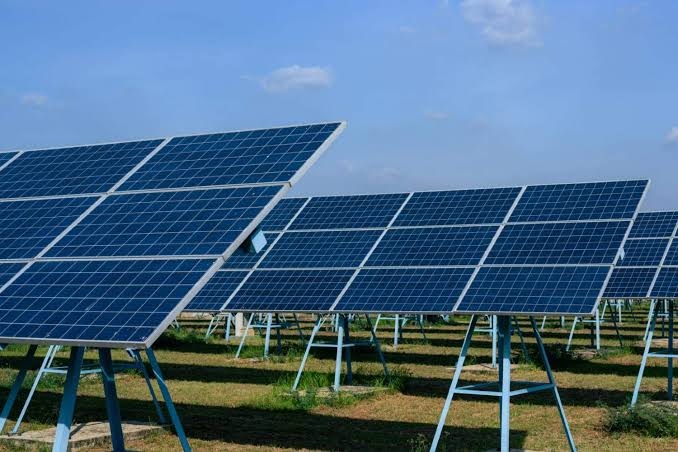
Electricity has become an important household expense, making energy efficiency a priority for homeowners across Pakistan. A residential solar system can help families generate their own electricity using sunlight while reducing dependence on conventional grid power. With the right system design, homeowners can enjoy cleaner energy, greater energy independence, and better control over long-term electricity costs. DSG Energy provides customized residential solar solutions based on each home's energy requirements.
What Is a Residential Solar System?
A residential solar system is a solar power setup designed to generate electricity for a home. Solar panels capture sunlight and convert it into DC electricity, while an inverter converts that electricity into AC power that household appliances can use.
The size and configuration of a residential solar system depend on factors such as household electricity consumption, available roof space, daily usage patterns, and the homeowner's preferred system type.
DSG Energy states that its residential solutions are customized according to individual energy requirements, helping homeowners select a suitable solar configuration for their property.
Why Install Solar Panels at Home?
For many homeowners, the biggest motivation for installing solar is reducing electricity expenses. A properly designed system can generate electricity during daylight hours and reduce the amount of power required from the grid.
Solar energy can also provide greater control over household energy generation. Instead of relying entirely on conventional electricity, homeowners can produce a portion of their own electricity directly from sunlight.
Solar is also a renewable energy source. Using it can support cleaner energy consumption while helping households reduce their dependence on conventional power generation.
Types of Residential Solar Systems
Residential solar systems can generally be divided into three main categories: on-grid, hybrid, and off-grid systems. Each option has different features and is suitable for different household requirements.
On-Grid Solar System
An on-grid or grid-tied solar system is connected directly to the electricity grid. It generally does not require a battery bank and can be a practical option for homes that remain connected to utility electricity.
During periods when solar production is insufficient, the home can draw electricity from the grid. When the solar system produces more electricity than the household consumes, applicable grid-export arrangements may allow surplus electricity to be sent to the grid.
DSG Energy identifies on-grid systems as a commonly used option for residential applications and highlights their potential for reducing installation and maintenance costs compared with systems requiring battery storage.
Hybrid Solar System
A hybrid solar system combines grid connectivity with battery storage. This allows a home to use solar energy while also having battery storage available for suitable backup or energy-management needs.
Hybrid systems can be useful for homeowners who want greater flexibility than a basic grid-tied installation. They can store surplus solar electricity and make it available later, depending on the system configuration and battery capacity.
DSG Energy describes hybrid systems as an expandable and future-ready option that combines grid-connected solar with energy storage.
Off-Grid Solar System
An off-grid solar system operates independently of the utility grid. Because the property cannot rely on grid electricity when solar production is unavailable, these systems generally require substantial battery storage and may also use backup generation.
Off-grid systems can be particularly relevant for locations where reliable grid electricity is unavailable or difficult to access. The system must be carefully sized to meet the home's electricity requirements throughout different conditions.
Main Components of a Residential Solar System
A complete home solar installation consists of several important components.
Solar Panels
Solar panels are responsible for capturing sunlight and converting it into electricity. The number of panels required depends on the desired system capacity and available installation area.
Solar Inverter
The inverter converts the DC electricity generated by solar panels into AC electricity that household appliances can use. The inverter is an important part of the overall system and should be selected according to the system's design.
Mounting Structure
Solar panels need a secure mounting structure. The structure should be appropriate for the roof or installation location while considering factors such as orientation, available space, and local conditions.
Battery Storage
Batteries are generally associated with hybrid and off-grid systems. They store electricity for later use and can provide additional flexibility when solar generation is unavailable.
Monitoring System
Modern solar systems can include monitoring technology that allows homeowners to track energy generation and system performance. DSG Energy also highlights cloud-based monitoring as part of its solar service approach.
How Does a Home Solar System Work?
The process is relatively straightforward.
First, solar panels absorb sunlight and generate DC electricity. The inverter then converts this electricity into AC power for household use.
During the day, solar electricity can supply appliances such as air conditioners, refrigerators, fans, lights, pumps, and other household equipment. If the system produces more electricity than the home needs, the treatment of that surplus depends on the system type and applicable grid arrangements.
For grid-connected homes, electricity can also be imported from the grid when household demand exceeds solar production.
Benefits of a Residential Solar System
Reduced Electricity Dependence
Generating electricity at home can reduce reliance on conventional grid power. This can be especially useful for households with significant daytime electricity consumption.
Potential Long-Term Savings
Solar is a long-term energy investment. The amount a homeowner can save depends on system capacity, electricity consumption, solar generation, equipment costs, tariffs, and applicable grid policies.
Renewable Energy Generation
Solar panels generate electricity from sunlight, making solar a renewable source of energy. This can help households move toward cleaner energy consumption.
Better Energy Management
Monitoring technology can provide homeowners with information about solar production and electricity usage. Understanding these patterns can help families make better energy-management decisions.
Flexible System Options
Homeowners can choose between on-grid, hybrid, and off-grid configurations depending on their electricity requirements and circumstances.
Net Metering and Residential Solar
Net metering has traditionally been an important consideration for grid-connected solar users. It allows eligible solar customers to send surplus electricity to the grid under applicable regulations and receive credits or other billing treatment.
The exact process and financial benefits depend on current regulations and utility arrangements. DSG Energy provides assistance with the net-metering process, including application preparation and related steps.
Because solar policies and electricity regulations can change, homeowners should confirm the latest requirements before making a final investment decision.
How to Choose the Right Residential Solar System
Choosing a system should begin with an assessment of the home's actual electricity consumption.
Homeowners should consider:
- Monthly electricity usage
- Daytime and nighttime consumption
- Number of air conditioners and major appliances
- Available roof space
- Roof condition and orientation
- Backup power requirements
- Future electricity needs
- Battery requirements
- Budget and financing options
A professional solar survey can help determine the appropriate system size and configuration.
Importance of Professional Solar Installation
A solar system is a long-term investment, so professional installation is important. Incorrect panel positioning, poor electrical connections, unsuitable structures, or inadequate system sizing can affect performance and reliability.
DSG Energy says its residential systems are designed by technical experts according to customer requirements and offers installation, warranties, monitoring, and customer support as part of its solar services.
Solar System Maintenance
Solar panels generally require routine maintenance to keep the system operating efficiently. Dust and dirt can accumulate on panels and reduce their ability to receive sunlight effectively.
Regular inspection can also help identify electrical, structural, or equipment-related issues.
DSG Energy describes its after-sales support as including PV module cleaning, cable dressing, bolt tightening, preventive maintenance, technical support, and system monitoring.
Solar Financing for Homeowners
The initial cost of a residential solar system can be a concern for some families. Financing options may make solar more accessible by spreading project costs over a period of time.
DSG Energy notes that financing can be available through banking partners and says its financing experts can assist customers with financial feasibility and available options.
Homeowners should compare financing terms, total costs, interest rates, and repayment conditions before selecting a financing option.
Why Choose DSG Energy for Residential Solar?
Choosing the right solar provider is important because the quality of system design and installation can affect long-term performance.
DSG Energy provides residential solar solutions based on individual energy requirements and offers on-grid and battery-backup options. Its services also include technical support, monitoring, installation, and after-sales assistance.
The company also showcases solar installations and projects across Pakistan, demonstrating experience with different types of solar applications.
Frequently Asked Questions
How much solar power does a home need?
The required capacity depends on the home's electricity consumption, appliance usage, available roof space, and desired level of grid independence. A professional energy assessment can help determine the appropriate size.
Can a residential solar system work during cloudy weather?
Yes. Solar panels can still generate electricity during cloudy conditions, although production is generally lower than under strong direct sunlight.
Do I need batteries for home solar?
Not necessarily. On-grid systems can operate without batteries, while hybrid and off-grid systems can use battery storage depending on the homeowner's requirements.
Can I expand my solar system later?
A system may be expandable if the original design, inverter capacity, electrical infrastructure, and available installation space support future expansion.
How long do solar panels last?
Solar panels are designed for long-term operation. Warranty periods vary by manufacturer and product. DSG Energy states that its solar panels come with a 25-year warranty.
Conclusion
A residential solar system can provide homeowners with a practical way to generate renewable electricity, reduce dependence on conventional power, and improve long-term energy management. Whether a homeowner chooses an on-grid, hybrid, or off-grid system, the right solution should be based on actual electricity consumption, property conditions, backup requirements, and future energy needs.
Professional system design, quality equipment, proper installation, monitoring, and after-sales support are all important for achieving reliable performance. With a customized approach, solar energy can become a valuable long-term addition to modern homes in Pakistan.
 English
 Arabic
 French
 Spanish
 Portuguese
 Deutsch
 Turkish
 Dutch
Dutch
 Italiano
 Russian
 Romaian
 Portuguese (Brazil)
 Greek
Greek
