
Deepening Personal Practice: 7 Daily Habits for Yoga
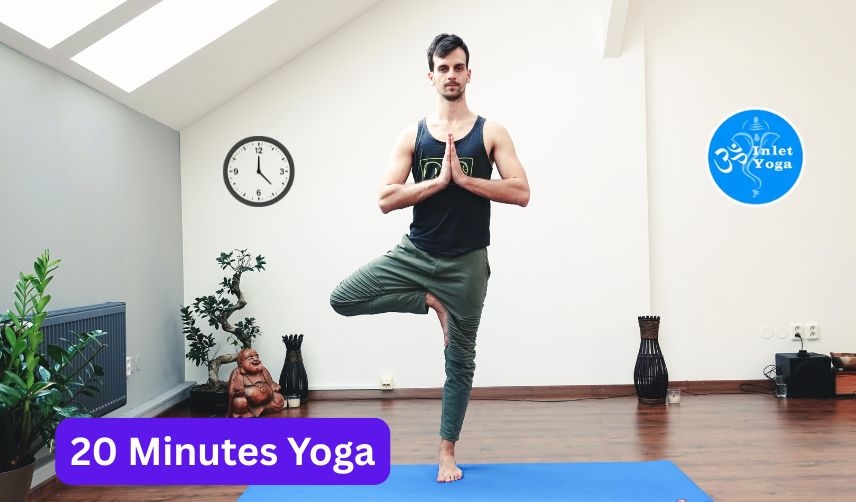
What Daily Habits Can Help With Deepening Personal Practice?
Deepening personal practice starts with small, consistent habits rather than simply doing longer or harder yoga sessions. Setting a regular practice time, focusing on breath, listening to your body, reflecting after practice, learning from teachers, and staying consistent can help you build greater awareness and connection with yoga over time.
Have you ever wondered why attending yoga classes regularly does not always make your practice feel deeper? You may know the poses, follow your teacher, and still feel like you are repeating the same routine. The missing piece may not be another advanced pose. It may be what you do before, during, and after your practice.
What Does Deepening Personal Practice Really Involve?
Deepening your practice is not about proving how advanced you are. It means becoming more aware of your body, breathing, concentration, and responses during yoga.
For one person, this might mean practicing more consistently. For another, it could mean understanding alignment, developing better breath awareness, or learning when the body needs rest.
A deeper practice can involve:
-
More consistent practice
-
Greater body awareness
-
Conscious breathing
-
Better concentration
-
Reflection after practice
-
Learning from experienced teachers
-
Applying yoga principles beyond the mat
The important part is how intentionally you practice, not simply how much you practice.
7 Daily Yoga Habits That Can Deepen Your Practice
You do not need to completely change your lifestyle. A few simple habits can give your practice more purpose and consistency.
1. Choose a Regular Time to Practice
One of the simplest daily yoga habits is choosing a realistic time for yoga.
You do not have to practice for an hour every day. Ten or fifteen focused minutes can be useful when they become part of your routine.
Choose a time that works with your schedule rather than copying someone else's routine. A practice you can maintain is more useful than an ambitious schedule you quickly abandon.
2. Begin With an Intention
Before you start moving, take a moment to ask what you need from your practice today.
Maybe you want to release physical tension. Perhaps you need to slow down after a demanding day, or you want to focus on your breathing.
Your intention can be as simple as:
-
Stay present
-
Breathe steadily
-
Move without rushing
-
Listen to my body
-
Give myself time to focus
This small pause can change the way you approach the entire session.
3. Pay Attention to Your Breathing
It is easy to focus so much on posture that breathing becomes secondary.
Instead, notice what happens to your breath as you move. Does it become shallow during a challenging pose? Do you hold it without realizing it? Does slowing down your movement make your breathing steadier?
You do not need to force anything. Simply noticing these patterns can help you become more aware of your physical and mental state.
4. Listen to Your Body
A deeper practice does not mean pushing your body as far as possible.
Pay attention to sensations such as tension, fatigue, instability, and discomfort. Learn to recognize when a movement requires patience rather than more effort.
Some days your body may feel strong and open. Other days, a gentler approach may be more appropriate.
Listening to these differences helps you practice according to what your body actually needs.
5. Spend a Few Minutes Reflecting
After practice, resist the urge to immediately move on to the next part of your day.
Take a few moments to notice how you feel.
Ask yourself:
-
What felt comfortable today?
-
Where did I feel tension?
-
Was my breathing steady?
-
What distracted me?
-
Did anything feel different from my previous practice?
You can even keep a short journal. Over time, these observations can help you identify patterns that may not be obvious from one session.
6. Keep Learning From Experienced Teachers
Practicing independently has value, but guidance can add another layer to your learning.
An experienced yoga teacher can help you understand alignment, breathing techniques, modifications, and the purpose behind different practices. They can also help you recognize habits you may not notice yourself.
This is especially helpful if you are returning to yoga after a break, beginning a new style, or trying to work toward a specific practice goal.
At Inlet Yoga in Manasquan, NJ, students can explore different class styles, private yoga sessions, workshops, and a 200-hour Yoga Teacher Training program. Having different ways to learn can support students as their interests and experience develop.
7. Bring Yoga Into Everyday Life
Your yoga practice does not have to end when you leave the mat.
You might take a few conscious breaths before an important meeting, pay attention to your posture while working, or pause for a moment when you feel stressed.
These small moments can help connect your formal practice with everyday experiences.
That is often where deepening personal practice becomes more noticeable. Yoga starts to influence how you pay attention, respond, and care for yourself outside class.
A Simple Weekly Practice Framework
If you are unsure where to begin, keep your routine simple.
|
Habit |
Simple Approach |
|
Movement |
Practice for 10–20 minutes |
|
Breathing |
Spend a few minutes observing your breath |
|
Learning |
Attend a class or ask a teacher a question |
|
Reflection |
Write down one observation |
|
Recovery |
Give your body time to rest |
|
Consistency |
Return to your practice after missed days |
You do not have to follow this schedule perfectly. Its purpose is to make your practice easier to approach consistently.
The Real Goal Behind a Deeper Practice
It can be tempting to measure progress through difficult poses or longer sessions. But those are only a small part of the picture.
A deeper practice may show itself through greater body awareness, steadier breathing, improved concentration, or a better understanding of when to challenge yourself and when to slow down.
So, if you are asking what daily habits can help with deepening personal practice, start small. Choose a regular time, set an intention, observe your breath, listen to your body, reflect on your experience, keep learning, and give yourself enough patience to develop.
You do not need to rush toward an advanced practice. The depth of your yoga can grow through the attention you bring to the practice you already have.
Author Bio
With experience in yoga and wellness education, the writer shares practical guidance to help readers build consistent yoga habits, improve body awareness, and develop a deeper personal practice.
FAQs
What does deepening personal practice mean in yoga?
Deepening personal practice means developing greater awareness of your body, breath, focus, and overall approach to yoga. It is not simply about performing advanced poses or practicing for longer.
What daily habits can help with deepening personal practice?
Consistent practice, conscious breathing, body awareness, setting an intention, reflecting after yoga, learning from experienced teachers, and maintaining a balanced routine can all support a deeper practice.
How often should you practice yoga to deepen your personal practice?
There is no single schedule that works for everyone. A short, consistent practice several times a week can be more useful than occasional long sessions that are difficult to maintain.
Can daily yoga habits improve body awareness?
Yes. Regularly paying attention to movement, breathing, tension, balance, and physical sensations can help you become more aware of how your body responds during practice.
Does deepening personal practice require advanced yoga poses?
No. A deeper practice is not defined by how difficult your poses are. Breath awareness, concentration, consistency, self-observation, and understanding your body's needs can all contribute to personal growth in yoga.

 English
 French
 Spanish
 Portuguese
 Deutsch
 Turkish
 Dutch
Dutch
 Italiano
 Russian
 Romaian
 Portuguese (Brazil)
 Greek
Greek
