
Explore Box Styles & Materials: Find the Perfect Packaging for Your Brand
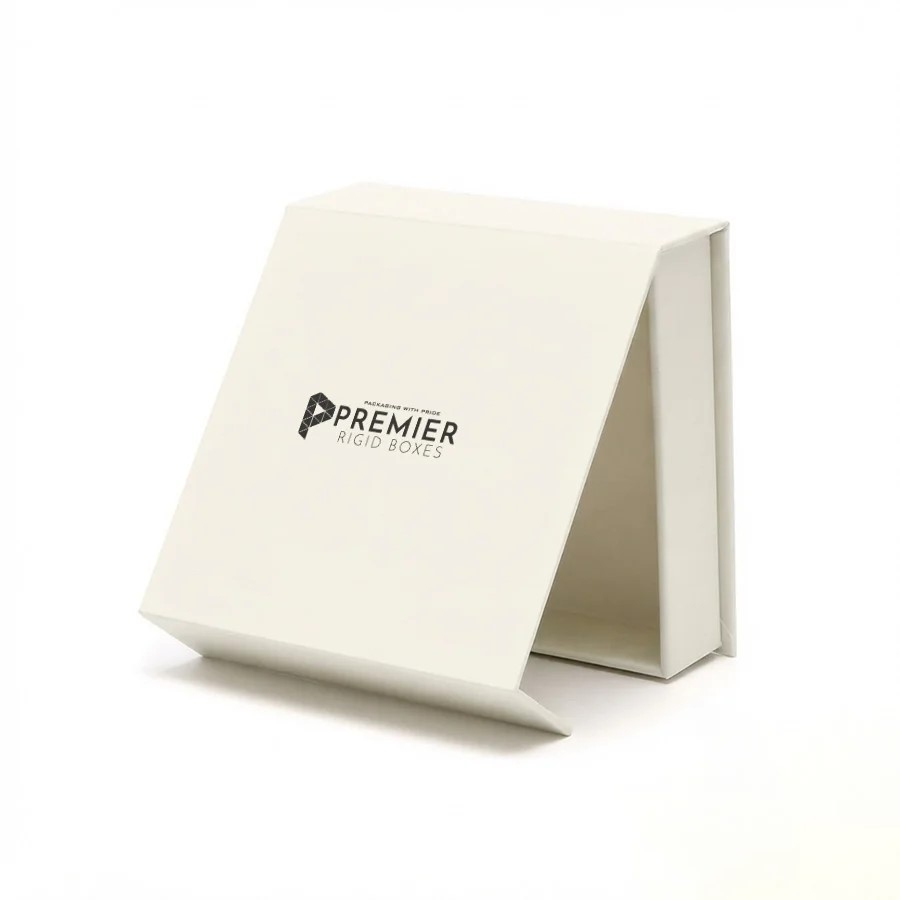
Anyone who's ever received a gift in a box that just felt cheap knows how much that moment can undercut whatever's actually inside. The reverse is true: a box that feels solid, opens smoothly, and looks like someone actually thought about it can make even a modest item feel like more. That's basically the whole job of a presentation box. It's not there to just hold something. It's there to set up how the thing inside gets received before anyone's even seen it.
The tricky part is that the presentation box covers a huge range of styles and materials, and they're not remotely interchangeable. What works for a jewelry brand doesn't work for electronics. What feels right for a corporate gift set falls flat for a bakery. Getting this right means actually understanding the differences, not just picking whatever looks nice in a catalog.
Rigid Boxes Versus Folding Cartons
This is probably the first real fork in the road. Rigid boxes are built from thick paperboard, usually wrapped in a decorative paper or fabric layer, and they hold their shape permanently, no folding flat, no collapsing for storage. They feel substantial in the hand, which is exactly why high-end brands lean on them so heavily. Jewelry, watches, and premium cosmetics, a lot of that ends up in rigid boxes because the weight and sturdiness communicate quality before the lid even comes off.
Folding cartons are the opposite approach. They ship flat, assemble into shape, and cost significantly less to produce and transport. That doesn't mean cheap, necessarily; a well-designed folding carton with good print quality can still look sharp. But there's a ceiling on how premium it can feel compared to something rigid. Brands usually choose folding cartons when volume and cost matter more than the top-tier tactile experience, which encompasses much of retail packaging that still needs to look good without feeling like a luxury item.
Magnetic Closure Boxes
These have become almost a shorthand for "this is a nice box" at this point. A lid that snaps shut with a soft magnetic pull feels satisfying in a way that's hard to explain but easy to notice. It also solves a practical problem: no loose lid that pops off in transit, no flimsy closure that wears out after a few opens.
The tradeoff is cost and complexity. Magnetic closures need precise construction to actually align and hold properly, so they're not the cheapest option on the table. But for brands trying to create a genuine unboxing moment, the extra cost usually pays for itself in how the product gets perceived, and often in how much people end up sharing that unboxing online.
Sleeve and Tray Boxes
This style splits into two pieces: an outer sleeve that slides off, revealing an inner tray holding the product. It's a step below full rigid boxes in terms of luxury feel, but it still creates a bit of ceremony that a basic flip-top box doesn't offer. There's a small reveal built into the design that matters more than people expect for how a product is experienced.
Sleeve and tray setups often appear in gift sets, cosmetics, and tech accessories, partly because they're efficient to produce and partly because the two-piece structure naturally organizes multiple items without extra inserts. It's a practical middle ground between something as elaborate as a rigid magnetic box and something as basic as a plain carton.
Material Choices Change Everything
Kraft paper has become almost its own category at this point that natural, slightly textured look signals eco-conscious or artisanal without anyone needing to say it outright. It's popular for food products, handmade goods, and anything trying to communicate a more grounded, less mass-produced feel.
Glossy, laminated finishes go the other direction entirely. Bright colors, reflective surfaces, and a slicker overall feel that reads as modern and polished. Tech products and cosmetics lean on this a lot, since the shine tends to photograph well and stand out on a shelf.
Matte finishes have quietly become the go-to for a lot of premium branding lately. There's something about a matte surface that reads as more expensive than a glossy one, even when the underlying material cost isn't that different. It also tends to hide fingerprints and minor scuffs better, which matters more than people think for a box that will be handled before it ever reaches its final destination.
Fabric-wrapped boxes sit at the top end of the spectrum. Linen, velvet, or silk-textured wraps over a rigid base are mostly used for jewelry, luxury gifts, or anything positioned as a special-occasion purchase. They cost more to produce, obviously, but they're doing a job that cheaper materials just can't replicate that specific tactile signal of "this is not an everyday purchase."
Custom Sizing and Structure Matter More Than People Realize
A box that's just slightly too big for what's inside creates a strange, hollow feeling when it's opened, as the product got lost in there. One that's too tight feels cramped and can actually damage delicate items. This is where Custom Presentation Boxes earn their cost over generic, off-the-shelf sizing. A box built around the product's actual dimensions creates a snugger, more intentional feel and usually protects the item better during shipping, too.
Custom structure goes beyond just size, though. Built-in dividers, foam inserts shaped to the product, ribbon pulls that make lifting an item out easier, these details add production cost, but they're often what separates a box that feels engineered for the product from one that just happens to hold it.
Picking the Right Combination
There's no single correct answer here; it depends entirely on what's being packaged and who it's going to. A luxury watch brand has completely different needs than a subscription box company shipping thousands of units a month. Cost, volume, the product's fragility, and how much of an experience the brand is actually trying to create all factor into which style and material combination makes sense.
What remains consistent across it all is that the box is never really just a box. It's the first physical thing someone touches, the setup for whatever's inside, and often the difference between a product that feels like an experience and one that just feels like a transaction.

 English
 Arabic
 French
 Spanish
 Portuguese
 Deutsch
 Turkish
 Italiano
 Russian
 Romaian
 Portuguese (Brazil)
 Greek
Greek
