
What Makes a Commercial Landscape Architect Stand Out in Today’s Competitive Market
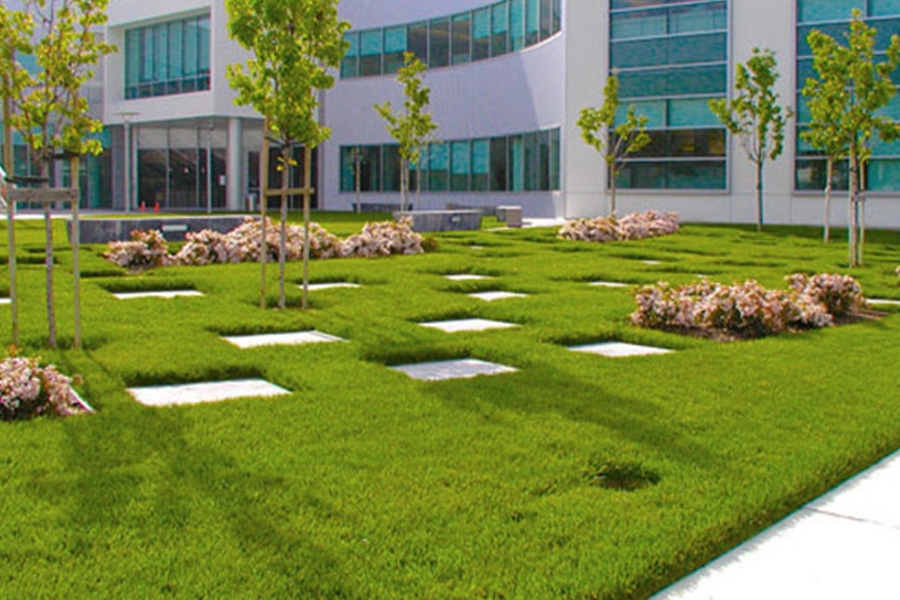
The commercial real estate and development sector has evolved significantly over the past decade. Property owners, facility managers, and corporate developers now understand that exterior spaces are not merely decorative afterthoughts. They are strategic assets that influence tenant retention, customer perception, brand identity, and long-term operational efficiency. Whether the project involves a corporate campus, retail complex, hospitality venue, healthcare facility, or mixed-use development, the design and management of outdoor environments require a specialized level of expertise. A commercial landscape architect operates at the intersection of civil engineering, environmental science, horticulture, and urban planning. This professional is responsible for translating a client’s business objectives into functional, sustainable, and visually compelling exterior spaces. The demand for these specialists has surged as municipalities tighten zoning codes, sustainability certifications become standard, and businesses recognize the measurable return on investment that high-quality landscaping provides.
When evaluating potential partners for a development project, it is critical to understand that not all landscape professionals possess the same capabilities. Residential landscaping focuses primarily on aesthetics and small-scale plantings. Commercial work, however, involves complex drainage systems, ADA compliance, traffic flow analysis, utility coordination, large-scale irrigation, and long-term maintenance planning. A commercial landscape architect must balance these technical requirements with creative vision. The best professionals in this field stand out because they combine regulatory knowledge, environmental stewardship, and business acumen into a single cohesive service. This article explores the defining characteristics, essential services, industry standards, and future trends that separate exceptional commercial landscape architects from average contractors.
Understanding a Commercial Landscape Architect and Its Importance
A commercial landscape architect is fundamentally different from a landscape designer or a general landscaping contractor. While a designer may focus on plant selection and aesthetic layout, and a contractor executes installation, the architect approaches the project from a systems-level perspective. This professional holds licensure, which typically requires a degree from an accredited landscape architecture program, several years of supervised experience, and successful completion of the Landscape Architect Registration Examination. This rigorous credentialing process ensures that the individual understands soil mechanics, hydrology, grading, construction documentation, and local building codes. In commercial settings, these technical competencies are non-negotiable. A poorly graded parking lot island can cause water to pool against building foundations. Inadequate pedestrian circulation can create safety hazards and liability exposure. Improper plant selection can lead to high replacement costs and diminished curb appeal within a few short years. The commercial landscape architect anticipates these challenges during the design phase, saving clients significant money and operational headaches over the life of the property.
The importance of this role extends beyond risk mitigation. Commercial properties operate in highly competitive markets where first impressions directly affect revenue. A retail center with shaded walkways, inviting entry plazas, and well-maintained green spaces encourages longer visits and repeat traffic. Corporate campuses with outdoor meeting areas, walking trails, and native plantings improve employee satisfaction and retention. Healthcare facilities that incorporate healing gardens and quiet outdoor spaces support patient recovery and family comfort. A commercial landscape architect understands how to program these spaces for specific user groups and business goals. They conduct site analysis, study pedestrian and vehicular patterns, evaluate microclimates, and develop master plans that align with the client’s operational model. This strategic approach transforms landscaping from a maintenance expense into a revenue-supporting asset. The increasing emphasis on ESG reporting and sustainability certifications has also elevated the architect’s role as a consultant who can guide clients toward LEED, SITES, or WELL building standards through thoughtful landscape design.
Importance of Professional Commercial Landscape Services
Professional commercial landscape services deliver value that far exceeds basic lawn care or seasonal planting rotations. When a business hires a licensed commercial landscape architect , they gain access to a comprehensive planning process that addresses immediate needs while preparing for future growth. One of the most significant advantages is master planning. Instead of addressing landscaping in a piecemeal fashion, the architect develops a phased strategy that accounts for budget cycles, tenant turnover, property expansion, and changing environmental conditions. This long-term perspective prevents costly rework and ensures that each phase of installation builds logically upon previous work. For example, an architect might design a campus entry sequence that can be implemented in three phases over five years, with each phase delivering functional improvements while building toward a cohesive final vision. This approach is particularly valuable for property developers who manage multiple assets and require consistent quality across their portfolio.
Another critical benefit is risk management. Commercial properties are subject to numerous regulations, including stormwater management requirements, tree preservation ordinances, accessibility standards, and fire code clearances. Failure to comply with these regulations can result in fines, project delays, or legal liability. A professional landscape architect understands these requirements and integrates them into the design from the beginning. They coordinate with civil engineers, architects, and local planning departments to ensure that all landscape elements meet code. This coordination is especially important for projects involving new construction or major renovations. The architect reviews utility plans, identifies easements, and adjusts planting locations to avoid conflicts with underground infrastructure. This level of diligence prevents expensive change orders during construction and ensures that the project passes inspections on schedule. For business owners, the peace of mind that comes from knowing a qualified professional is managing regulatory compliance is invaluable.
Core Services and Specialized Features of Commercial Landscape Architecture
The scope of services offered by a commercial landscape architect extends well beyond planting design. Site analysis is typically the first deliverable, involving a detailed assessment of topography, soil conditions, drainage patterns, existing vegetation, solar exposure, wind patterns, and adjacent land uses. This analysis informs every subsequent design decision and helps identify constraints and opportunities that may not be immediately apparent. Following site analysis, the architect develops conceptual designs that explore different spatial arrangements, circulation patterns, and programmatic elements. These concepts are presented to stakeholders through rendered plans, 3D models, and material boards, allowing clients to visualize the proposed spaces before committing to construction documents. Once a concept is approved, the architect produces detailed construction drawings and specifications that contractors use for bidding and installation. These documents include grading plans, planting plans, irrigation layouts, hardscape details, lighting plans, and erosion control measures.
Beyond traditional design and documentation, many commercial landscape architects offer specialized services such as green infrastructure design, sustainable site development, and landscape performance monitoring. Green infrastructure includes rain gardens, bioswales, permeable pavements, and green roofs that manage stormwater on site rather than directing it to municipal systems. These features help properties meet increasingly stringent stormwater regulations while creating attractive landscape amenities. The architect may also provide construction administration services, visiting the site during installation to ensure that contractors are following the drawings and specifications. This oversight catches errors early and protects the client’s investment. After construction is complete, some professionals offer landscape management consulting, helping property owners develop maintenance protocols, seasonal enhancement programs, and long-term asset management plans. This full-service approach ensures that the landscape remains functional and attractive for decades, not just for the first season after installation.
Choosing the Right Commercial Landscape Architect for Your Project
Selecting the right requires careful evaluation of credentials, portfolio, communication style, and project compatibility. Start by verifying licensure in the state where the project is located. Licensure confirms that the professional has met minimum education, experience, and examination requirements. Membership in professional organizations such as the American Society of Landscape Architects is another positive indicator, as it demonstrates a commitment to continuing education and ethical practice. Next, review the architect’s portfolio for projects of similar scale, type, and complexity. A professional who primarily designs residential gardens may not have the technical knowledge required for a large corporate campus or industrial facility. Look for examples that demonstrate expertise in commercial settings, including retail centers, office parks, healthcare facilities, educational institutions, or hospitality venues. Pay attention to how the architect addresses common commercial challenges such as parking lot screening, pedestrian safety, drainage management, and maintenance efficiency.
The selection process should also include direct conversations with the architect and references from past clients. During interviews, ask about their approach to budget management, timeline adherence, and communication protocols. A strong commercial landscape architect will ask detailed questions about your business operations, maintenance capabilities, and long-term goals before proposing any design solutions. They should be able to explain technical concepts in accessible language and provide realistic cost estimates that include both installation and ongoing maintenance expenses. Request references from clients with similar project types and contact those references to ask about their experience with the architect’s responsiveness, problem-solving ability, and attention to detail. The right professional will view the relationship as a long-term partnership rather than a one-time transaction. They will be invested in the success of your property and will proactively identify opportunities for improvement as the landscape matures and market conditions evolve.
Quality, Safety, and Industry Standards in Commercial Landscaping
Quality in commercial landscaping is measured by durability, functionality, and long-term performance, not just initial appearance. A professional adheres to industry standards established by organizations such as the American Society of Landscape Architects, the American National Standards Institute, and the International Code Council. These standards cover everything from planting specifications and soil preparation to hardscape construction tolerances and irrigation system design. For example, the architect specifies plant species that are appropriate for the local climate zone and the specific microclimates within the project site. They require soil testing and amendments to ensure that plants have the nutrients and drainage necessary for healthy establishment. They design hardscape elements with proper base materials, joint spacing, and structural reinforcement to withstand heavy foot traffic, vehicular loads, and freeze-thaw cycles. These details may be invisible to the casual observer, but they directly impact the lifespan and maintenance requirements of the finished landscape.
Safety is equally critical in commercial landscape design. The architect must consider pedestrian circulation, vehicle sight lines, lighting levels, and emergency access when laying out pathways, plantings, and site furnishings. Low-growing plantings near intersections maintain clear visibility for drivers. Adequate lighting along walkways and in parking areas deters crime and reduces trip-and-fall risks. Tree placement avoids interference with overhead utilities and underground pipes. The architect also specifies slip-resistant paving materials for areas exposed to water or ice. These safety considerations protect both the public and the property owner from potential liability. By following established industry standards and building codes, the commercial landscape architect ensures that the finished project is safe, durable, and compliant. This professional rigor distinguishes licensed architects from unlicensed contractors who may cut corners on materials, drainage, or structural integrity to reduce costs.
Benefits of Hiring a Professional Commercial Landscape Architect
The benefits of hiring a professional extend across financial, operational, and environmental dimensions. Financially, a well-designed landscape increases property value and marketability. Commercial real estate appraisers recognize the contribution of quality landscaping to overall property valuation. A property with mature trees, functional outdoor spaces, and attractive entry features commands higher rents and attracts higher-quality tenants. The architect’s master planning approach also reduces long-term maintenance costs by selecting appropriate plants, designing efficient irrigation systems, and specifying durable materials. Properties with professionally designed landscapes typically experience lower water usage, fewer plant replacement needs, and reduced hardscape repairs compared to properties with ad hoc landscaping. These operational savings accumulate significantly over a ten- or twenty-year holding period.
Environmentally, the commercial landscape architect contributes to sustainability goals and regulatory compliance. Through green infrastructure, native plant selection, and water-efficient irrigation, the architect reduces the property’s environmental footprint while creating habitats for pollinators and wildlife. Many municipalities now require new commercial developments to meet specific stormwater retention and landscape standards. The architect navigates these requirements and incorporates them seamlessly into the overall design. For businesses pursuing sustainability certifications such as LEED or SITES, the landscape architect’s expertise is essential for achieving credits related to water efficiency, sustainable site development, and human health. These certifications enhance corporate reputation and can provide tax incentives or expedited permitting in some jurisdictions. The professional architect’s ability to deliver measurable environmental performance while maintaining aesthetic quality makes them an indispensable partner for forward-thinking commercial property owners.
Future Trends and Industry Development in Commercial Landscape Architecture
The commercial landscape architecture profession is evolving rapidly in response to climate change, technological innovation, and shifting workplace dynamics. Climate resilience has become a central concern for commercial property owners in coastal areas, arid regions, and flood-prone zones. The of the future will increasingly focus on designing landscapes that withstand extreme weather events, rising temperatures, and water scarcity. This includes specifying drought-tolerant plant palettes, designing floodable plazas that absorb storm surge, and creating shaded microclimates that reduce urban heat island effects. Green infrastructure will continue to grow in importance as municipalities update stormwater codes and incentivize on-site water management. Architects who can integrate rain gardens, green roofs, and permeable paving into attractive, functional designs will be in high demand.
Technology is also transforming the profession. Building information modeling, geographic information systems, and drone-based site analysis allow architects to gather more accurate data and collaborate more effectively with other design professionals. Virtual reality and augmented reality tools enable clients to experience proposed landscapes before construction begins, improving communication and reducing costly design changes. Smart irrigation systems, soil moisture sensors, and remote monitoring platforms provide real-time data on landscape performance, allowing property managers to optimize water use and identify maintenance issues before they become expensive problems. The post-pandemic emphasis on outdoor workspaces and employee wellness has created new opportunities for landscape architects to design outdoor meeting areas, dining terraces, and restorative garden spaces that support hybrid work models. Professionals who stay current with these trends and invest in continuing education will remain competitive in an increasingly sophisticated market.
Conclusion
Choosing the right professional for a commercial project is one of the most consequential decisions a property owner or developer will make. The exterior environment shapes first impressions, influences tenant satisfaction, affects operational costs, and contributes to environmental performance. A commercial landscape architect brings the technical expertise, regulatory knowledge, and strategic vision needed to deliver landscapes that perform on every level. From master planning and construction documentation to green infrastructure and long-term management consulting, this professional’s value extends far beyond planting shrubs and laying sod. The best architects combine rigorous technical training with creative problem-solving and a deep understanding of business objectives. They anticipate challenges, coordinate with other professionals, and protect their clients from costly mistakes. As commercial properties face increasing pressure to be sustainable, resilient, and people-focused, the role of the landscape architect will only grow in importance. Investing in qualified professional services today is not an expense but a strategic decision that pays dividends for decades to come.

 English
 Arabic
 French
 Spanish
 Portuguese
 Deutsch
 Turkish
 Dutch
Dutch
 Italiano
 Russian
 Romaian
 Greek
Greek
