
How Do Orthodontic Braces Straighten Your Teeth?
The Process Behind a Straighter Smile
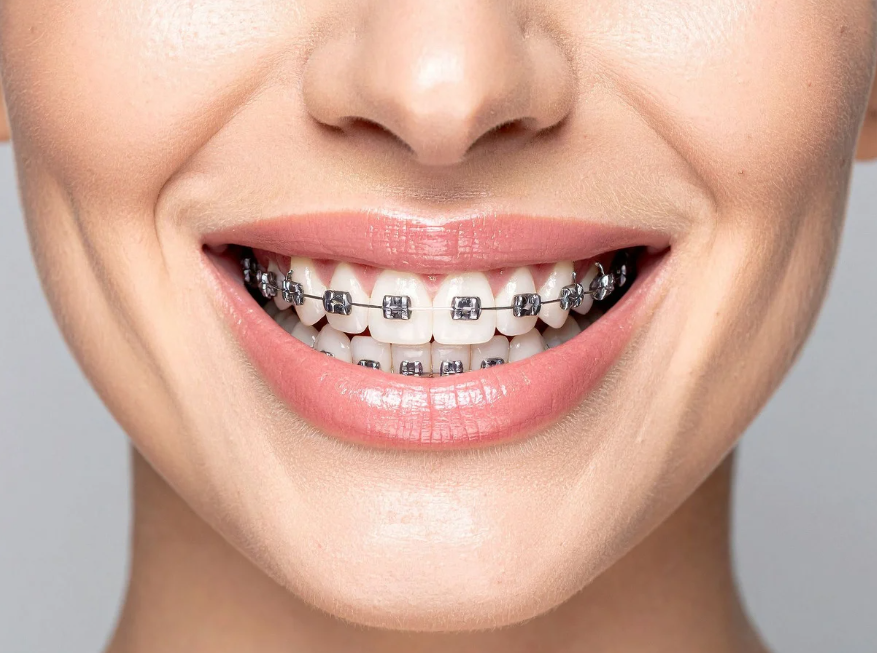
Orthodontic braces work by applying gentle, consistent pressure to teeth over time. This pressure encourages the teeth to move gradually through the jawbone into healthier and more aligned positions. The process is carefully planned by an orthodontic professional, who considers the position of each tooth, the shape of the jaw and the way the upper and lower teeth meet.
For people considering st clair orthodontic treatment, understanding how braces create these changes can make the treatment process easier to follow. Although the brackets and wires may look simple, they work together as a carefully controlled system that guides individual teeth towards their planned positions.
How Braces Apply Controlled Pressure
Brackets Guide Each Tooth
Small brackets are attached to the front surface of the teeth using a dental bonding material. Each bracket has a specific position and shape designed to help guide the tooth. An orthodontic archwire is then placed through the brackets.
The wire provides the main force needed to encourage movement. As the treatment progresses, orthodontists can adjust or replace the wire to gradually change the direction and amount of pressure placed on different teeth.
Wires Create Gentle Movement
The archwire naturally tries to return to its original shape. When it is secured to brackets attached to teeth, this creates a controlled force. The teeth respond gradually rather than moving suddenly.
Because tooth movement takes time, braces usually remain in place for several months or longer. Treatment duration varies depending on the complexity of the alignment, the patient's age and the response of the teeth to treatment.
What Happens Inside the Jaw?
The Bone Adapts Around Moving Teeth
Teeth are not permanently fixed into solid bone. They are held in their sockets by supporting tissues, including the periodontal ligament. When orthodontic pressure is applied, the tissues surrounding a tooth respond to that pressure.
Bone on one side of the tooth can gradually be broken down, while new bone forms on the opposite side. This process allows the tooth to move slowly through the jawbone.
Why Gradual Movement Matters
Moving teeth too quickly could place unnecessary stress on the supporting tissues. Orthodontic treatment therefore relies on controlled, gradual movement. Regular appointments allow the orthodontist to monitor progress and make adjustments when required.
This biological response is one of the main reasons braces cannot straighten teeth overnight. The visible changes happen progressively as the teeth and surrounding tissues adapt.
How Braces Correct Different Alignment Problems
Crowded Teeth
Crowding occurs when there is insufficient space for teeth to sit correctly. Braces can gradually guide crowded teeth into better positions. In some cases, additional orthodontic techniques may be recommended to create enough space for proper alignment.
Gaps Between Teeth
Braces can also help reduce unwanted spaces between teeth. By applying carefully directed pressure, teeth can be moved closer together while maintaining a healthy relationship with the surrounding tissues.
Overbite and Underbite
Orthodontic treatment can address bite problems as well as tooth positioning. An overbite occurs when the upper front teeth extend too far over the lower teeth, while an underbite occurs when the lower teeth sit in front of the upper teeth.
Depending on the individual case, braces may be combined with other orthodontic appliances to improve the relationship between the upper and lower jaws.
What Happens During Orthodontic Appointments?
Adjustments Keep Treatment Moving
Regular orthodontic appointments are important because teeth need different forces at different stages of treatment. During an appointment, the orthodontist may replace the archwire, change elastic components or make other adjustments.
These changes help continue the planned movement while allowing the orthodontist to check whether the teeth are responding appropriately.
Monitoring Oral Health
Keeping teeth and gums healthy during orthodontic treatment is equally important. Brackets and wires can create additional areas where food particles and plaque may collect.
Brushing carefully around brackets and using appropriate interdental cleaning methods can help maintain oral hygiene throughout treatment. Routine dental examinations are also valuable for monitoring general oral health.
How Long Does It Take for Braces to Work?
Treatment time differs considerably from person to person. Minor tooth movement may require less time, while significant crowding, bite problems or complex alignment concerns can require longer treatment.
Following the orthodontist's instructions can help treatment progress as planned. This may include attending scheduled appointments, wearing prescribed elastics and avoiding foods that could damage brackets or wires.
Once the active phase of treatment is complete, retainers are generally used to help maintain the new tooth positions. Teeth can naturally shift over time, so retention is an important part of maintaining orthodontic results.
Signs That Braces Are Working
Some changes may become noticeable within the first few months, although the exact pattern differs for every patient. Teeth may begin to look more evenly positioned, spaces can gradually reduce and crowded areas may become less pronounced.
It is also normal to experience mild tenderness after adjustments. This usually occurs because the teeth and surrounding tissues are responding to the newly applied pressure. However, persistent or significant discomfort should be discussed with the orthodontic professional.
For patients seeking professional guidance about braces, an assessment at a st clair dental clinic can help determine whether orthodontic treatment is suitable and what approach may best address individual alignment concerns.
Frequently Asked Questions
Do braces move every tooth at the same time?
Not necessarily. Different teeth may require different amounts and directions of movement. Orthodontic adjustments are designed to coordinate tooth movement throughout treatment.
Are braces painful?
Braces generally do not cause severe pain, although mild pressure or tenderness can occur after placement or adjustments. This usually settles as the mouth adapts.
Can adults have orthodontic braces?
Yes. Adults can receive orthodontic treatment when their teeth and supporting tissues are suitable for movement. An orthodontic assessment can determine the most appropriate treatment option.
Do teeth stay straight after braces are removed?
Teeth can naturally move after treatment. Retainers are commonly recommended to help maintain their corrected positions and protect the results achieved during orthodontic treatment.
 Turkish
 English
 Arabic
 French
 Spanish
 Portuguese
 Deutsch
 Dutch
Dutch
 Italiano
 Russian
 Romaian
 Portuguese (Brazil)
 Greek
Greek
