
Composite Cladding vs Vinyl: Choosing the Right Exterior for Your Home
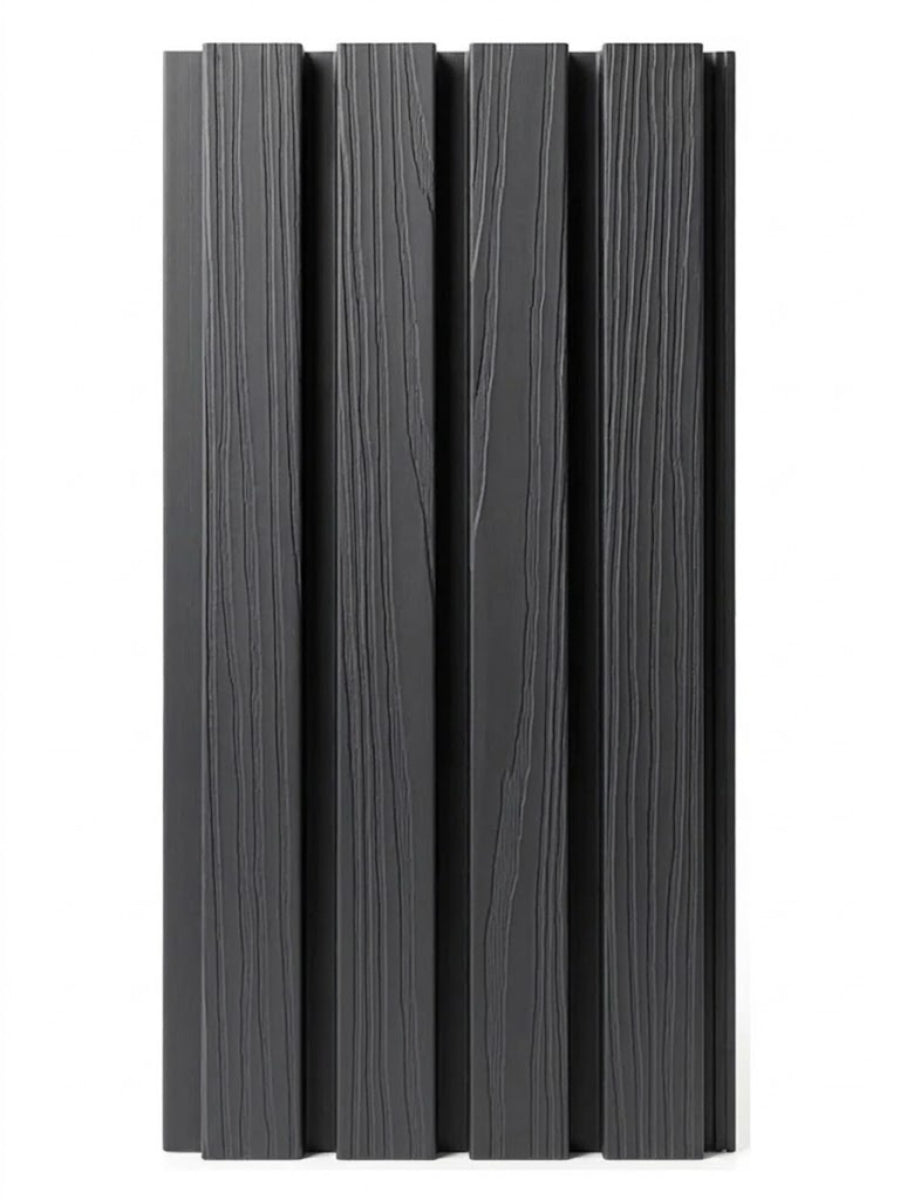
Selecting the ideal exterior material for a home renovation or new build requires balancing long-term durability, maintenance needs, aesthetic appeal, and overall cost. When evaluating performance and value, comparing composite cladding vs vinyl provides clear insight into how modern exterior options stack up against traditional standards. Both materials offer distinct advantages depending on your budget, climate conditions, and design preferences.
Aesthetic Appeal and Architectural Versatility
Homeowners often prioritize visual impact when assessing composite cladding vs vinyl for their exterior siding. Composite cladding delivers a rich, textured finish that closely mirrors natural wood, providing deep grain patterns and a warm, high-end appearance that enhances curb appeal. Vinyl siding offers a broad spectrum of pre-finished colors and styles, ranging from traditional lap siding to board-and-batten designs. While vinyl provides clean lines and diverse color choices, composite cladding provides a more robust, substantial profile that elevates sophisticated architectural designs.
Durability and Resistance to Climate Factors
Understanding the performance of composite cladding vs vinyl in extreme weather conditions is crucial for long-term satisfaction. Composite cladding is engineered from a blend of recycled wood fibers and dense synthetic polymers, making it highly resistant to physical impact, cracking, and moisture absorption. Vinyl siding performs well against general weather conditions, but intense thermal changes can cause it to expand, contract, or become brittle over time in severe cold. The extra density of composite materials ensures greater dimensional stability and impact resistance against hail or heavy winds.
Maintenance Requirements and Long-Term Value
A primary factor in comparing composite cladding vs vinyl is the time and money required for upkeep over the lifecycle of the material. Both options eliminate the need for frequent painting or staining associated with natural timber siding. Vinyl requires simple periodic cleaning with water and mild detergent to remove surface dirt, though damaged panels can be challenging to repair without leaving visible seams. Composite cladding similarly requires minimal cleaning while offering superior protection against UV fading, ensuring that the original color and finish remain intact for decades with virtually no structural degradation.
Cost Comparison and Financial Investment
Analyzing the initial costs and return on investment highlights significant differences in composite cladding vs vinyl pricing structures. Vinyl siding remains one of the most cost-effective exterior materials available on the market, offering low upfront material and installation expenses that suit budget-conscious projects. Composite cladding involves a higher initial capital investment due to its advanced material composition and heavier structure, which may require specialized installation. However, the extended lifespan, premium look, and higher potential return on home resale value often make composite cladding a more profitable investment over time.

 English
 Arabic
 Spanish
 Portuguese
 Deutsch
 Turkish
 Dutch
Dutch
 Italiano
 Russian
 Romaian
 Portuguese (Brazil)
 Greek
Greek
