
What Happens If Keloids Are Left Untreated?
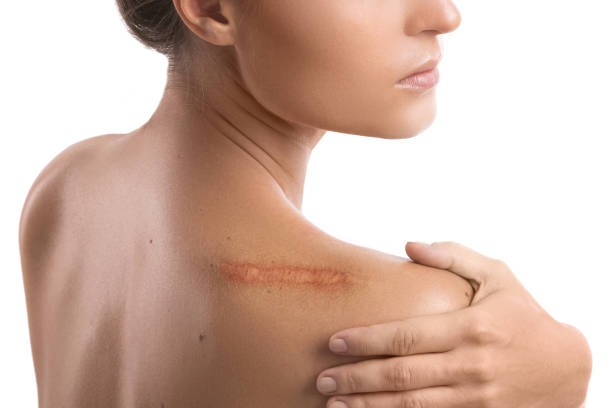
Keloids are raised, firm scars that develop when the body produces too much collagen during the healing process. Although they are generally harmless, leaving them untreated may allow them to become larger, thicker, or more noticeable over time. Understanding what can happen when keloids are ignored can help people decide when professional evaluation may be appropriate. keloid removal can provide personalized options for managing the appearance and symptoms of persistent keloid scars.
A keloid may initially appear as a small raised area around an injury, surgical incision, burn, or piercing. However, unlike typical scars, it can continue growing beyond the original wound. Without appropriate management, some keloids may gradually become more prominent and may cause physical discomfort or emotional concerns. Seeking an assessment early can help determine whether Keloid Treatment in Riyadh is appropriate for the individual's scar characteristics.
Can Keloids Continue Growing Without Treatment?
Gradual Enlargement
One of the most noticeable effects of leaving a keloid untreated is continued growth. Keloids can expand beyond the boundaries of the original injury and may become thicker or wider over time. The rate of growth varies from person to person, and some keloids may remain relatively stable while others become increasingly prominent.
Changes in Texture
As a keloid develops, the scar may become firmer, harder, or more raised. Some people notice that the texture becomes more obvious when touching the affected area. These changes can make the scar more noticeable, particularly on exposed parts of the body.
Can Untreated Keloids Cause Symptoms?
Itching and Irritation
Keloids can sometimes cause persistent itching or irritation. These symptoms may become particularly bothersome when clothing repeatedly rubs against the scar. Scratching the area may further irritate the skin and should generally be avoided.
Tenderness or Discomfort
Some larger keloids can feel tender or painful, especially when pressure is applied. Keloids located around joints or areas that experience frequent movement may be particularly inconvenient.
Tightness
A larger scar may create a sensation of tightness in the surrounding skin. Depending on its location and size, this may make certain movements uncomfortable.
How Can Untreated Keloids Affect Appearance?
Keloids can become increasingly visible when they continue to grow. Their raised surface, firmness, and differences in color from surrounding skin may draw attention to the affected area. This can be particularly concerning when the scar develops on the face, neck, chest, shoulders, or other visible areas.
For some individuals, noticeable scarring may affect confidence or make them uncomfortable wearing certain clothing. The emotional impact can be an important reason to seek professional advice, even when the keloid does not cause physical symptoms.
Can Keloids Become More Difficult to Manage?
Size and Thickness Matter
A smaller keloid may be easier to address than one that has continued growing for a long period. Larger or thicker scars may require a more carefully planned approach, sometimes involving a combination of treatments rather than a single method.
Previous Scar Behavior
A history of keloid formation can also be important when planning treatment. Because keloids have a tendency to recur, healthcare professionals may consider the individual's previous scars, location, size, and response to earlier treatment.
Why Early Evaluation Can Be Helpful
Early assessment does not necessarily mean that every keloid requires immediate treatment. Instead, professional evaluation can help determine whether the scar is stable, growing, symptomatic, or likely to benefit from intervention.
During an assessment, factors such as scar size, thickness, location, symptoms, skin characteristics, and previous treatments may be considered. This information can help guide an individualized management plan. Keloid Treatment in Riyadh may involve approaches designed to reduce scar thickness, improve appearance, control symptoms, or lower the likelihood of further growth.
What Treatment Options May Be Considered?
Depending on the individual case, treatment may include corticosteroid injections, silicone-based therapies, laser treatment, cryotherapy, pressure therapy, or surgical removal. In some situations, combining different approaches may provide better management than relying on one treatment alone.
The most appropriate option depends on the characteristics of the keloid and the individual's medical history. A qualified professional can explain the potential benefits, limitations, and recurrence considerations associated with each approach.
What Happens After Keloid Treatment?
Managing a keloid does not always end when the visible scar becomes flatter or less noticeable. Follow-up care can be important because keloids may return after treatment. Depending on the selected approach, patients may receive recommendations for scar care, monitoring, silicone products, pressure therapy, or additional treatments.
Following aftercare instructions and attending recommended follow-up appointments can help monitor changes and address signs of recurrence as early as possible.
When Should You Consider Professional Evaluation?
Consider seeking professional advice if a scar continues growing, becomes increasingly raised, causes itching or discomfort, or starts affecting your confidence. Early evaluation can also be useful when a scar develops after surgery, piercing, burns, acne, or another skin injury and does not appear to be healing normally.
Rather than waiting until a keloid becomes significantly larger, an assessment can help clarify what type of scar is present and which management options may be suitable.
Book an Appointment
If you are concerned about a growing, raised, or uncomfortable scar, Keloid Treatment in Riyadh at Royal Clinic Saudia can be discussed during a personalized consultation. A professional assessment can help identify the characteristics of the keloid and determine an appropriate treatment approach based on your individual needs.
FAQs:
Can keloids disappear on their own?
Keloids usually do not disappear completely on their own and may remain stable or continue growing.
Are untreated keloids dangerous?
Keloids are generally benign and are not usually dangerous, but they can cause itching, tenderness, discomfort, or cosmetic concerns.
Can a small keloid become larger?
Yes. Some keloids can gradually expand beyond the original wound and become thicker or more noticeable.
Is early keloid treatment better?
Early evaluation can help identify changes in the scar and allow suitable management options to be considered before the keloid becomes more extensive.

 English
 Arabic
 French
 Spanish
 Portuguese
 Turkish
 Dutch
Dutch
 Italiano
 Russian
 Romaian
 Portuguese (Brazil)
 Greek
Greek
