
Which Devices Can Be Connected to Home Automation?
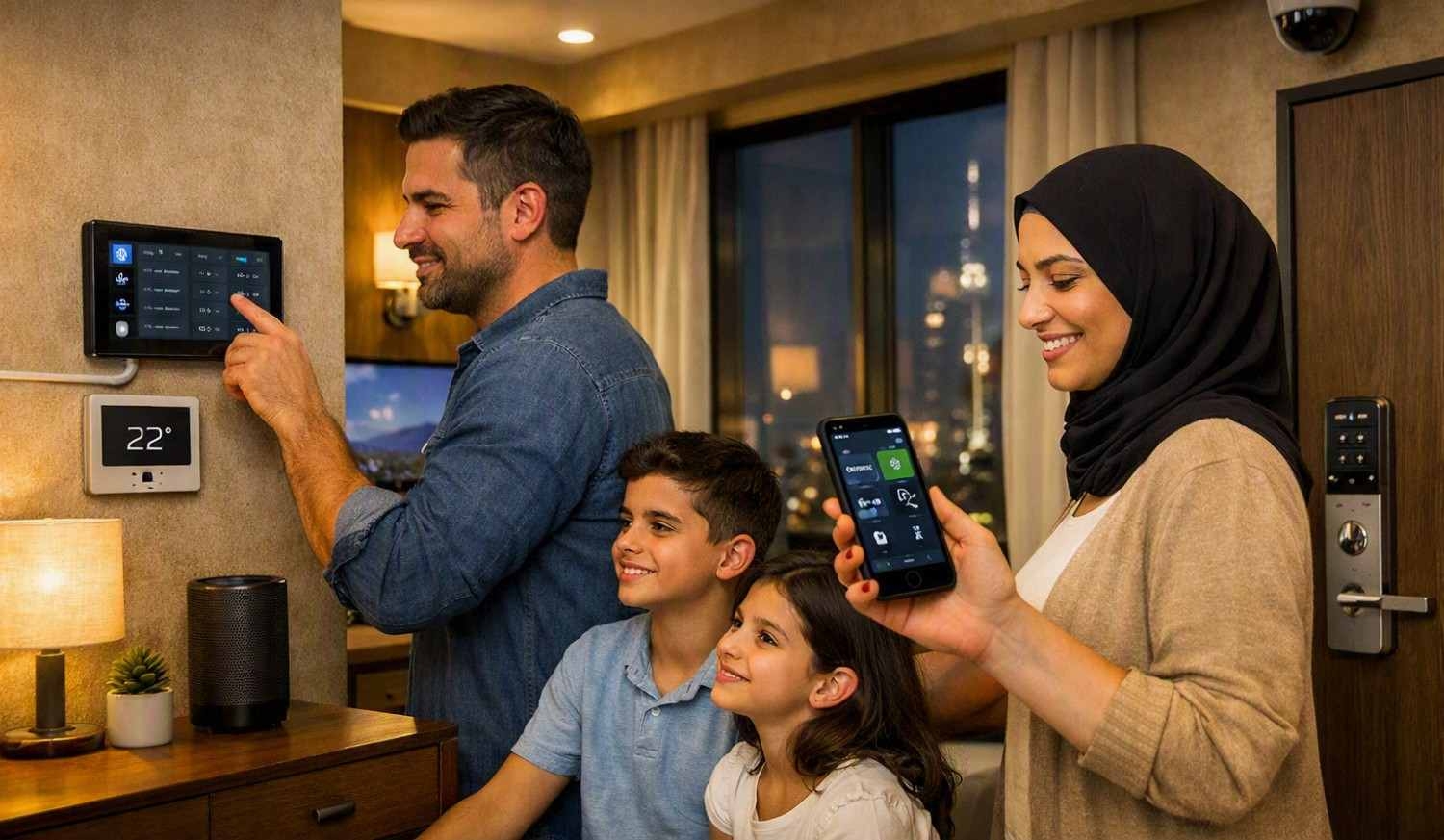
Home automation allows different devices in a house to work together and be controlled more easily. These devices can help with lighting, temperature, security, entertainment, and daily routines. A home automation setup can be small, with only a few connected devices, or it can include many systems across the house. Understanding which devices can connect is useful before choosing what to add.
Smart Lighting
Smart lights are among the most common devices used in an automated home. They can often be controlled through a mobile phone, remote, voice command, or wall switch. Users can turn lights on or off, change brightness, and sometimes adjust the color.
Motion sensors can also work with smart lights. For example, a light can turn on when someone enters a room and switch off when the room is empty. Timers can also be used to control outdoor or indoor lighting at set times.
Smart Thermostats and Air Conditioning
Heating and cooling systems can also be connected to an automation system. Smart thermostats allow people to adjust indoor temperatures from a phone or another control device.
In homes with compatible air conditioning systems, automation can help manage cooling based on room temperature, schedules, or occupancy. This can make temperature control more convenient without requiring manual changes throughout the day.
Smart Security Cameras
Security cameras are another common part of connected homes. Smart cameras can provide live video through a phone, tablet, or computer. Some models can send alerts when movement is detected.
Cameras may be placed near entrances, driveways, hallways, or other areas that need monitoring. Depending on the system, users may also store recorded video for later viewing.
Smart Door Locks
Smart locks can replace or work alongside traditional locks. They may support different entry methods, such as a PIN code, mobile app, fingerprint, or digital key.
A connected lock can also be linked with other devices. For example, when a person unlocks the main door, selected lights may turn on automatically. Some systems can also send an alert when the door is locked or unlocked.
Motion and Door Sensors
Sensors help an automated home respond to what is happening inside the house. Motion sensors can detect movement, while door and window sensors can show whether something is open or closed.
These small devices can be useful for lighting, security, and simple routines. For instance, a hallway light can switch on when movement is detected at night. A window sensor may also send a notification when a window is opened.
Smart Plugs and Appliances
Smart plugs make some regular electrical devices easier to control. A lamp, fan, coffee maker, or other suitable appliance can be connected through a smart plug.
Some home appliances also come with built-in smart features. Refrigerators, washing machines, ovens, and robot vacuum cleaners may connect to a home network and provide remote controls or alerts.
Home Entertainment Devices
Televisions, speakers, streaming devices, and media players can also be part of an automated home. These devices can often be controlled from one application or through voice commands.
A simple routine could lower the lights, close the curtains, and start a television or music system at the same time. This reduces the need to operate each device separately.
Motorized Curtains and Blinds
Motorized blinds and curtains can be connected to an automation system and controlled on a schedule. They can open in the morning and close in the evening without manual effort.
Some systems can also respond to sunlight or room conditions. This can make window coverings part of a wider lighting and comfort routine.
Smart Smoke and Water Sensors
Safety sensors can also be connected to a home automation setup. Smart smoke detectors may send phone alerts when smoke is detected, even when nobody is at home.
Water leak sensors can be placed near washing machines, sinks, water heaters, or other areas where leaks may occur. Early alerts can help people notice a problem sooner.
How These Devices Work Together
The main benefit of connecting different devices is that they can communicate and follow shared instructions. A central hub, controller, or compatible smart home platform may help manage these devices.
For example, an evening routine could close motorized curtains, reduce the lights, adjust the air conditioning, and lock selected doors. These actions can happen together instead of being controlled one by one.
Not every device works with every automation platform. Compatibility, internet connection, communication standards, and power requirements should be checked before adding new products.
Choosing Devices for Your Home
It is usually easier to begin with the areas that matter most. Someone may start with lighting and security, while another person may focus on air conditioning and entertainment.
The number of connected devices does not always determine how useful a system is. A few well-matched devices can work better than many products that cannot communicate properly. Planning the system around daily needs can make Home automation easier to understand, manage, and expand over time.

 English
 Arabic
 French
 Spanish
 Portuguese
 Turkish
 Dutch
Dutch
 Italiano
 Russian
 Romaian
 Portuguese (Brazil)
 Greek
Greek
