
What Is a PV Solar Panel?
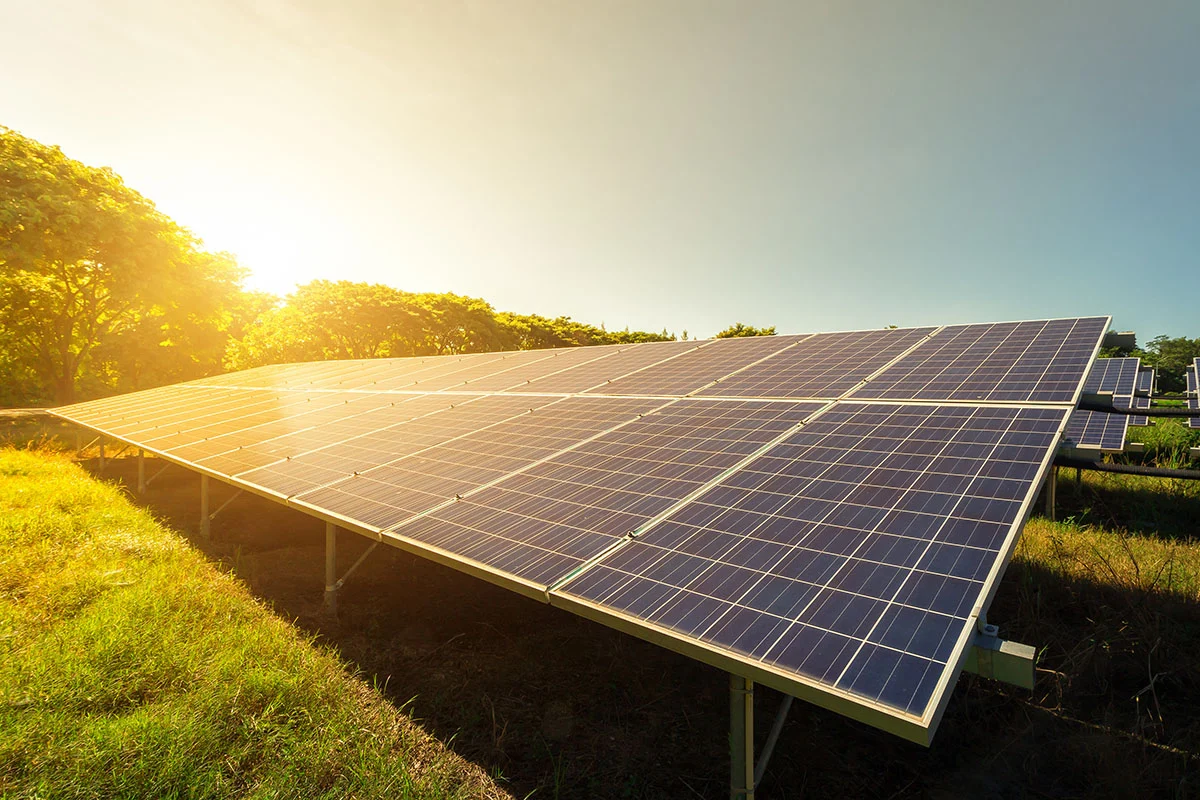
A PV solar panel is a device that converts sunlight into electricity using photovoltaic technology. These panels allow homes and businesses to generate their own power by capturing energy from the sun and turning it into usable electricity.
Many people recognise solar panels on rooftops, but fewer understand how they actually work, what components are involved, and whether they are suitable for their property. Understanding the basics can help homeowners make better decisions before investing in renewable energy.
How does a PV solar panel work?
A PV solar panel uses photovoltaic cells to create electricity from sunlight. When sunlight reaches these cells, it creates an electrical reaction that produces direct current (DC) electricity.
Because most homes use alternating current (AC) electricity, an inverter converts the DC power into a form that household appliances can use.
The electricity generated can then:
- Power lights and appliances inside the property.
- Reduce dependence on electricity from the grid.
- Store extra energy in batteries for later use.
- Export unused electricity back to the grid through suitable schemes.
The amount of electricity produced depends on several factors, including sunlight exposure, panel efficiency, roof direction, shading, and system size.
What are the main parts of a solar PV system?
A solar installation includes more than just the panels fixed to your roof. Several components work together to create a complete energy system.
Solar panels
The panels capture sunlight and generate electricity. Modern panels are designed to work efficiently even when weather conditions are not perfect.
Inverter
The inverter changes the electricity produced by the panels into a usable form for your home. It also helps monitor system performance.
Mounting system
This secures the panels to your roof or ground structure. The mounting design depends on the type of property and installation location.
Battery storage (optional)
Some homeowners choose battery storage to save excess electricity produced during the day. This stored energy can be used when solar generation is lower, such as during evenings.
Each part has an important role, so choosing reliable equipment and proper installation matters as much as selecting the panels themselves.
Why are homeowners choosing solar PV systems?
Energy costs have encouraged many households to look for ways to control their electricity usage. A solar PV system gives homeowners an opportunity to produce their own renewable power instead of relying entirely on traditional energy sources.
Some common benefits include:
Reduced electricity bills
Generating electricity from sunlight can reduce the amount of power purchased from energy suppliers. The savings depend on system size, electricity usage, and local conditions.
Greater energy independence
Solar panels allow homeowners to rely less on external energy sources. This can be especially useful as energy prices continue to change.
Lower environmental impact
Solar power generates electricity without burning fossil fuels during operation. This helps reduce household carbon emissions.
Increased property appeal
Energy-efficient homes can become more attractive to buyers who value lower running costs and modern improvements.
Are PV solar panels suitable for every home?
Solar panels can work for many properties, but suitability depends on several factors.
A good solar installation usually requires:
- A roof with enough available space.
- Limited shading from trees or nearby buildings.
- A suitable roof condition.
- Good exposure to sunlight.
South-facing roofs often receive strong sunlight exposure in the UK, but east and west-facing roofs can also perform well with the right system design.
A professional assessment helps determine whether your property can achieve good results before installation begins.
How much electricity can a PV solar panel generate?
The electricity produced by solar panels varies from one property to another. A larger system will generally generate more power, but the actual output depends on conditions throughout the year.
Factors that influence performance include:
- The number of panels installed.
- Panel quality and efficiency.
- Roof angle and orientation.
- Weather conditions.
- Household energy consumption.
Solar systems typically generate the most electricity during longer daylight hours, but modern panels can still produce energy during cloudy periods.
What should you consider before installing solar panels?
Buying solar panels is a long-term investment, so homeowners should look beyond the initial price.
Before installation, consider:
Your electricity usage
Understanding when and how you use electricity helps determine the right system size. A household that uses more energy during daylight hours may benefit differently from one that consumes most power in the evening.
Roof condition
Installing panels on an ageing roof may create additional costs later. It is usually better to repair major roof issues before adding a solar system.
Future energy needs
Consider whether your electricity usage may increase due to electric vehicles, home extensions, or new appliances.
Planning ahead can help you choose a system that continues to meet your needs.
Why professional installation matters
Solar panels need correct positioning, secure mounting, and proper electrical connections to operate safely and efficiently.
A qualified installer will assess your property, recommend suitable equipment, and complete the work according to required safety standards. Choosing a professional solar panel installation service ensures the system is designed around your home's specific conditions rather than using a one-size-fits-all approach.
Poor installation can affect performance, safety, and the expected lifespan of your investment.
Understanding the solar installation process
Many homeowners are unsure about what happens after deciding to install solar panels. The solar panel installation process usually begins with a property assessment, followed by system design, equipment selection, installation, testing, and final connection.
A good installer will explain each stage clearly and help you understand how to monitor your system after completion.
Final thoughts
A PV solar panel provides a practical way for homeowners to generate renewable electricity and reduce their reliance on traditional energy sources. While solar technology is becoming more accessible, the best results come from choosing a system that matches your property, energy habits, and long-term goals.
Before making a decision, evaluate your roof, electricity needs, and installation options carefully. A well-designed solar PV system can provide reliable energy generation for many years while helping create a more efficient home.

 English
 Arabic
 French
 Spanish
 Portuguese
 Turkish
 Dutch
Dutch
 Italiano
 Russian
 Romaian
 Portuguese (Brazil)
 Greek
Greek
