
Rehabilitation Centre in Bangalore for Addiction Recovery
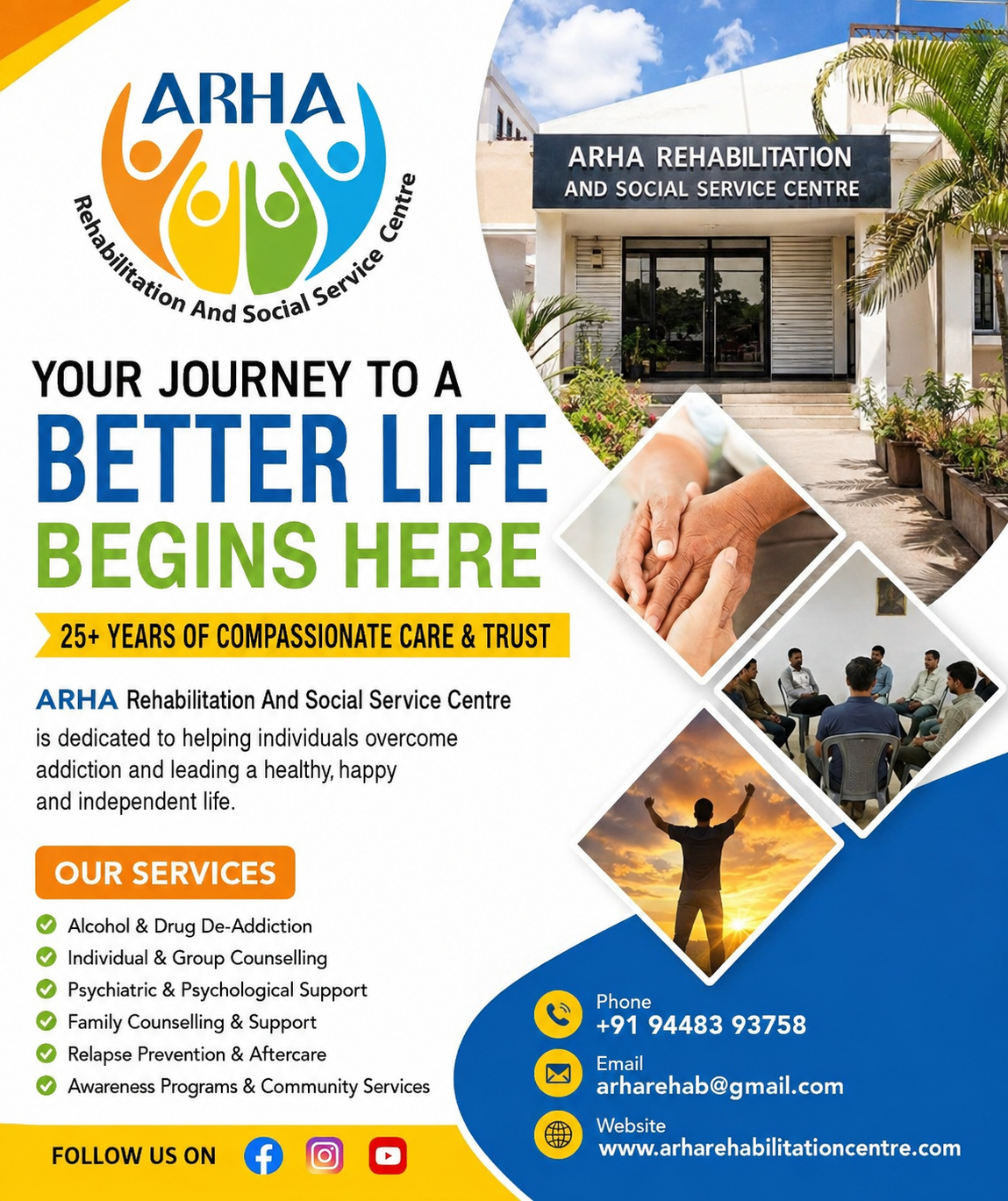
Rehabilitation Centre in Bangalore for a Safer Path to Recovery
Addiction can affect a person's physical health, emotional well-being, family relationships, work and overall quality of life. With timely professional support, structured care and a supportive environment, people struggling with addiction can work toward a healthier and more independent life.
A Rehabilitation Centre in Bangalore can provide a structured setting where individuals receive guidance according to their recovery needs. Treatment may include counseling, medical supervision, psychological support, behavioral guidance, lifestyle changes and aftercare planning.
Why Professional Rehabilitation Support Matters
Trying to overcome addiction without appropriate support can be difficult, particularly when a person has developed a strong physical or psychological dependence. A rehabilitation program can provide a safe and organized environment away from triggers and unhealthy routines.
Professional rehabilitation may help individuals:
- Understand the causes and effects of addiction
- Develop healthier daily routines
- Receive counseling and emotional support
- Address behavioral and psychological concerns
- Learn strategies for managing cravings and triggers
- Rebuild confidence and family relationships
- Prepare for long-term recovery after treatment
Every person's recovery journey is different. The right approach should consider the individual's substance use, physical condition, mental well-being, family circumstances and treatment requirements.
Comprehensive Care for Addiction Recovery
A quality rehabilitation program generally works through several stages. Depending on the person's needs, treatment may begin with assessment and, where medically necessary, supervised detoxification. This can be followed by counseling, psychological support, behavioral interventions and structured daily activities.
Treatment can be relevant for people experiencing problems related to:
- Alcohol dependency
- Drug dependency
- Gambling-related problems
- Behavioral disorders
- Repeated relapse
- Emotional and social difficulties associated with addiction
Medical and mental-health concerns should be assessed by appropriately qualified professionals. Detoxification can also carry medical risks for some substances, so attempting withdrawal without professional advice may not be appropriate.
A Service-Focused Approach to Rehabilitation
ARHA Rehabilitation and Social Service Centre has been providing rehabilitation-related services for around 25 years, with a focus on patient safety, dignity and recovery support.
The centre was founded by Shanthi Shanmugam, who was inspired by her family's experience with alcohol addiction and the challenges involved in finding effective support. Her husband, W. Shanmugam, experienced long-term alcohol addiction and later maintained sobriety after receiving rehabilitation support.
Following his recovery, he became involved in awareness activities, counseling support and services for people affected by alcohol and drug addiction. He has also participated in awareness programs in schools, colleges, software companies, small-scale industries and other workplaces, along with free detoxification awareness and service camps.
The centre's approach emphasizes the belief that timely treatment, professional guidance and consistent support can help people move toward a healthier lifestyle.
Experienced Team and Individualized Support
Recovery often requires more than simply stopping substance use. A multidisciplinary team can help address different aspects of a person's recovery.
Depending on individual requirements, rehabilitation care may involve doctors, psychiatrists, psychologists, nurses, qualified counselors and trained support staff.
Counseling can help individuals understand addiction patterns, identify triggers and develop practical coping strategies. Family involvement may also be useful because addiction can affect everyone in the household.
Long-term recovery may include continued counseling, support groups, healthy routines, relapse-prevention strategies and regular follow-up.
Choosing a Rehabilitation Centre in Bangalore
Families often have many questions before selecting a rehabilitation facility. Important factors to consider include:
Qualified professional support: Ask whether medical and mental-health professionals are involved in the treatment process.
Personalized care: Treatment should consider the person's specific circumstances instead of relying on the same approach for everyone.
Safety and supervision: The facility should have appropriate procedures for emergencies and medical concerns.
Counseling and behavioral support: Recovery should address emotional and behavioral factors alongside substance use.
Aftercare planning: Continued support after residential treatment can be important for maintaining progress.
Transparent communication: Families should receive clear information about treatment, expectations, costs, rules and follow-up support.
Recovery Is a Long-Term Process
Completing a rehabilitation program is an important milestone, but recovery can continue long after residential treatment ends. Returning to previous environments, stress, social pressure and exposure to triggers may increase the risk of relapse.
A practical aftercare plan can include regular counseling, support-group participation, healthy sleep and exercise routines, meaningful activities, family support and professional follow-up.
Relapse should not automatically be viewed as failure. It can indicate that the treatment plan needs to be reassessed and additional support may be required.
Frequently Asked Questions
1. What does a rehabilitation centre provide?
A rehabilitation centre can provide structured recovery support that may include assessment, counseling, medical supervision, psychological care, behavioral support and aftercare planning.
2. How long does rehabilitation treatment take?
Treatment duration varies according to the person's condition, substance use history, health, recovery progress and professional recommendations. There is no single duration suitable for everyone.
3. Can families participate in the recovery process?
Yes. Family involvement can be helpful when it is appropriate and welcomed by the person receiving treatment. Family counseling and education can improve understanding and provide better support during recovery.
4. Is detoxification the same as rehabilitation?
No. Detoxification primarily focuses on managing withdrawal and helping the body clear a substance. Rehabilitation is broader and may include counseling, behavioral support, psychological care, lifestyle changes and relapse-prevention planning.
5. What should I check before selecting a rehabilitation centre?
Check the qualifications of the professionals, treatment approach, safety arrangements, counseling services, accommodation standards, emergency procedures, family communication and aftercare support.
If you are looking for a Rehabilitation Centre in Bangalore and want to discuss treatment or support options, you can learn more at https://arharehabilitationcentre.com/ or contact the centre at arharehab@gmail.com / +91 94483 93758.
You can also connect through social media for updates and awareness resources: Facebook: https://www.facebook.com/p/ARHA-Recovery-Home-100067949353360/ | Instagram: https://www.instagram.com/arharehab/ | YouTube: https://www.youtube.com/@arharehabilitationandsocialser
Recovery begins with the right support at the right time. Professional guidance, family encouragement and continued care can help individuals take meaningful steps toward a healthier and more independent future.
 English
 Arabic
 French
 Spanish
 Portuguese
 Deutsch
 Turkish
 Dutch
Dutch
 Italiano
 Russian
 Romaian
 Portuguese (Brazil)
 Greek
Greek
