
How to Flush and Maintain a Radiator Philippines the Right Way
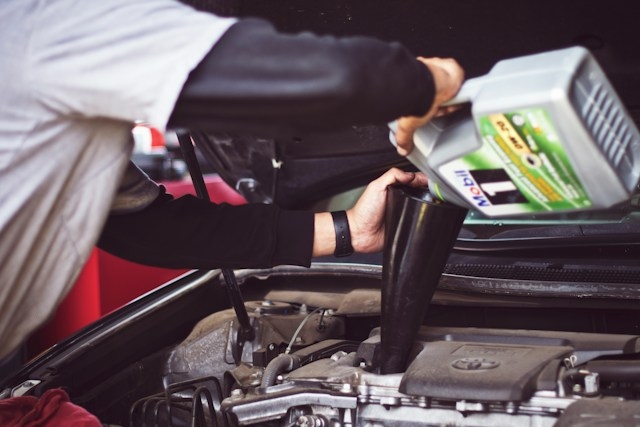
A vehicle cooling system needs clean coolant and unrestricted flow to manage engine heat effectively. Over time, coolant breaks down and contaminants such as rust, scale, and sediment may accumulate inside the system. Regular maintenance helps preserve radiator performance and lets drivers identify leaks or damaged components early. For anyone maintaining a Radiator Philippines system, using the correct flushing procedure and suitable coolant helps support dependable cooling performance. Follow the vehicle manufacturer's specifications and safety requirements.
Why Radiator Flushing Matters
Coolant does more than carry heat away from the engine. It also contains additives that help protect metal components against corrosion and deposits. As coolant ages, these protective properties gradually decline.
Removing Contaminants From the System
Old coolant may contain rust particles, sediment, and degraded additives. These contaminants can circulate through the radiator, hoses, thermostat, and engine passages. Accumulation may restrict coolant flow and reduce the efficiency of heat transfer.
Flushing removes old coolant and helps clear loose contaminants from the cooling system. The effectiveness of the process depends on the system's condition and the flushing method used. Severe deposits might require additional inspection or professional cleaning.
Protecting Cooling Components
A clean cooling system supports the condition of the radiator, water pump, thermostat, and related components. Corrosion inside passages may damage metal surfaces or contribute to leaks over time. Proper coolant maintenance helps reduce these risks.
The coolant specification also matters. Different vehicles require different coolant formulations, and mixing incompatible products may reduce corrosion protection. Always check the vehicle manufacturer's recommendations before adding or replacing coolant.
Preparing for a Radiator Flush
Preparation helps make the flushing process safer and more organized. The engine should be fully cool before opening the cooling system or removing the radiator cap.
Gather the Required Materials
Basic supplies often include the correct replacement coolant, distilled or deionized water when specified, a drain container, gloves, and basic hand tools. Some vehicles also require a specialized coolant filling or bleeding tool. The owner's manual should be checked before beginning.
The drain container should hold more liquid than the cooling system's total capacity. Spilled coolant should be cleaned immediately because it is hazardous to people and animals. Used coolant should also be collected and disposed of according to local requirements rather than poured onto the ground.
Inspect the Cooling System First
Before flushing, inspect the radiator, hoses, clamps, reservoir, and visible connections. Look for cracks, swelling, corrosion, stains, or signs of coolant leakage. A flush will not repair a damaged component.
The radiator cap should also be checked for deterioration if the vehicle design permits inspection. A faulty cap may affect system pressure and coolant control. Identifying these issues before refilling helps prevent unnecessary repeat work.
Performing the Flush Safely
The exact procedure varies by vehicle, so the manufacturer's service instructions should take priority. Some vehicles have dedicated drain plugs, while others require different methods for draining the system.
Drain the Old Coolant
With the engine completely cool, position the drain container beneath the appropriate drain point. Open the system according to the vehicle's service procedure and allow the old coolant to drain completely. Avoid opening a hot cooling system because pressurized coolant may cause severe burns.
Once drained, inspect the fluid for unusual discoloration, excessive particles, oil contamination, or other signs of a potential problem. These observations may indicate corrosion or a separate mechanical issue. Close the drain point securely before continuing.
Rinse the Cooling System
Some vehicles permit a water rinse after the old coolant has been drained. Use the type of water specified by the manufacturer, especially when the final coolant mixture requires deionized or distilled water. Continue according to the vehicle's recommended procedure rather than repeatedly flushing without a defined purpose.
If a chemical flushing product is used, verify that it is compatible with the cooling system and follow its instructions carefully. Incorrect products or excessive use might damage seals or other components. Professional service is appropriate when heavy contamination or internal blockage is suspected.
Refilling the Cooling System
Refilling requires more attention than simply pouring coolant into the radiator. Air trapped inside the system may interfere with circulation and create localized overheating.
Use the Correct Coolant
Coolant specifications vary by manufacturer and vehicle model. The correct product should meet the required formulation, performance standard, and concentration. Do not assume that all coolant products are interchangeable based on color alone.
Premixed coolant should be used according to its label, while concentrated coolant often requires mixing with the specified type of water. The recommended ratio should be followed carefully. An incorrect mixture may reduce freeze protection, boiling protection, or corrosion control.
Remove Trapped Air
Some cooling systems include dedicated bleed screws or require a specific bleeding sequence. These procedures allow trapped air to escape while the system is refilled. Follow the manufacturer's instructions rather than relying on a universal method.
After bleeding, check the coolant level again and inspect for leaks. The level may change as remaining air leaves the system. The reservoir should be filled to the manufacturer's specified level rather than simply filling it to the top.
Checking the System After Service
A flush should be followed by a thorough inspection. The goal is to confirm that coolant circulates properly and that no leaks or abnormal temperature behavior appear.
Monitor Temperature
Start the engine and allow it to reach normal operating temperature according to the service procedure. Watch the temperature gauge and look for warning lights or unusual fluctuations. Any sign of overheating requires the vehicle to be shut down and inspected.
The cooling fan, thermostat, and other components should operate according to the vehicle's design. Unusual noises, steam, or rapid coolant loss should not be ignored. These symptoms might indicate a problem beyond routine coolant maintenance.
Recheck Coolant Levels
After the vehicle has cooled completely, inspect the coolant level again. Small level changes may occur after trapped air is released. If the level continues to fall, check the system for leaks.
Inspect the area around hoses, clamps, the radiator, water pump, and reservoir. Dried coolant residue may provide a clue to a slow leak. Addressing the source early helps prevent repeated coolant loss and overheating.
Maintaining Radiator Performance
Flushing is only one part of cooling system maintenance. Regular inspections and proper coolant replacement intervals help preserve performance between flushes.
Follow the Replacement Interval
Coolant replacement intervals differ by vehicle, coolant type, and operating conditions. The manufacturer's maintenance schedule should serve as the primary reference. Older or heavily used vehicles might require closer monitoring.
Keep a record of when the coolant was replaced and which product was installed. This prevents uncertainty during future maintenance. Accurate records also help technicians determine whether the current coolant matches the vehicle specification.
Keep the Radiator Exterior Clean
Dust, dirt, leaves, and other debris can restrict airflow through the radiator fins. A blocked external surface reduces the amount of air available to remove heat from the coolant. Periodic inspection helps identify buildup before it affects cooling performance.
Cleaning should be performed carefully to avoid bending delicate fins. High-pressure water applied too closely might damage the radiator's fin structure. Use a method appropriate for the vehicle and radiator design.
Key Takeaway
Proper radiator maintenance involves more than draining and replacing coolant. The system should be inspected for leaks and contamination, flushed according to the vehicle manufacturer's procedure, refilled with the correct coolant, and checked for trapped air. Regular monitoring also helps identify changes in temperature or coolant levels before they become serious problems. For a Radiator Philippines system, following the correct service interval and using compatible coolant supports reliable heat transfer and longer component life. Safe handling and proper disposal of used coolant should remain part of every maintenance procedure.

 English
 Arabic
 French
 Spanish
 Portuguese
 Deutsch
 Turkish
 Dutch
Dutch
 Italiano
 Russian
 Romaian
 Portuguese (Brazil)
