
Custom Printed Candle Boxes UK
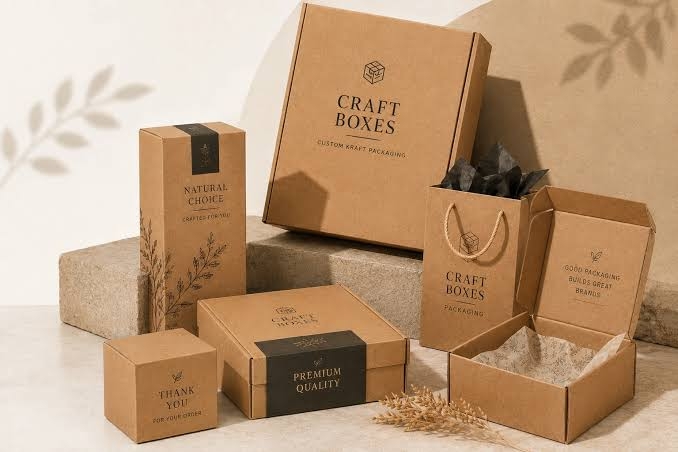
Moving from generic packaging to custom printed candle boxes is a genuine milestone for an independent candle maker, it's usually the point where a hobby producing candles for friends and local markets starts looking, and being taken, like an actual brand.
But it's also a step with real cost implications and a few sourcing decisions that are worth getting right the first time.
Why Custom Printing Matters More Than People Expect
Generic stock boxes with a printed sticker can look perfectly professional, but fully custom printed packaging communicates something different: that the branding was designed for this specific product rather than adapted onto whatever was available.
For candle makers selling through markets, independent shops, or a growing e-commerce presence, this distinction genuinely affects how customers perceive the brand's scale and seriousness, even when the actual candles inside are identical either way.
Understanding Minimum Order Quantities
The single biggest practical barrier for independent makers moving to custom printing is minimum order quantity.
Most UK packaging suppliers set minimums based on the fixed costs of setting up a print run, plates, colour calibration, production line setup, which are similar regardless of whether 100 or 5,000 units are printed.
This means the per-unit cost drops sharply as order size increases, but it also means committing to a minimum that can feel like a significant financial step for a smaller operation.
A reasonable approach for makers just starting with custom printing is to choose a simpler design, one or two colours rather than full-colour photographic printing, since simpler print jobs often carry lower minimums and lower per-unit costs, letting a maker test custom packaging without the largest possible financial commitment.
Digital Printing vs Traditional Litho for Smaller Runs
Digital printing has become a genuinely useful option for independent makers specifically because it doesn't require the same setup costs as traditional litho printing, making smaller custom runs financially realistic in a way they weren't a decade ago.
The trade-off is generally a slightly higher per-unit cost at larger volumes compared with litho, and sometimes a narrower range of finishing options like certain foiling techniques.
For makers ordering a few hundred to a couple of thousand units, digital printing is often the more sensible starting point before scaling into litho at higher volumes.
Choosing a UK Supplier
Sourcing candle boxes uk-based, rather than internationally, generally means shorter lead times, easier communication for design revisions, and fewer complications with import duties or customs delays, all genuinely relevant for a smaller maker who can't easily absorb a delayed shipment ahead of a market or seasonal selling period.
It's worth requesting physical samples before committing to a full order regardless of supplier location, since screen colours and printed colours don't always match exactly, and this is one of the more common sources of disappointment with a first custom order.
What to Include in a Design Brief
A clear design brief for a supplier should specify the exact candle vessel dimensions (not estimated), the material and finish preference (kraft, coated, matte, gloss), any specific brand colours with exact reference codes rather than "green" or "gold", and the required safety and information labelling that needs to be included on the box or accompanying materials.
Providing this clearly upfront reduces the number of revision rounds needed before a design is ready for production, which saves both time and, in some cases, revision fees.
Balancing Custom Packaging Cost Against Product Price
For independent makers, it's worth sense-checking that custom packaging cost stays proportionate to the candle's retail price.
As a rough starting guide, packaging costs in the region of 10–20% of the product's wholesale or production cost are generally sustainable for most candle price points, though this can flex higher for premium or gift-focused ranges where the packaging itself is doing more of the persuasive work.
Scaling Up Over Time
Many independent makers start with a simpler custom design, a single colour on kraft stock, for instance, and build toward more elaborate full-colour or foiled packaging as sales volume grows and larger order quantities become financially comfortable.
This staged approach avoids overcommitting early while still moving away from purely generic packaging from the first custom order onward.
Common First-Order Mistakes Worth Avoiding
A few mistakes come up repeatedly among independent makers placing their first custom order: approving a design based only on a digital proof without requesting a physical sample.
Underestimating how long custom production genuinely takes and ordering too close to a market or launch date, and choosing an overly complex design for a first run that pushes both cost and minimum order quantity higher than necessary for testing the concept.
Starting simpler and building complexity in later orders, once sales data confirms demand, generally produces a better outcome than committing heavily to an elaborate design before the product range has proven itself.
Building a Relationship With a Supplier Over Time
For independent makers, the value of a packaging supplier relationship tends to compound over successive orders.
A supplier who understands the brand's requirements, colour standards and typical order pattern can often flag potential issues before they become costly mistakes, and may offer more flexibility on minimum order quantities or turnaround for an established customer than a first-time buyer would typically be offered.
This is worth factoring into the decision of which supplier to commit to for a first custom order, rather than choosing purely on the lowest quoted price for a single run.
A slightly higher initial cost with a supplier genuinely invested in the relationship often pays off over several orders in ways a one-off cheapest quote doesn't, particularly when it comes to flexibility during a tight seasonal deadline.
Growing Into Larger Print Runs
As an independent candle business grows, it's worth periodically revisiting the balance between order size and unit cost rather than sticking with the same order pattern indefinitely.
What made sense as a minimum viable order in the first year of trading often leaves meaningful savings on the table once sales volume has grown enough to justify a larger, more cost-efficient print run, and checking in on this every year or two is a reasonable habit for any growing candle brand.

 English
 Arabic
 French
 Spanish
 Portuguese
 Turkish
 Dutch
Dutch
 Italiano
 Russian
 Romaian
 Portuguese (Brazil)
 Greek
Greek
