
What Systems Can Home Automation Companies Connect?
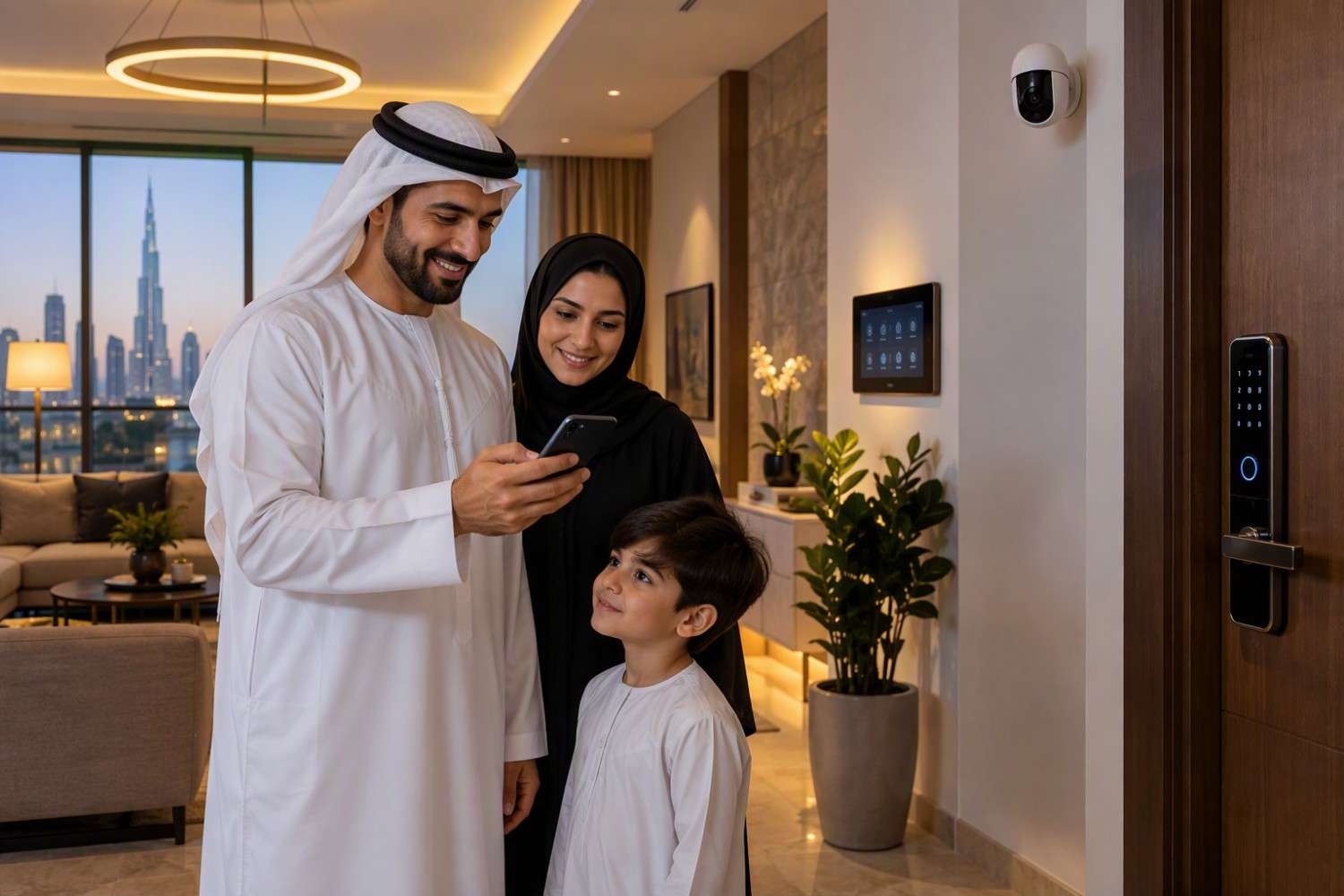
Home automation can connect many parts of a house so they can work together more easily. Home Automation Companies often connect lighting, security, climate control, entertainment, curtains, and other devices through a central system. The goal is not simply to add more smart devices. It is to make different systems communicate and work based on the needs of the people living in the home.
Lighting and Switches
Lighting is one of the most common systems connected to home automation. Smart switches, dimmers, and lights can be linked to a central control system. This allows users to control several lights from one place.
Lights can also work according to simple settings. For example, lights can turn on at a certain time or switch off when a room is not being used. Different lighting levels can also be created for activities such as watching a movie, reading, or relaxing.
Connecting lighting with other home systems can reduce the need to control every light separately.
Security and Access Control
Security systems can also be connected to home automation. These may include cameras, door sensors, motion sensors, smart locks, and video doorbells.
When these systems are connected, they can share information with the main automation system. For example, a door sensor may detect when a door is opened, while a camera can provide a view of the area.
Smart locks can also be connected with other systems in the home. Depending on the setup, access can be managed through a smartphone, keypad, or other control method. This creates a more connected approach to managing entry and security.
Heating, Cooling, and Climate Control
Air conditioning and climate control systems can be connected to home automation as well. This is useful because indoor temperature can be managed from a central interface instead of adjusting each unit separately.
Thermostats and sensors can provide information about room temperature. The automation system can then use this information to adjust cooling or heating based on selected settings.
For homes with different rooms and zones, automation can also help control temperatures separately. This can make it easier to maintain comfortable conditions without keeping every area at the same setting.
Home Entertainment Systems
Home entertainment is another area that can be connected to automation. Televisions, speakers, projectors, receivers, and media players can work together through a common control system.
For example, a user may select a movie-watching setting that turns on the display, adjusts the lights, and prepares the audio system. The exact functions depend on the equipment and the way the system is configured.
Music systems can also be connected across different rooms. This allows people to play music in one room or several areas from a single control interface.
Motorized Curtains and Blinds
Motorized curtains and blinds can be included in a home automation setup. These systems use electric motors that allow curtains or blinds to open and close automatically.
They can be controlled using switches, mobile devices, or scheduled settings. They may also work with lighting and climate systems.
For example, blinds can be adjusted during strong sunlight to reduce direct heat entering a room. At another time, they can open to allow more natural light inside. These functions can be set according to the needs of the household.
Doorbells and Intercom Systems
Smart doorbells and intercom systems can also communicate with other connected devices. A video doorbell can show who is at the entrance, while an indoor screen or mobile device can be used to communicate with the visitor.
In larger homes, intercom systems may connect different rooms or floors. This can make communication inside the house easier.
When connected with access control, the system may also allow users to manage entry after identifying a visitor.
Sensors and Smart Devices
Sensors provide useful information to an automation system. Common examples include motion sensors, temperature sensors, light sensors, and door or window sensors.
These sensors can help connected systems respond to changes around the home. A motion sensor, for example, can detect movement and trigger a light. A temperature sensor can provide information to the climate control system.
Other smart devices, such as smart plugs and appliances, can also be included when they support the required communication method.
How Different Systems Work Together
The main benefit of connecting different systems is that they can share information instead of operating as completely separate devices. A central controller or compatible platform can manage communication between supported products.
For example, a person may leave home and activate a selected setting. Depending on the system, this could switch off selected lights, adjust the air conditioning, close motorized curtains, and activate certain security functions.
The exact features depend on the devices, communication standards, wiring, and control platform used in the home. Good planning is important because not every smart product is automatically compatible with every automation system.
When comparing Home Automation Companies, it is useful to understand which systems they can connect, how those systems communicate, and whether the selected devices can work together as one setup.

 English
 Arabic
 French
 Spanish
 Portuguese
 Deutsch
 Turkish
 Dutch
Dutch
 Italiano
 Russian
 Romaian
 Portuguese (Brazil)
