
7 Factors That May Shape an Individualised Dyspraxia Treatment Plan
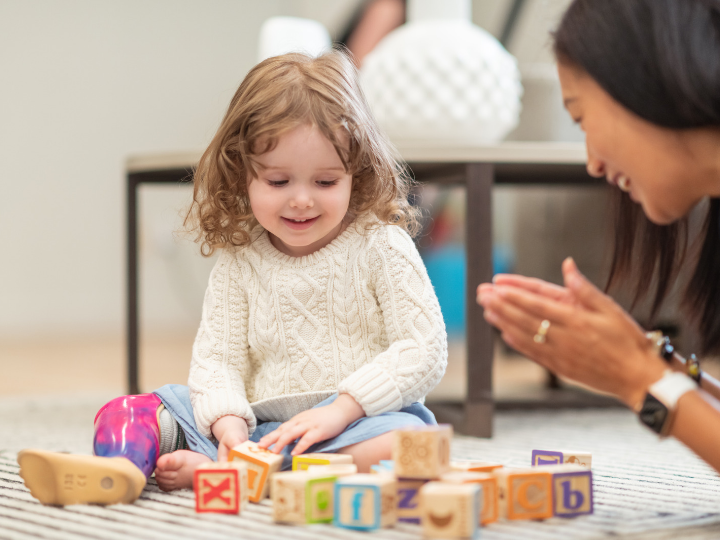
Every child has different strengths, challenges, and support needs, so a personalised approach can be important when addressing movement, coordination, and everyday functional difficulties. A carefully developed dyspraxia treatment plan considers the individual’s abilities, goals and daily routines rather than relying on a standard approach. This can help professionals create practical strategies that are relevant to the child and their family.
1. Individual Strengths and Challenges
The first factor is understanding how dyspraxia affects the individual. Some children may have difficulty with balance, coordination, motor planning, or completing everyday tasks, while others may have different areas of need. Identifying strengths alongside challenges allows professionals to build a more balanced support plan.
2. Age and Developmental Needs
A child’s age and developmental stage can influence the strategies used. Younger children may need activities that support basic movement and coordination, while school-aged children may need help with handwriting, classroom tasks, sports, or self-care activities. Goals can be adjusted as abilities develop.
3. Everyday Functional Goals
A useful plan should connect with activities that matter in daily life. For example, goals may involve getting dressed, using cutlery, organising school materials or participating in recreational activities. Dyspraxia can affect different aspects of everyday functioning, so identifying specific priorities can make support more meaningful.
4. Sensory and Motor Considerations
Sensory preferences and motor coordination can also influence how an individual responds to activities. Professionals may consider how the child processes movement, touch, sound and visual information when developing suitable strategies. Understanding these factors can help make activities more comfortable and achievable.
5. Communication Between Family and Professionals
Families can provide valuable information about how a child manages activities at home, school and in social environments. Regular communication with professionals can help identify changes, discuss progress, and adjust strategies as needed. A collaborative approach can also help ensure that recommended activities fit naturally into the child’s routine.
6. School and Environmental Requirements
The child’s environment can influence their support needs. Classroom layouts, written tasks, physical activities and time pressures may create different challenges. Professionals may recommend practical adjustments that help the child participate more comfortably and independently at school and at home.
7. Progress and Changing Needs
An individualised plan should not remain fixed. As the child develops new skills, certain goals may become less important while other priorities emerge. Regularly reviewing progress allows professionals and families to adjust activities, expectations, and strategies to the individual’s current needs.
Frequently Asked Questions
1. What is dyspraxia?
Dyspraxia is a condition associated with difficulties involving coordination, motor planning and performing certain physical tasks. Its effects can vary considerably from person to person.
2. Is every dyspraxia treatment plan the same?
No. Support is generally shaped around the individual’s abilities, challenges, developmental stage and functional goals.
3. Can dyspraxia affect school activities?
Yes. Some children may have difficulty with handwriting, organising materials, physical education, completing practical activities, or managing classroom routines.
4. Can a child’s treatment plan change over time?
Yes. Individual needs can change as skills develop, so professionals may review goals and strategies periodically.
5. How can families support a child with dyspraxia?
Families can work with relevant professionals, establish practical routines, and encourage participation in everyday activities while giving the child enough time and support to complete tasks.
 Spanish
 English
 Arabic
 French
 Portuguese
 Deutsch
 Turkish
 Dutch
Dutch
 Italiano
 Russian
 Romaian
 Portuguese (Brazil)
 Greek
Greek
