
From Paper Piles to a Clear Record: How to Organize Your Immigration File for a Green Card
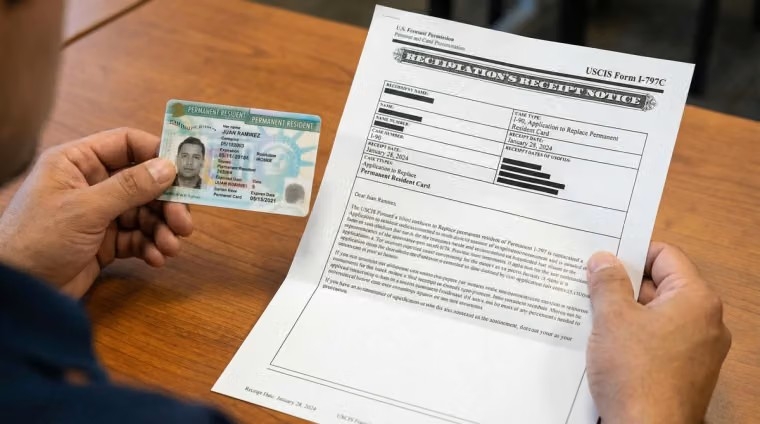
A green card application can generate an impressive amount of paperwork. Between identity documents, civil records, financial evidence, immigration notices, translations, and copies of submitted forms, even a well-prepared applicant can lose track of an important detail. The problem becomes more complicated when several family members are applying or when the process involves multiple stages.
An organized immigration file is more than a convenient collection of documents. It helps applicants verify information, respond to requests, prepare for appointments, and maintain a reliable record of their interactions with U.S. immigration authorities. Building a simple system before filing can save time and reduce avoidable mistakes throughout the process.
Create a Structure Before Collecting More Documents
The first step is to decide how the records will be stored. Some applicants prefer paper folders, others use digital storage, and many benefit from maintaining both. The best method is one that makes documents easy to find while protecting sensitive personal information.
Divide the File Into Clear Categories
Start with a main folder labeled with the applicant's name and the relevant immigration process. Within it, create separate sections for major document types.
A practical structure may include:
-
Identity and civil documents.
-
Immigration forms and prior immigration records.
-
Marriage, birth, or family relationship evidence, where applicable.
-
Financial and sponsorship documents.
-
Employment or educational records, if relevant.
-
Translations and certified copies.
-
USCIS receipts, notices, and correspondence.
-
Appointment records and evidence submitted after filing.
Not every applicant will need every category. The structure should reflect the specific immigration pathway rather than become a checklist of documents that may not apply.
Keeping these categories separate makes it easier to identify missing evidence and prevents unrelated paperwork from being mixed together.
Use Consistent File Names
Digital files should have descriptive names instead of vague labels such as “scan001” or “document-final-new.” A useful naming convention might include the document type, person's name or initials, and date.
For example, a file could be named marriage-certificate-2024-06.pdf or uscis-receipt-i485-2026-03.pdf.
Use dates consistently and avoid placing unnecessary sensitive information in file names. If a document is replaced with a corrected version, label the new copy clearly and retain the previous version only when it is useful for the record.
Maintain a Master Document Checklist
A checklist provides a quick overview of what has been collected, what remains outstanding, and what has already been submitted.
Track the Status of Every Important Record
Create a spreadsheet with columns for the document name, relevant applicant, source, date requested, date received, translation status, and submission status.
Useful status labels include “needed,” “requested,” “received,” “translated,” “reviewed,” and “submitted.” Add a notes field for issues such as a missing page, an expired document, or a spelling discrepancy.
This is particularly helpful when a green card application requires documents from different organizations or countries. A record requested from a foreign civil registry, for example, may take considerably longer to obtain than a bank statement.
The checklist should distinguish between documents that are merely stored in the file and those that have actually been included in the application.
Verify Documents Against Official Instructions
Do not assume that a general online checklist covers every requirement. Review the current form instructions and guidance relevant to the applicant's immigration category.
Some documents may be required only under particular circumstances. Others may need to be issued in a specific form or accompanied by an English translation. A certified copy, an ordinary photocopy, and an unofficial scan are not necessarily interchangeable.
If a document is unavailable, record the steps taken to obtain it and investigate the permitted alternatives rather than silently leaving the item off the checklist.
Preserve Exactly What You Submit
One of the most useful habits is keeping a complete copy of every application package. After filing, applicants may need to verify a date, check a form response, or determine which version of a supporting document was provided.
Save Final Forms and Supporting Evidence Together
Before submitting an application, save a copy of the completed forms and all supporting materials in a dedicated folder labeled “Submitted.” Include the date of filing and the relevant receipt information once it becomes available.
For paper submissions, retain a copy of the package and proof of delivery. For electronic filings, download available copies and confirmations rather than relying solely on continued access to an online account.
Avoid editing the only copy of a submitted document. If a correction or later update becomes necessary, create a separate version and record why it was prepared.
A green card lawyer may request the exact submitted package when reviewing a case or advising on a later issue. Having it readily available makes that review much easier.
Organize Notices and Deadlines Separately
Immigration notices can require action within a specified period. A system that stores them without highlighting deadlines may be tidy but still ineffective.
Build a Notice and Appointment Log
Record each notice's date, subject, receipt number, required action, and deadline. Examples include biometrics appointments, interview notices, requests for evidence, and other official communications.
Keep the complete notice in the relevant applicant's folder. Add the deadline to a calendar with reminders well in advance, allowing time to collect documents, obtain translations, or seek advice if necessary.
If a notice arrives by mail and also appears in an online account, retain the relevant copies and note any differences. Follow the official instructions in the notice and do not assume that a calendar reminder replaces the requirement to respond correctly.
Track Each Family Member Individually
When spouses or children have separate applications or receipt numbers, maintain distinct records for each person. A shared family overview can be useful, but it should not replace individual folders.
For every applicant, identify the forms filed, notices received, appointments scheduled, and outstanding tasks. This prevents one person's deadline or document from being mistakenly attributed to another.
Protect Confidential Information
Immigration files can contain passport details, financial statements, birth certificates, addresses, and other sensitive information. Organization should therefore include basic security measures.
Use strong passwords and multifactor authentication for digital storage where available. Limit access to people who genuinely need the records, and avoid sending unprotected files through insecure channels.
For paper documents, choose a secure storage location and keep original civil records separate from working copies. Do not mail irreplaceable originals unless the relevant instructions specifically require them.
Review the File Before Every Major Step
An organized file should be reviewed periodically, not just assembled once. Before filing, check that names, dates, translations, and supporting evidence are consistent. Before an appointment, gather the documents specifically requested in the notice. After receiving a new communication, update the checklist and calendar.
A green card lawyer can help identify missing evidence, assess discrepancies, and explain which documents matter for a particular case. Professional guidance is especially useful when the file includes complicated immigration history, unavailable records, or conflicting information.
The goal is to make every important record traceable: where it came from, what it proves, whether it has been submitted, and what action remains. With a clear folder structure, a current checklist, and secure copies of all filings, applicants can manage the green card process with greater confidence and fewer administrative surprises.
 English
 Arabic
 French
 Spanish
 Portuguese
 Deutsch
 Turkish
 Dutch
Dutch
 Italiano
 Russian
 Romaian
 Portuguese (Brazil)
 Greek
Greek
