
How to Choose the Right Solar Installation Company for Your Home in the UK
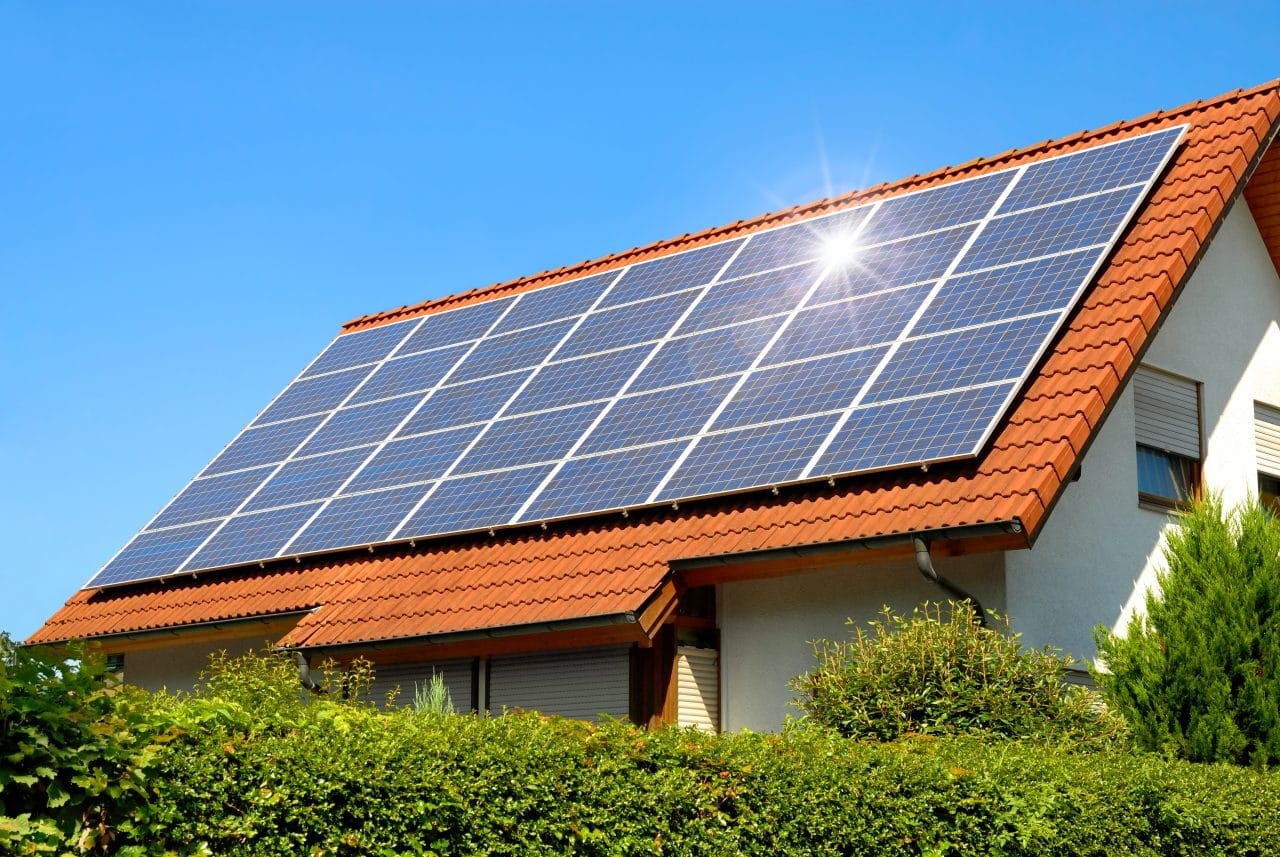
With growing interest in renewable energy and rising household electricity expenses, solar power has become an attractive investment for UK homeowners. Installing solar panels can help reduce electricity bills, improve energy efficiency, and support a more sustainable lifestyle.
However, the performance and reliability of a solar energy system depend heavily on the quality of its installation. Choosing the right solar installation company is therefore one of the most important decisions homeowners can make when switching to renewable energy.
A professional installer can guide you through system selection, property assessment, installation, and long-term maintenance, helping ensure your investment delivers lasting benefits.
Why Choosing a Professional Solar Installation Company Matters
Installing solar panels requires more than simply attaching equipment to a roof. A successful solar installation involves technical planning, electrical knowledge, structural considerations, and compliance with relevant UK regulations.
An experienced installation company can evaluate your property's energy requirements and recommend a system that matches your household consumption.
Professional installation also helps reduce the likelihood of problems such as incorrect panel positioning, poor electrical connections, and avoidable system inefficiencies.
For homeowners planning to invest in renewable energy, working with a trusted solar installation company can make the transition to solar power more straightforward and manageable.
Key Factors to Consider When Selecting a Solar Installer
1. Industry Experience and Qualifications
Before selecting a solar installer, review its experience with residential solar energy systems.
Companies with relevant technical expertise are better equipped to assess different roof types, recommend appropriate equipment, and manage installation challenges.
UK homeowners should also check relevant certifications, including MCS certification where applicable, and confirm that electrical installation work will be completed by suitably qualified professionals.
2. Quality of Solar Panels and Equipment
The quality of solar panels, inverters, and mounting equipment affects system performance and reliability.
Reputable installers should explain the equipment they recommend, including expected performance, manufacturer warranties, and maintenance requirements.
Homeowners should compare equipment specifications rather than choosing a system based only on its initial price.
3. Transparent Pricing and Quotations
A reliable solar installation company should provide a detailed quotation before work begins.
The quotation should clearly describe the proposed system size, equipment, installation costs, projected energy generation, and applicable warranties.
Transparent pricing helps homeowners compare available options and understand the overall investment.
4. Customer Reviews and Reputation
Customer feedback can provide useful insights into an installer's professionalism, communication, and aftercare.
Look for independent reviews that discuss installation quality, punctuality, responsiveness, and the company's approach to resolving problems.
5. Warranty and Aftercare Support
Solar panels are designed for long-term use, so ongoing support is an important consideration.
Before signing an agreement, ask about manufacturer warranties, workmanship guarantees, monitoring assistance, and maintenance services.
Benefits of Hiring an Experienced Solar Installation Company
Improved Energy Efficiency
A professionally designed solar system considers roof orientation, shading, available space, and household electricity consumption.
These factors help determine the appropriate panel layout and system capacity to maximise useful electricity generation.
Potential Savings on Electricity Bills
Solar panels allow homeowners to generate electricity from daylight, reducing the amount purchased from their energy supplier.
Actual savings depend on household usage patterns, installation size, electricity tariffs, and system performance.
Reliable System Performance
Correct installation, commissioning, and monitoring help homeowners understand their system's performance and identify potential issues.
A reputable company should explain how to monitor energy generation and what to do if the system develops a fault.
Lower Environmental Impact
Solar panels generate renewable electricity without direct carbon emissions during operation.
By producing some of their own electricity, households can reduce their dependence on grid electricity and support the UK's transition towards cleaner energy.
Understanding the Solar Installation Process
Most residential solar installations follow a structured process.
Initial consultation: The installer discusses your electricity consumption, household requirements, and budget.
Property survey: A technical assessment determines whether the roof is suitable for solar panels.
System design: The installer recommends an appropriate system configuration and explains projected electricity generation.
Installation: Qualified technicians install the panels, inverter, mounting components, and electrical connections.
Testing and commissioning: The completed system is checked for safe operation and performance.
Customer handover: The homeowner receives relevant documentation, system operating instructions, and warranty information.
The duration of the project varies depending on system complexity, property characteristics, and any necessary approvals.
Should You Choose Solar Panels with Battery Storage?
Many UK homeowners are considering battery storage alongside traditional solar panel installations.
A solar battery stores some of the electricity generated during daylight hours for use later, potentially reducing the need to purchase electricity from the grid during the evening.
However, battery storage increases installation costs. Its financial value depends on electricity consumption, energy tariffs, battery capacity, and usage patterns.
An experienced installer can help homeowners understand whether adding battery storage is suitable for their property.
Questions to Ask Before Hiring a Solar Installation Company
Before choosing an installer, homeowners should seek clear answers to several important questions:
-
What relevant certifications and qualifications does the company hold?
-
Which solar panel and inverter brands are recommended?
-
How much electricity is the proposed system expected to generate?
-
What is included in the installation quotation?
-
What warranties and aftercare services are provided?
-
Will any planning permission or grid connection approval be required?
Asking these questions makes it easier to compare companies and choose an installation package that offers suitable long-term value.
Final Thoughts
Selecting the right solar installation company is essential for homeowners looking to invest confidently in renewable energy.
From choosing appropriate equipment to ensuring safe installation and dependable aftercare, experienced professionals play an important role in the success of a solar energy project.
Rather than focusing solely on upfront costs, homeowners should prioritise installation quality, transparent quotations, relevant qualifications, and long-term support.
With careful planning and the right installation partner, solar energy can become a valuable investment that supports lower household electricity costs and a more sustainable future.

 English
 Arabic
 French
 Spanish
 Portuguese
 Deutsch
 Turkish
 Dutch
 Italiano
 Russian
 Romaian
 Greek
