
Condo for Lease in BGC: Documenting Unit Condition With Photos Before Move-In
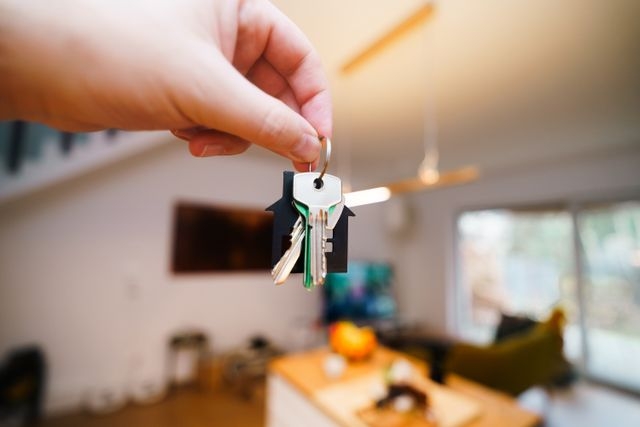
Moving into a rental property involves more than signing a lease and receiving the keys. You also need a clear record of the unit's condition before bringing in your belongings. When securing a Condo for Lease in BGC, taking photos before move-in helps document existing damage, missing fixtures, and signs of wear. These records provide useful evidence if questions arise during your tenancy or when you return the property. A systematic inspection protects your interests and helps establish clear expectations between you and your landlord.
Why Photographing the Unit Before Move-In Matters
Establishing a Record of Existing Damage
Photographs provide a visual record of the property's condition at the beginning of your lease. Scratched flooring, chipped tiles, stained walls, and damaged cabinet doors might already exist before you occupy the unit. Without clear documentation, disagreements might arise over whether these issues occurred during your tenancy. Photographing each affected area and sharing the images with your landlord creates a reference for identifying pre-existing damage during the final inspection.
Supporting Security Deposit Discussions
Landlords often inspect rental units before returning security deposits. The lease agreement typically outlines the tenant's responsibilities for damage, cleaning, and property maintenance, subject to applicable law. Move-in photographs help distinguish documented existing defects from damage reported later, although images alone do not determine responsibility. Keeping dated records alongside written communications and inspection forms gives both parties a clearer basis for discussing deductions or repair costs when the tenancy ends.
How to Photograph Each Area of the Unit
Capture Every Room From Multiple Angles
Start your inspection at the entrance and photograph each room systematically. Take wide shots that show the overall condition, then capture closer images of damaged surfaces, fixtures, and other details requiring attention. Include bedrooms, the living area, kitchen, bathrooms, balconies, and utility spaces, if applicable. Following the same route throughout the property helps prevent missed areas and makes it easier to organize your photographs for future reference.
Document Walls, Floors, and Ceilings
Inspect walls for scratches, holes, peeling paint, water stains, and discoloration. Photograph flooring defects such as chipped tiles, loose planks, deep scratches, or damaged grout, making sure the affected areas remain clearly visible. Check ceilings for cracks, stains, and signs of possible moisture intrusion, particularly near windows and bathrooms. Take both close-up images and wider photographs showing where each defect appears so the landlord can identify its location without confusion.
Photograph Furniture, Appliances, and Fixtures
If the rental unit includes furniture or appliances, record their condition before using them. Photograph tables, chairs, beds, sofas, refrigerators, washing machines, air-conditioning units, and other listed inclusions from useful angles. Capture existing scratches, dents, missing components, and visible signs of wear. When possible, photograph appliance labels and model numbers, then test accessible equipment with the landlord's permission and document any malfunction through images or written notes.
Recording Plumbing, Electrical, and Safety Concerns
Check Bathrooms and Kitchen Fixtures
Bathrooms and kitchens contain several fixtures that deserve close inspection. Photograph sinks, faucets, showerheads, toilets, drains, kitchen counters, and cabinet interiors to document visible damage or staining. With permission, run the taps and flush the toilet to check for leaks, slow drainage, or other problems that photographs alone will not reveal. Record any concerns in writing and notify the landlord promptly so necessary repairs can be assessed before regular use.
Document Electrical Fixtures and Air-Conditioning Units
Inspect visible electrical outlets, switches, lighting fixtures, and air-conditioning units for signs of damage. Photograph cracked switch plates, loose fixtures, stained areas around air-conditioning units, or visible water leaks. Avoid opening electrical panels or handling exposed wires during the inspection. If an outlet, appliance, or cooling system appears unsafe or fails to operate, report the issue to the landlord and request an appropriate inspection by a qualified professional.
Organizing Photos for Reliable Documentation
Keep Original Files and Record the Date
Preserve the original image files whenever possible because they retain useful information about when the photographs were taken. Enable automatic date and time settings on your phone, and avoid editing the original images in ways that remove relevant details. If you need to annotate a defect, create a separate copy and retain the unedited version. This approach keeps your records organized and helps you explain when and where you documented each issue.
Use Folders and Descriptive File Names
Create a dedicated folder for your move-in inspection photographs. Organize images by room, such as the bedroom, kitchen, bathroom, and living area, so you can retrieve specific records quickly. Use descriptive file names or captions to identify defects, such as "kitchen cabinet scratch" or "bedroom wall stain." Back up the files to a secure storage location and keep a separate copy of important inspection documents for easier access throughout your tenancy.
Share the Documentation With Your Landlord
Prepare a Written Condition Report
Photos become more useful when accompanied by a written inspection report. List each defect, identify its location, describe its visible condition, and refer to the corresponding photograph. Include observations about missing items, malfunctioning equipment, and incomplete repairs. Send the report to your landlord or property manager and request written acknowledgment that they received it, especially for issues that might affect your security deposit or the unit's habitability.
Request Confirmation Before Settling In
Review your findings with the landlord before completing the move-in process. Ask which reported defects require repairs, who will arrange the work, and when the repairs should be completed. Keep the responses in writing and retain copies of relevant messages, inspection forms, and agreements. If the landlord provides a separate inventory or condition checklist, compare it with your photographs and request corrections when the documents do not accurately reflect the property's condition.
Key Takeaway
Photographing a rental unit before moving in helps establish a clear record of existing damage, missing items, and visible defects. When choosing a Condo for Lease in BGC, inspect every room, document appliances and fixtures, organize original images, and share a written condition report with your landlord. Keep copies of all records and written acknowledgments throughout your tenancy. These practical steps support transparent communication, help resolve disputes over property condition, and provide a reliable reference when you prepare to move out.

 English
 Arabic
 Spanish
 Portuguese
 Deutsch
 Turkish
 Dutch
 Italiano
 Russian
 Romaian
 Portuguese (Brazil)
 Greek
