
Carbide Burr Applications in Workshops and Industrial Manufacturing
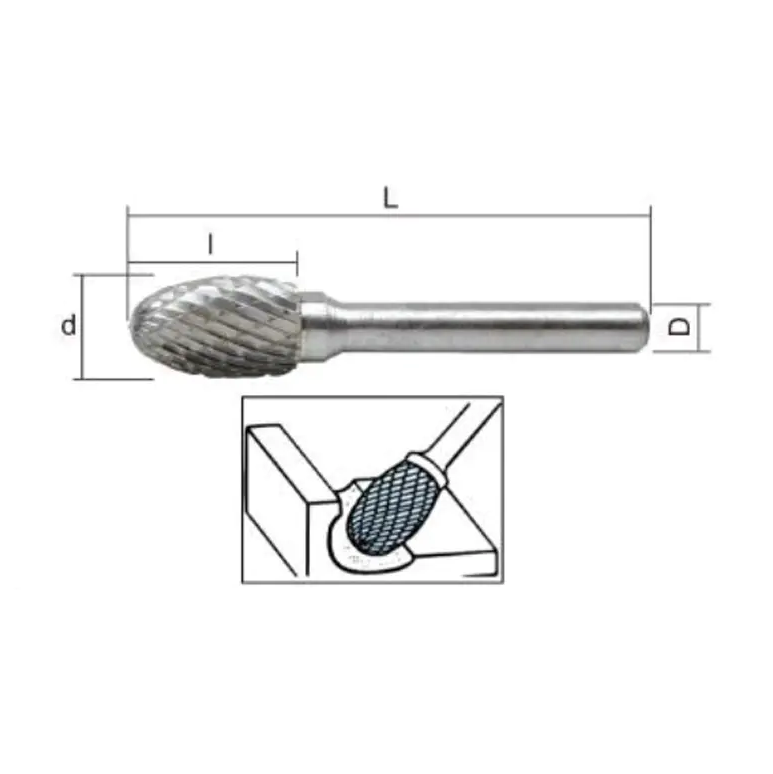
A Carbide Burr is a rotary cutting tool used to remove excess material, smooth rough edges, shape surfaces, and refine openings in metal components. It is commonly used in metal fabrication, automotive repair, machinery maintenance, and mold processing. Made from cemented carbide, this tool can handle demanding cutting tasks when paired with a suitable rotary tool or die grinder. For workshops handling different materials and component shapes, selecting the right burr helps maintain consistent working results and reduces unnecessary tool changes.
Material compatibility is an important consideration when selecting a carbide burr. Steel, stainless steel, cast iron, and non-ferrous metals may require different cutting approaches. The hardness of the workpiece, the amount of material to remove, and the required surface finish all affect tool selection. A suitable cutting head allows operators to work more efficiently while keeping the process under control.
Carbide burrs are available in several head shapes, including cylindrical, ball-shaped, oval, pointed, and flame-shaped designs. Cylindrical burrs are useful for flat surfaces and straight edges, while ball-shaped versions help with curved areas and rounded cavities. Flame-shaped burrs can reach narrow grooves and irregular contours. Choosing the correct geometry helps operators access the working area without unnecessary contact with nearby surfaces.
Tooth design also affects cutting behavior. Single-cut burrs are often used for general shaping and produce chips that are relatively easy to manage on suitable materials. Double-cut burrs have crossing flutes that support controlled material removal and can provide a smoother working feel in many applications. The appropriate option depends on the workpiece, machine speed, and operator experience.
During operation, a stable grip and suitable rotational speed are essential. Excessive pressure may generate heat, wear the cutting edges, or damage the workpiece. Operators should allow the burr to cut without forcing it through the material. Safety glasses, appropriate protective equipment, and secure workpiece clamping are also necessary.
For distributors, tool suppliers, and industrial users, consistent dimensions and clear product specifications simplify product selection. Shank diameter, head diameter, cutting length, overall length, tooth pattern, and material compatibility should be confirmed before use. Packaging options and available head profiles may also matter when building a product range for different customer groups.
A properly selected Carbide Burr supports routine deburring, precision shaping, and surface finishing across many workshop applications. Understanding the relationship between head geometry, tooth design, workpiece material, and operating conditions helps users select a tool that fits their production requirements.
https://www.zycementedcarbides.com/product/carbide-burrs-series/
 Turkish
 English
 Arabic
 French
 Spanish
 Portuguese
 Deutsch
 Dutch
 Italiano
 Russian
 Romaian
 Portuguese (Brazil)
 Greek
